Blog
2026/06/30 10:17
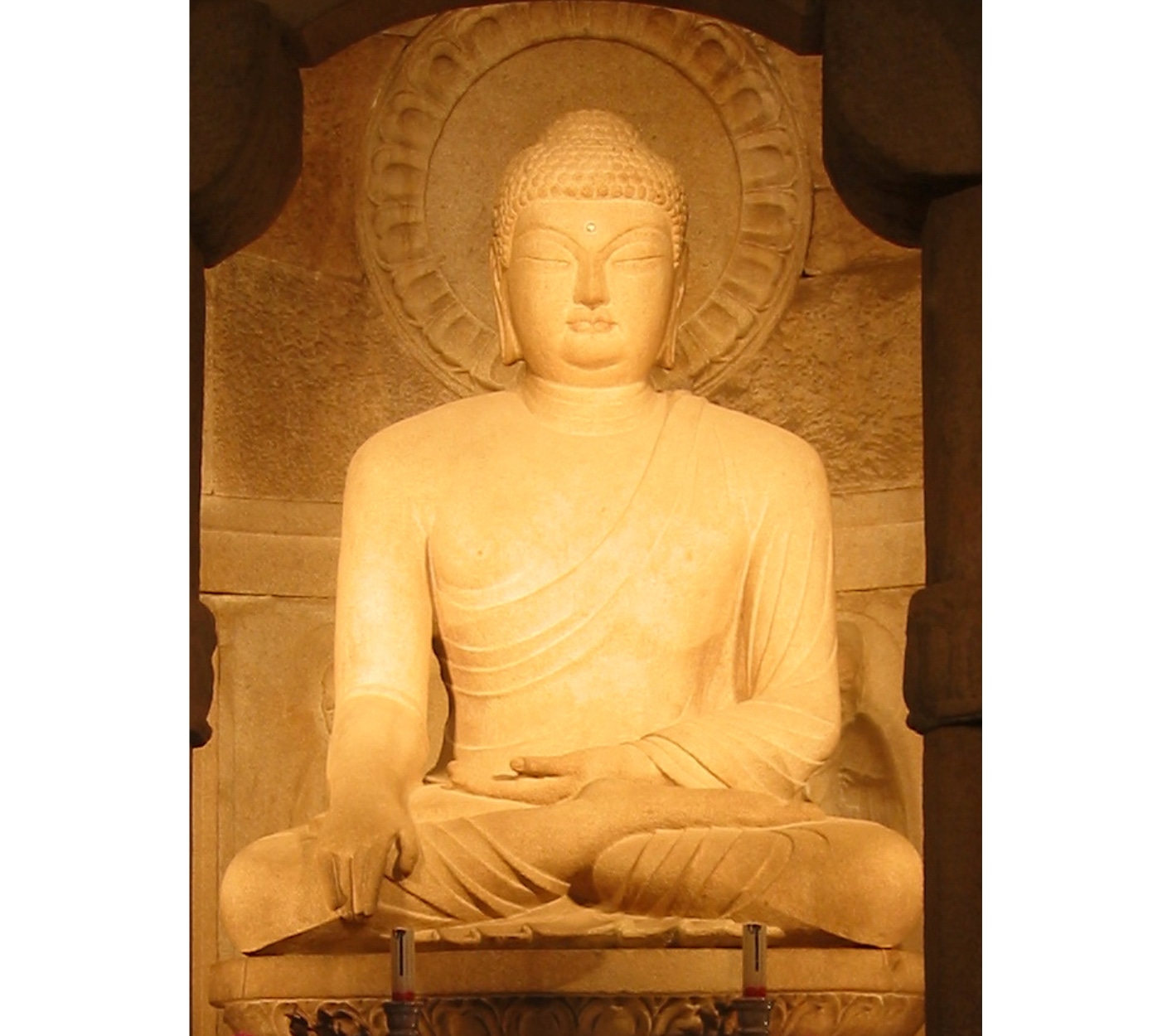
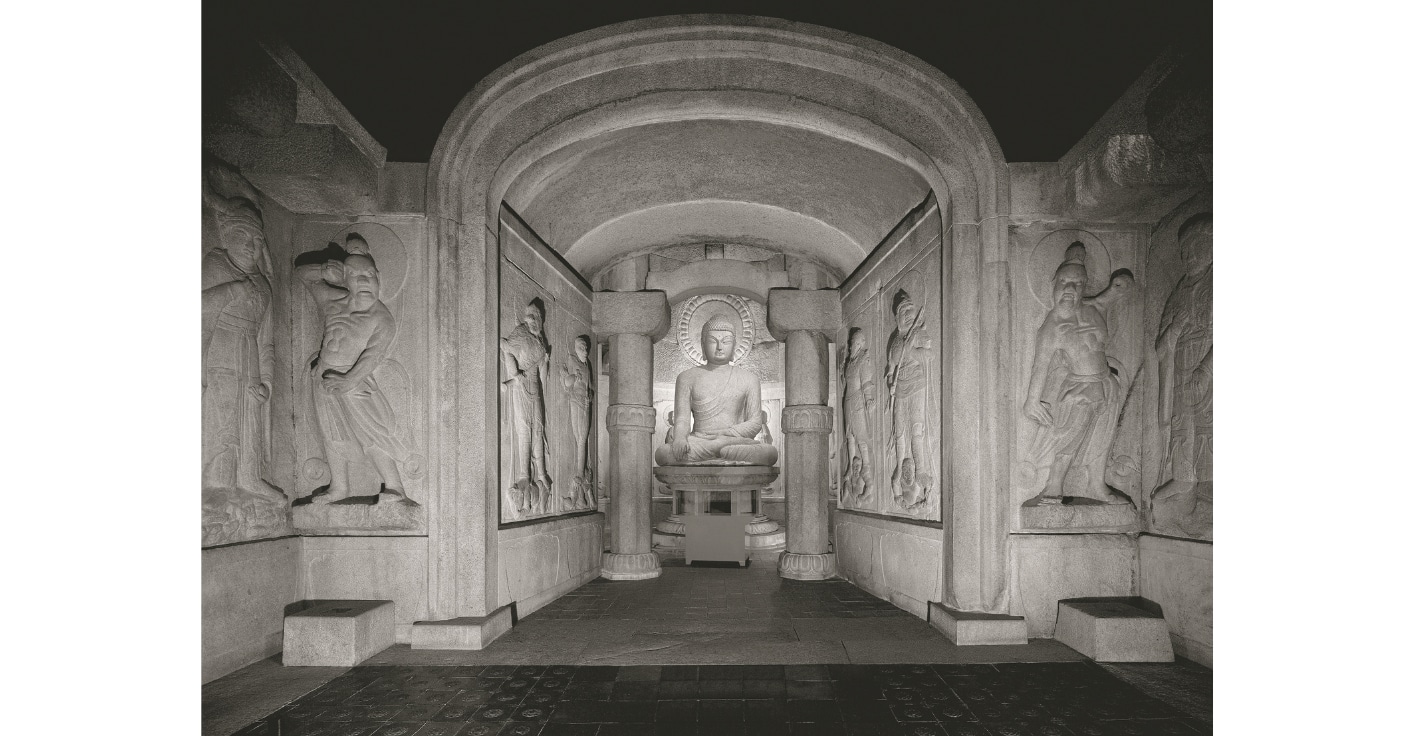
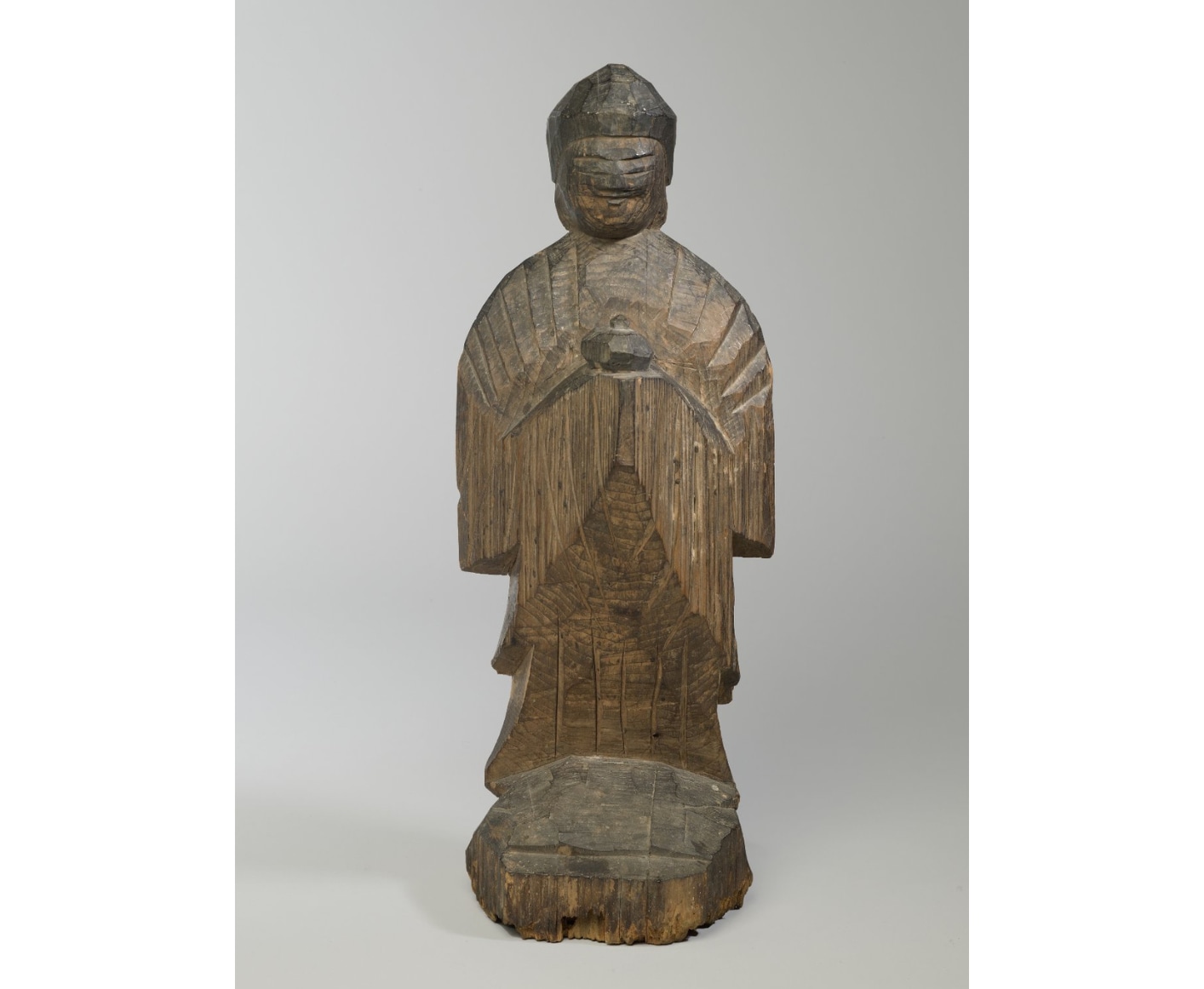
There are Buddhist sculptures that leave a lasting impression on those who encounter them. The Seated Shakyamuni Buddha of Seokguram Grotto in Gyeongju, South Korea, is one of them. Created more than 1,200 years ago, this Buddha is admired for its serene expression and beautifully balanced proportions. It is widely regarded as one of the finest masterpieces of Buddhist sculpture in East Asia. The Japanese woodcarver Tessō Mori was among those deeply moved by this remarkable sculpture. The Seated Shakyamuni Buddha at Seokguram Grotto, Gyeongju, South Korea. Richardfabi / CC BY-SA 3.0 After visiting Korea, the memory of Seokguram remained with him for many years and eventually took shape as one of his own wooden sculptures. Seokguram Grotto is a stone temple located on Mount Toham, near Gyeongju in southeastern Korea. Constructed during the Unified Silla period in the eighth century, it was inscribed together with nearby Bulguksa Temple as a UNESCO World Heritage Site in 1995. At the center of the circular stone chamber sits a granite image of Shakyamuni Buddha, approximately 3.45 meters (11.3 feet) high. Interior of Seokguram Grotto. The Buddha is placed at the center of the circular stone chamber. Source: Cultural Heritage Administration, Author: Seok-Hong, Han / KOGL Type 1 The sculpture is believed to represent the moment of the Buddha's enlightenment beneath the Bodhi Tree. Its balanced proportions. Its gentle expression. The naturally flowing folds of the robe. Its quiet presence. These qualities have continued to inspire visitors for more than twelve centuries. The significance of Seokguram lies not only in the Buddha itself. The entire grotto was designed around the seated Buddha. It is believed that, when the temple was first completed, the rising sun entered through the passageway and illuminated the urna, the symbolic mark on the Buddha's forehead. The Buddha, the architecture, and natural light were intended to form a single harmonious space. This integration of sculpture and architecture is one of the reasons Seokguram continues to be admired around the world. When Tessō Mori visited Korea, the Seated Buddha of Seokguram made a lasting impression on him. According to family recollections, he later carved approximately three seated Shakyamuni Buddhas inspired by this masterpiece. Seated Shakyamuni Buddha by Tessō Mori. Inspired by the Buddha of Seokguram and hand-carved from Japanese camphor wood. The balanced proportions and serene expression of the Seokguram Buddha appear to have particularly fascinated him. At the same time, Mori's sculpture retains the bold chisel marks that characterize his own carving style, giving it a simple yet powerful presence. Another influence can also be seen. Throughout his life, Mori greatly admired the Buddhist sculptures of Enkū, the seventeenth-century Japanese monk and sculptor. A Buddhist sculpture by Enkū (1632–1695). Mori admired Enkū's expressive carving style throughout his life. The inspiration he received from Seokguram and his respect for Enkū come together naturally in this work. According to family recollections, Tessō Mori carved approximately three seated Buddhas based on this design. One was donated to a fishing village after the Great East Japan Earthquake, where Mori had volunteered. He often said, "I hope the fishermen returning from work, and the children, will simply pat its head whenever they wish." He later smiled and added, "It was the first sculpture I ever carved for someone other than myself." Another sculpture was purchased by a collector. The collector explained that he wished to place the Buddha before him during meditation. For him, the sculpture was not simply a work of art, but a quiet companion in daily practice. The sculpture presented here is another example from this small group. Throughout his life, Tessō Mori carved many Buddhist and Shinto figures. Among them, this seated Shakyamuni Buddha reflects his admiration for the Buddha of Seokguram, which he encountered during his journey to Korea. To encounter a great masterpiece, to be deeply moved by it, and to carve it with one's own hands— Perhaps this is a feeling shared by many traditional woodcarvers. That quiet and sincere admiration can still be felt in this sculpture today. Original Seated Shakyamuni Buddha by Tessō Mori. Hand-carved from Japanese camphor wood. The sculpture introduced in this article is a hand-carved work by Tessō Mori, created from Japanese camphor wood. To learn more about the artwork, including its dimensions, history, and current availability, please visit the product page below. → View the Original Sculpture • Why Does Every Buddha Look Different? • The Birth Buddha -Why Japanese People Celebrate the Buddha's Birthday Every Spring • Why Is Japanese Wood Sculpture So Valuable? • Keepers of a Living Tradition
The Buddha of Seokguram
The Korean Buddha That Inspired Tessō Mori
A Stone Sanctuary in the Mountains
A Space Where Architecture and Sculpture Become One
The Buddha That Captivated Tessō Mori

Courtesy of the Brooklyn Museum / Public Domain Three Sculptures, Three Different Journeys
An Encounter That Became a Sculpture
About the Sculpture

Related Reading