Blog
2026/06/10 17:04
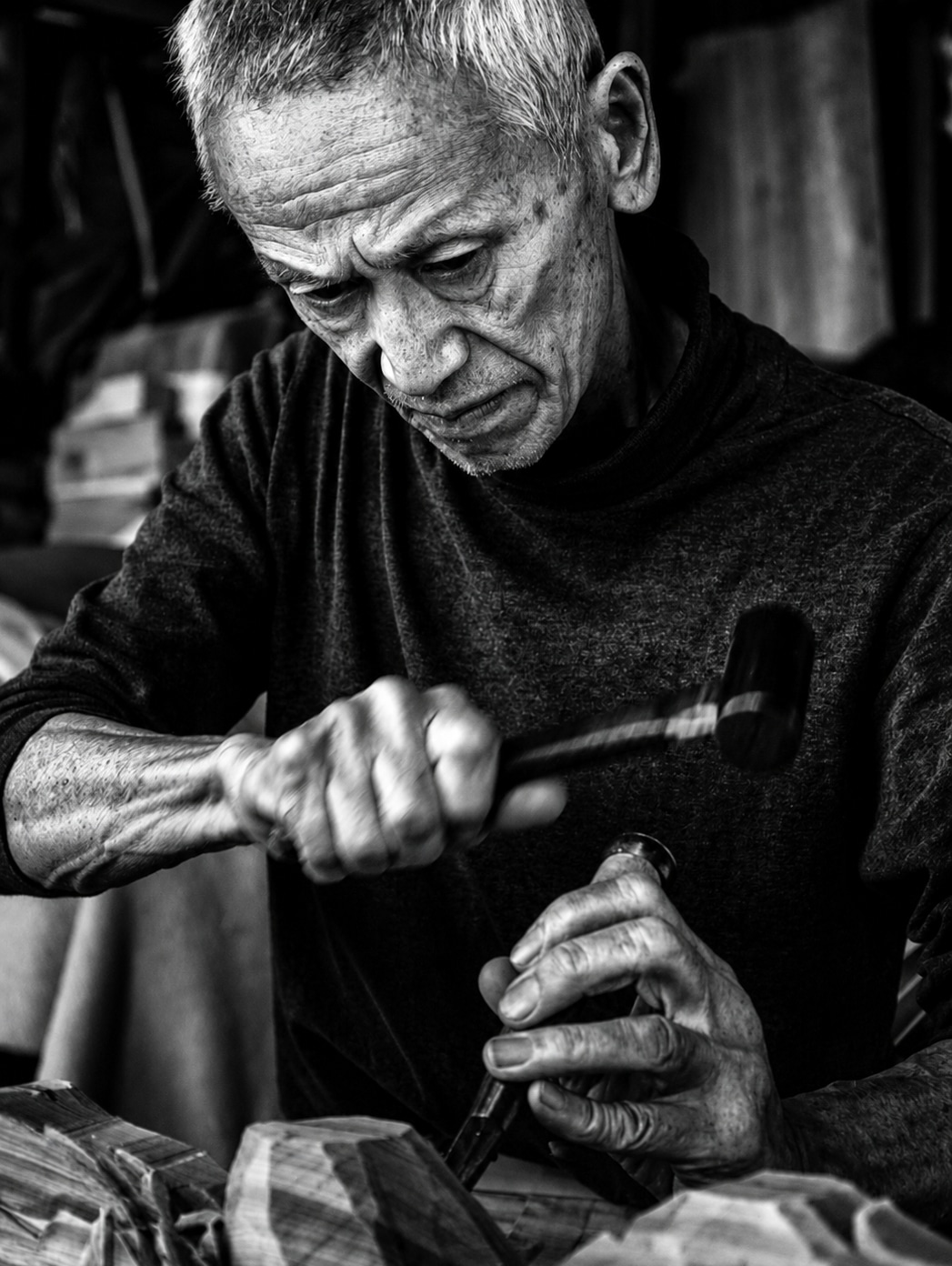
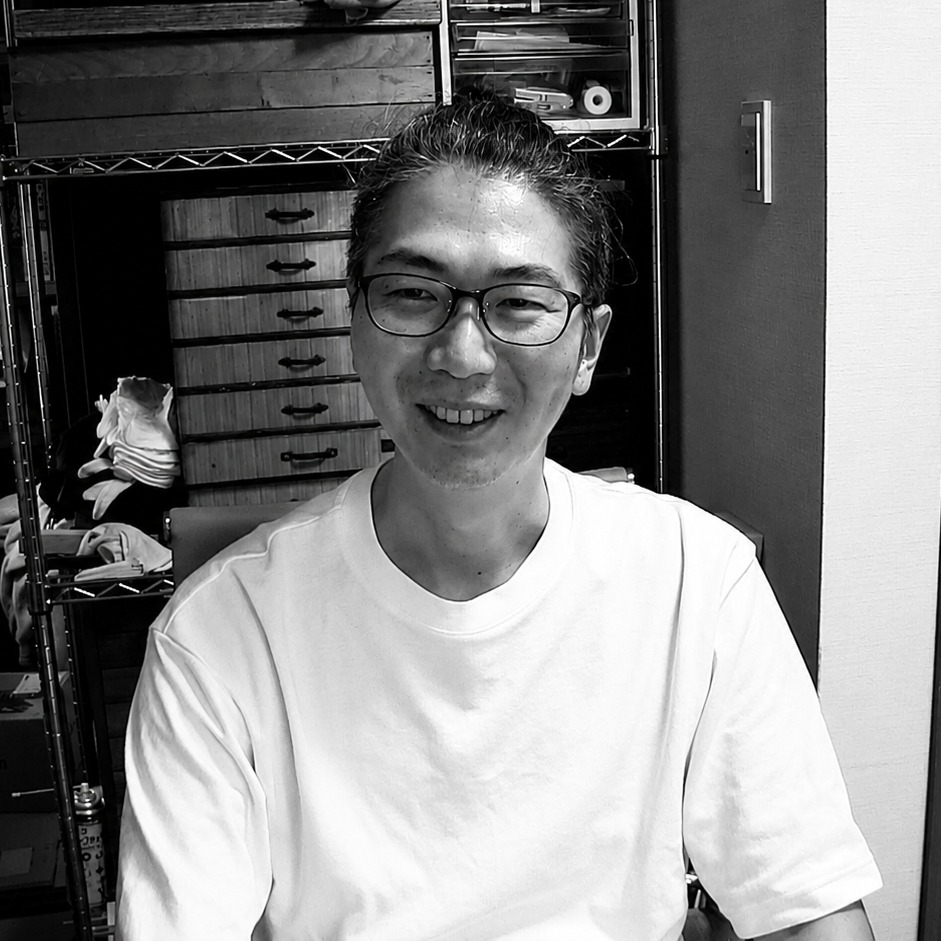
KEEPERS OF A LIVING TRADITION The Artisans of Mori Carving Studio Located in Kaminyū, Maibara, Shiga Prefecture—one of Japan's historic woodcarving villages—Mori Carving Studio has spent more than half a century transforming natural timber into sacred sculptures and refined relief artworks. Across four generations, the Mori family has preserved techniques passed down through centuries of Japanese woodcarving while continuing to create works that resonate with contemporary collectors around the world. Among its artisans are Government-Certified Traditional Craftsmen whose dedication has helped sustain this living tradition. Rooted in a region long shaped by its relationship with wood, every piece reflects a quiet dialogue between material, craftsmanship, and heritage. ──────────────── Founder of the Mori Woodcarving Lineage Born in Kaminyū, one of Japan's historic woodcarving villages, Hideo Mori established the artistic foundations upon which Mori Carving Studio still stands today. After completing his apprenticeship, he further refined his skills in Kyoto, mastering the city's sophisticated carving traditions and earning widespread recognition for his extraordinary lion sculptures. His craftsmanship became so highly regarded that he was known by the nickname "Shishi no Mori-Hide" — Mori-Hide, Master of Lions. Despite losing part of a finger in childhood, Hideo developed a distinctive carving style as a left-handed artisan, demonstrating the determination and artistic vision that would define future generations of the Mori family. His work ranged from Buddhist altars and temple carvings to large-scale architectural commissions, including works created for Dalian Shrine and ceremonial drums associated with the Imperial Household. Today, the spirit of craftsmanship he established continues through four generations of Mori woodcarvers. ▶ Read More ──────────────── ARTISAN PROFILE Nozomu Mori Grand Master Artisan Born in 1936, Nozomu Mori is the senior master of Mori Carving Studio and one of the most experienced woodcarvers in the region. Now at the age of ninety, he continues to work actively in the studio. Apprenticed under his father, Hideo Mori, at the age of fifteen, he has devoted approximately seventy-five years of his life to the art of woodcarving. Throughout his long career, Nozomu has created an extraordinary range of works, from sacred Buddhist sculptures and shrine carvings to large-scale architectural ornamentation. His remarkable versatility and mastery of the craft have earned him deep respect among both clients and fellow artisans. In 1977, he participated in the restoration of the sacred Dadaiko ritual drums of Kasuga Taisha, a nationally designated Important Cultural Property of Japan. This project remains one of the defining milestones of his distinguished career. Today, he continues to carve in the studio while passing on the techniques, knowledge, and values cultivated through a lifetime dedicated to the craft. His presence serves as a living link between generations, preserving traditions that have been handed down within the Mori family for more than a century. "Never turn down a job; always find a way to make it beautiful." — Nozomu Mori ──────────────── ARTISAN PROFILE Tessō Mori Founder & The Enduring Family Legacy (1946–2024) Tessō Mori devoted more than six decades of his life to the art of woodcarving and founded Mori Carving Studio in 1971. While firmly rooted in the traditions of Japanese temple woodcarving, he drew inspiration from modern Western art, developing a distinctive style that united traditional craftsmanship with a free artistic spirit. In 2016, he carved the symbolic Dragon Head (Ryūtō) for the Ōfune-hoko float of Kyoto's renowned Gion Festival. In recognition of this achievement and his lifelong contribution to the craft, he was honored with the succession of the historic sculptor name "Shinnojo Kuyama," a prestigious title passed down through generations of distinguished Kyoto carvers. Beyond Buddhist art, Tessō Mori also held a deep interest in Christian art and spirituality. His exploration of both Eastern and Western traditions inspired works such as icon reliefs and woodblock prints, reflecting a lifelong pursuit of universal spiritual expression. Although he passed away in 2024, his artistic vision and passion for creation continue to serve as the foundation of Mori Carving Studio. ──────────────── ARTISAN PROFILE Yasuichiro Mori The Successor Preserving Tradition for Future Generations Yasuichiro Mori is a third-generation artisan of Mori Carving Studio, carrying forward the traditions of Japanese woodcarving. After graduating from an art junior college, he initially pursued a career outside the family workshop. However, at the age of 21, he reconsidered his path and chose to dedicate himself to woodcarving, apprenticing under his uncle, Nozomu Mori, and his father, Tessō Mori. His work encompasses a wide range of disciplines, including Buddhist altar fittings, Buddhist sculptures, temple and shrine carvings, relief artworks, animal sculptures, and carved wooden signboards. Guided by the philosophy of "carving whatever is entrusted to him," he supports the studio through his versatility, technical skill, and unwavering craftsmanship. Though careful and traditionally minded by nature, Seiichiro approaches his work with quiet optimism and an uncompromising commitment to quality. In 2016, he assisted his father, Tessō Mori, in the creation of the symbolic Dragon Head (Ryūtō) for Kyoto's renowned Gion Festival Ōfune-hoko float, where he was entrusted with important finishing work. The experience, including spirited discussions with his father in pursuit of the finest possible result, became a defining chapter in his development as an artisan. Today, as a Certified Traditional Craftsman of the Hikone Buddhist Altar tradition, he continues to preserve and pass on the techniques, values, and spirit that have been handed down through generations. ──────────────── ARTISAN PROFILE Tetsuo Mori Master Artisan of Sacred Buddhist Sculpture Born in 1976, Tetsuo Mori has devoted more than three decades to the art of woodcarving. After beginning his apprenticeship under his father, Tessō Mori, and his uncle, Nozomu Mori, he further refined his understanding of form and perspective through formal drawing studies in Tokyo. Today, he works closely with Busshi (traditional sculptors of Buddhist statues), specializing in the intricate carving of Buddhist pedestals, halos (Kōhai), temple ornaments, and sacred architectural details. His work is distinguished by both technical precision and a deep respect for the spiritual traditions from which it emerges. Beyond craftsmanship, Tetsuo has maintained a daily meditation practice for more than twenty-five years and has also studied Qigong and professional coaching. For him, carving is a form of active meditation—an opportunity to bring stillness, mindfulness, and quiet dignity into wood. Today, he continues to create works that bridge traditional Buddhist artistry with the contemplative values that have guided his life. The works of the Mori family are more than carved wood. They embody generations of craftsmanship, spiritual reflection, and a living artistic heritage that continues to this day. Whether you wish to acquire an existing work or commission a piece created exclusively for your space, we invite you to discover the timeless beauty of Japanese woodcarving. Explore the Collection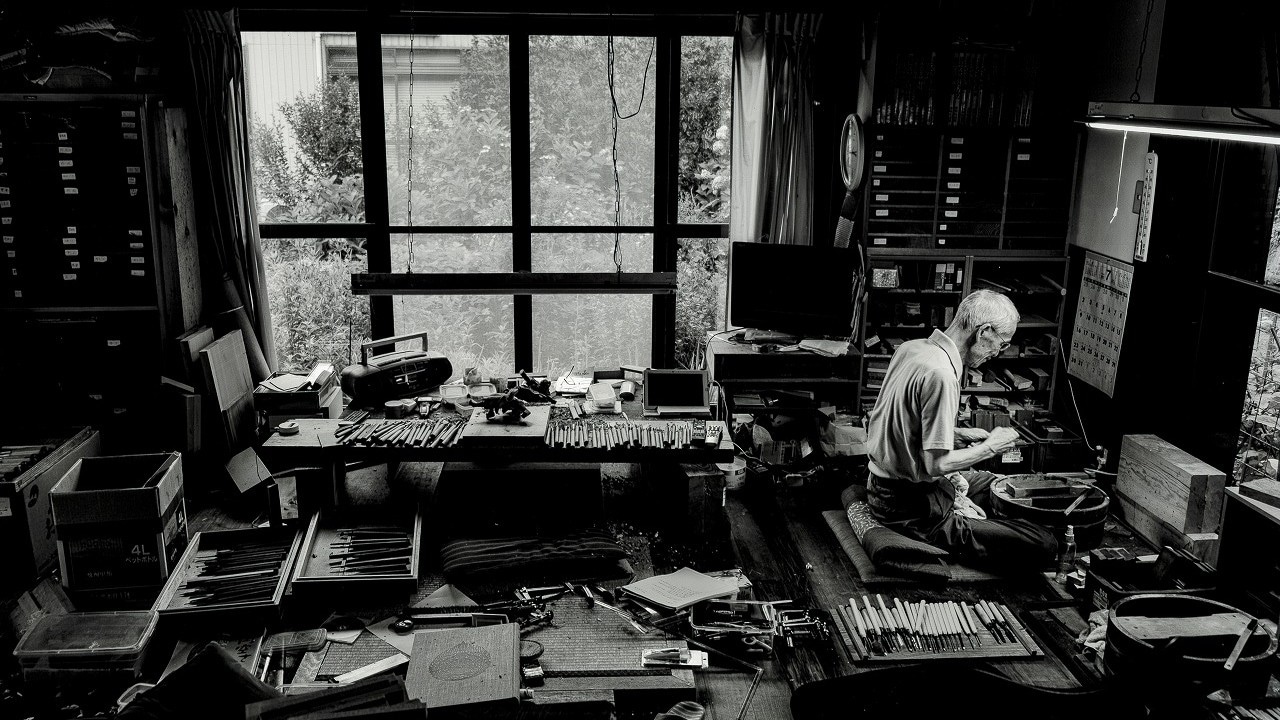

Hideo Mori (1897–1964)


────────────────