Blog
2026/06/23 13:54
• Shakyamuni Buddha, known simply as “the Buddha” throughout much of the world, was the historical founder of Buddhism. Born in ancient India more than 2,500 years ago, he is revered across Asia as a symbol of wisdom, compassion, and enlightenment. For centuries, artists in India, China, Korea, Japan, and many other regions have created countless images of the Buddha. Yet despite representing the same spiritual figure, these images often look remarkably different. Each culture developed its own artistic language, aesthetic ideals, and understanding of sacred beauty. As a result, the face of the Buddha has never been singular or fixed. The Buddha head presented here belongs to that long and evolving artistic tradition. Many people imagine Buddhist sculpture as timeless and unchanging. A Buddha is a Buddha. A Bodhisattva is a Bodhisattva. For more than a thousand years, Japanese sculptors have inherited highly refined traditions that define how sacred figures should be represented. As a result, many Japanese Buddhist images possess an extraordinary sense of balance, serenity, and idealized beauty. Yet this raises an interesting question. If the Buddha transcends time and place, why do Buddhist images look so different from one culture to another? From the Heian period onward, Japanese Buddhist sculpture gradually developed increasingly sophisticated aesthetic standards. Proportions became more refined, expressions more tranquil, and forms more idealized. This was not accidental. For generations, sculptors transmitted a shared understanding of what a Buddha, Bodhisattva, or enlightened being should look like. These sacred figures were not intended to be portraits of ordinary human beings. Rather, they were visual expressions of spiritual ideals. Because they represented enlightenment itself, they often moved away from individual personality and human emotion. Their purpose was not realism. Their purpose was transcendence. Although Buddhism shares common origins, the visual language of Buddhist sculpture changed dramatically as it spread across Asia. Ancient Indian Buddhas differ from those of China. Chinese Buddhist images differ from those of Korea. Korean sculptures differ from those of Japan. Each culture discovered its own way of expressing wisdom, compassion, and spiritual presence. Even within Japan, Buddhist sculpture has never been completely uniform. The gentle smiles of certain Nara-period images differ greatly from the more solemn expressions that became common in later centuries. Among the most famous examples is the so-called “Archaic Smile” found in early Buddhist sculpture. These subtle smiles convey a warmth and humanity rarely seen in later, more formalized works. They remind us that Buddhist art has always evolved. The Buddha has never had only one face. Seated Buddha at Seokguram Grotto, South Korea (UNESCO World Heritage Site) Photo by Richardfabi / CC BY-SA 3.0 Tessō Mori (1946–2024), founder of Mori Carving Studio and a government-certified traditional craftsman, devoted much of his life to the study of Buddhist sculpture. While deeply rooted in Japanese traditions, he was also fascinated by Buddhist art beyond Japan. Family members recall his particular admiration for Korean stone Buddhas. Many Korean Buddhist sculptures possess a distinctive character. Their expressions are often gentle, intimate, and deeply human. Rather than emphasizing perfect idealization, they frequently convey a quiet warmth that feels surprisingly close to everyday life. The exact model that inspired the Buddha head shown here is unknown. It may have been based on a specific sculpture that Tessō encountered years ago. Or it may have emerged from multiple influences accumulated throughout a lifetime of study. Today, only Tessō himself would know the answer. Yet when viewing this work, one senses that he may have discovered a form of beauty not commonly found in conventional Japanese Buddhist sculpture. Perhaps he saw a humanity within these older images that resonated with him as both a sculptor and an artist. The face is serene, but not distant. The eyes are calm, yet alive. The gentle curve of the mouth suggests neither solemn authority nor formal perfection. Instead, it conveys something more personal. Something human. The sculpture does not abandon traditional Buddhist ideals. Rather, it balances transcendence and humanity. The result is a face that feels approachable while remaining deeply spiritual. This quality distinguishes the work from many later Buddhist images whose beauty lies primarily in their idealized perfection. Here, there is a sense of presence. A suggestion of inner life. A reminder that enlightenment, while transcendent, is ultimately sought by human beings. Perhaps this is why the work continues to invite contemplation. It does not merely represent a religious figure. It encourages us to reflect on the many ways different cultures have imagined enlightenment itself. Created approximately ten years ago, this Buddha head was hand-carved by Tessō Mori from Japanese camphor wood. The original source image or sculpture that inspired the work remains unknown. What survives is not merely a reproduction of an earlier masterpiece, but a personal interpretation shaped by decades of study, craftsmanship, and artistic reflection. Today, the work stands as a reminder that Buddhist art is not a fixed tradition. It is a living conversation that has crossed centuries, cultures, and generations. And perhaps that conversation continues every time a viewer encounters a face such as this. The Buddha Head by Tessō Mori Discover the artwork and explore the enduring beauty of Buddhist sculpture through the vision of one of Japan’s traditional master woodcarvers. Tessō Mori's fascination with sculpted heads can also be seen in another work inspired by the famous Contemplative Bodhisattva of Chūgū-ji Temple. While the present article explores how Buddhist images differ across cultures and traditions, the article below examines a different question: Why have Buddha heads themselves been admired as works of art for centuries? Read more: •The Art of Appreciating Buddha Heads •Why Is Japanese Wood Sculpture So Valuable? •Keepers of a Living TraditionWhy Does Every Buddha Look Different?
The Human Face of Enlightenment Across Asia
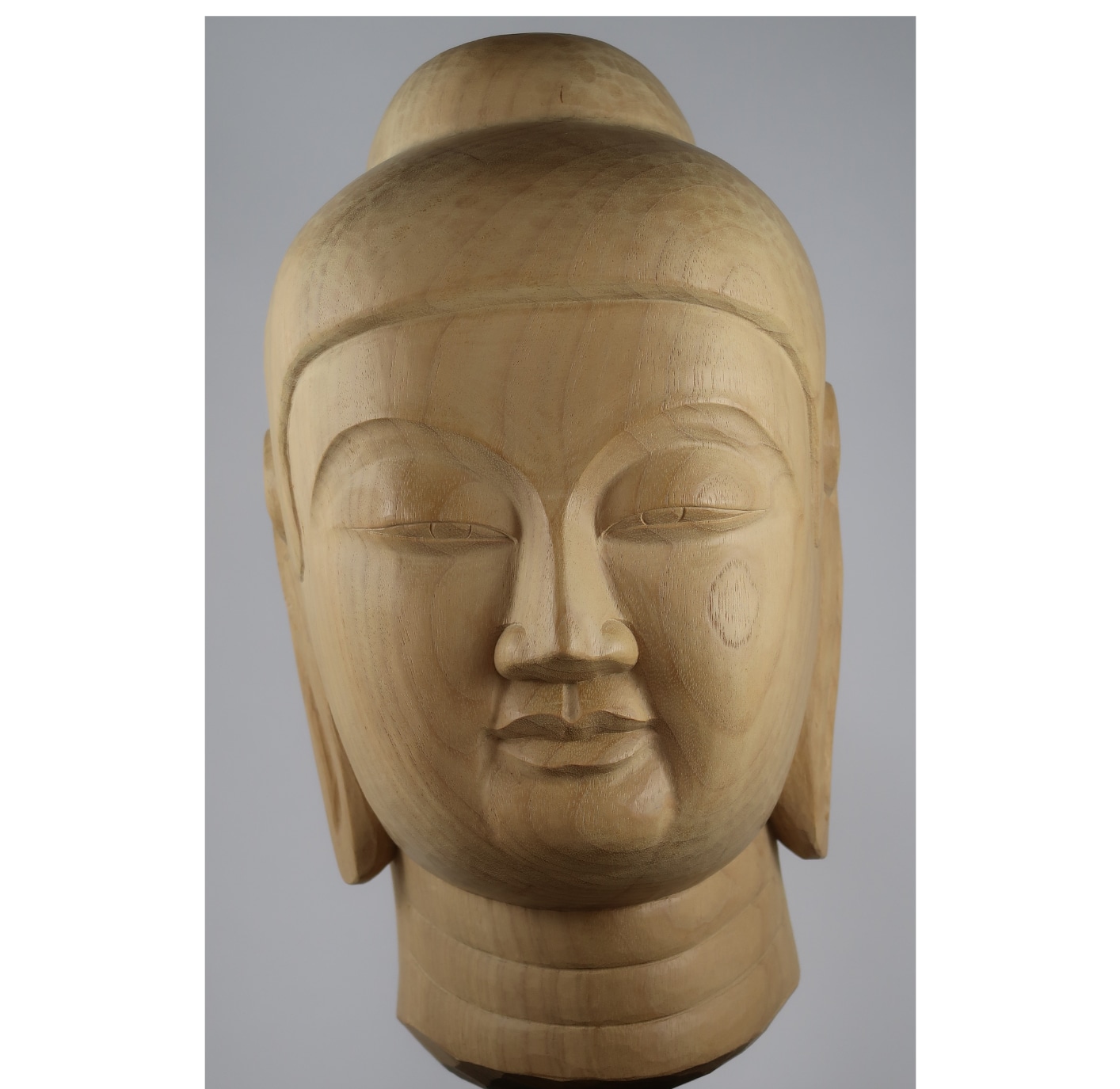
Buddha Head by Tessō Mori (c. 2015), hand-carved in Japanese camphor ood.
Who Was Shakyamuni Buddha?

Classical Japanese Buddhist sculpture developed highly refined ideals of balance, serenity, and spiritual perfection.
The Beauty of Tradition
Yet Buddhism Never Had a Single Face
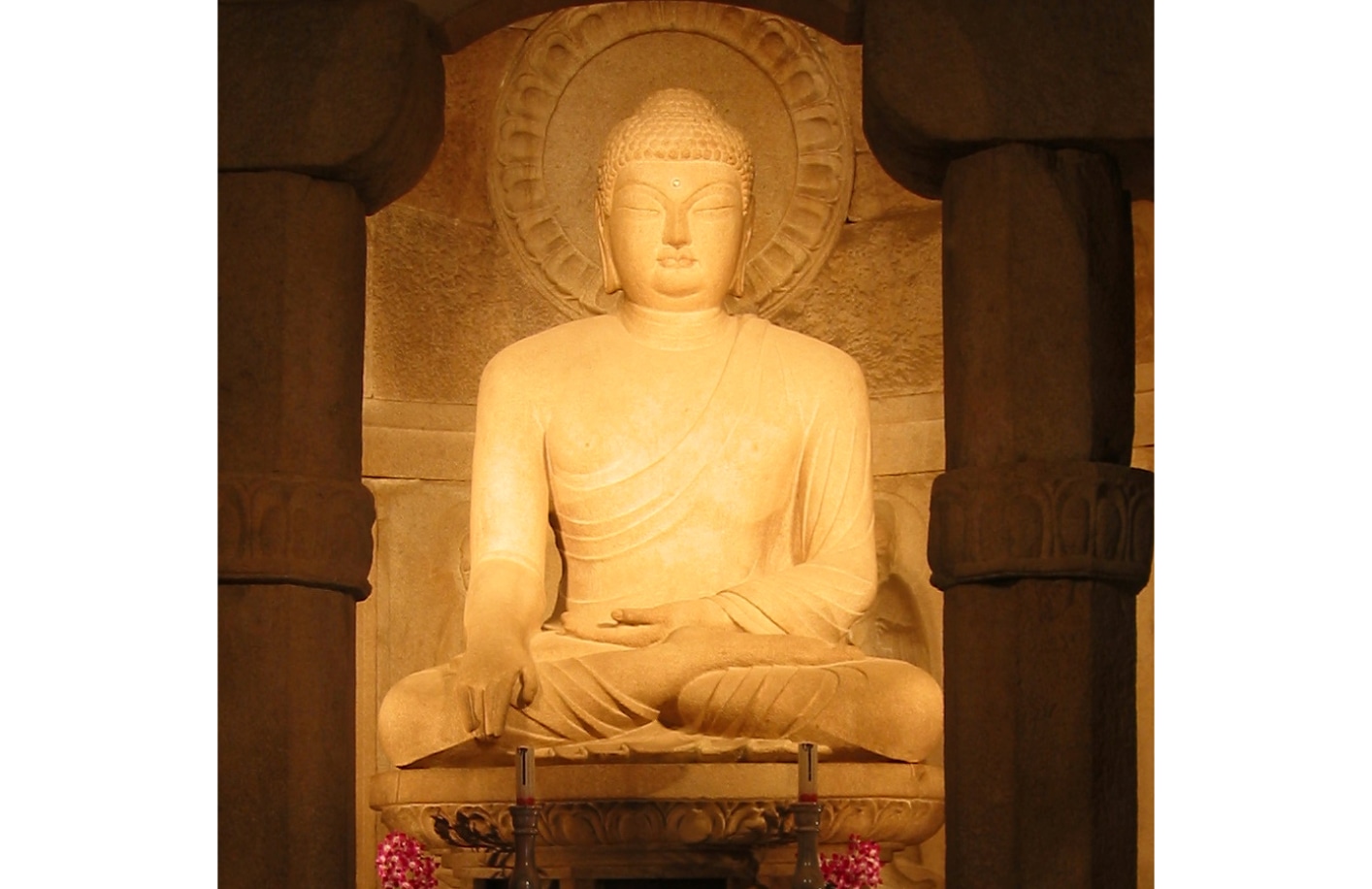
The Influence of Korean Buddhist Sculpture

Early Buddhist sculptures often display a subtle smile known as the “Archaic Smile,” conveying warmth and humanity.
A Buddha with Quiet Humanity
The Buddha Head by Tessō Mori
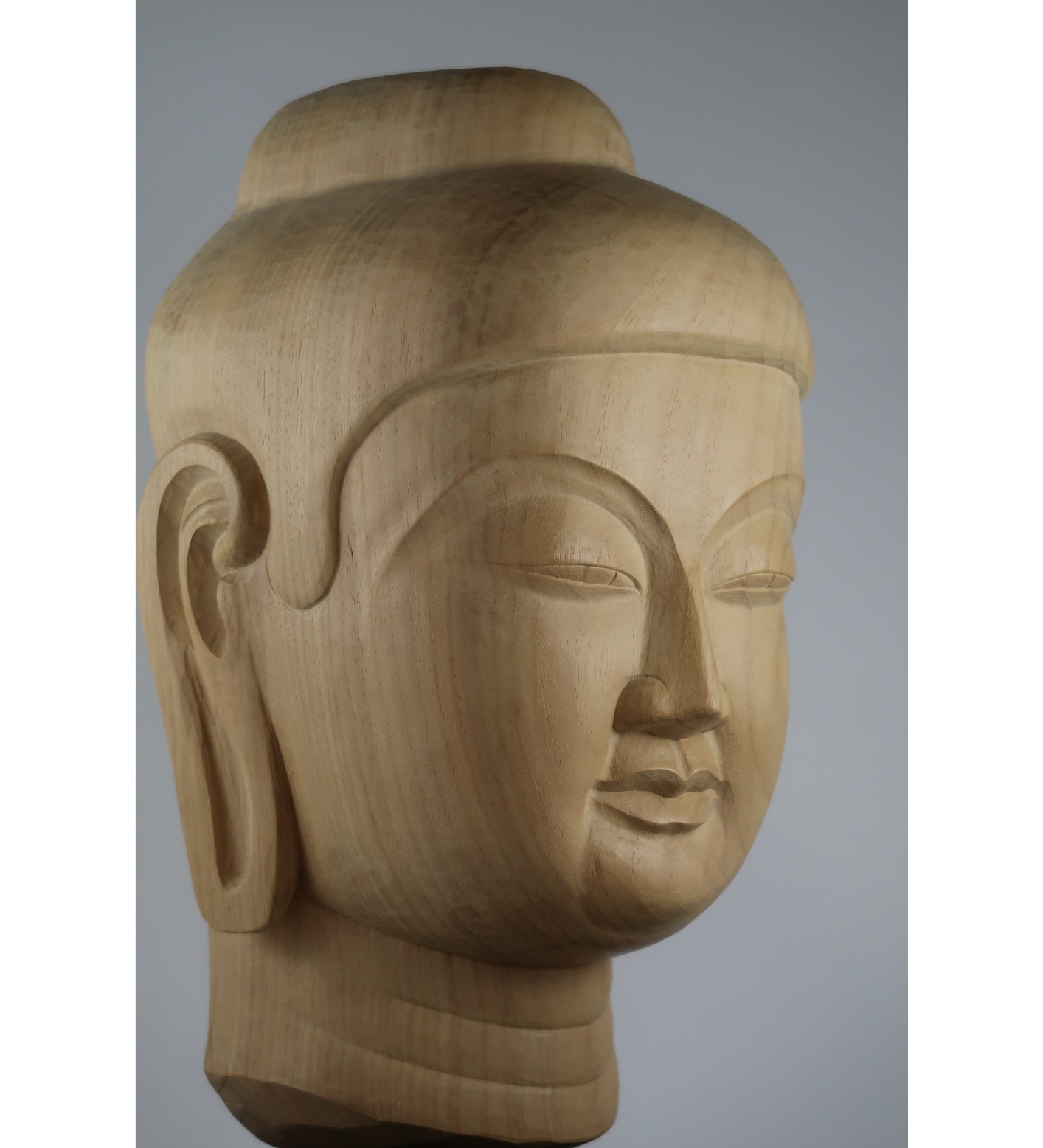
The Buddha Head by Tessō Mori. A personal interpretation shaped by decades of study and craftsmanship.
View the Artwork
Hand-carved in Japanese camphor wood
Created circa 2015Related Reading
• The Chūgū-ji Contemplative Bodhisattva and the “Eternal Smile”