Blog
2026/07/08 17:49
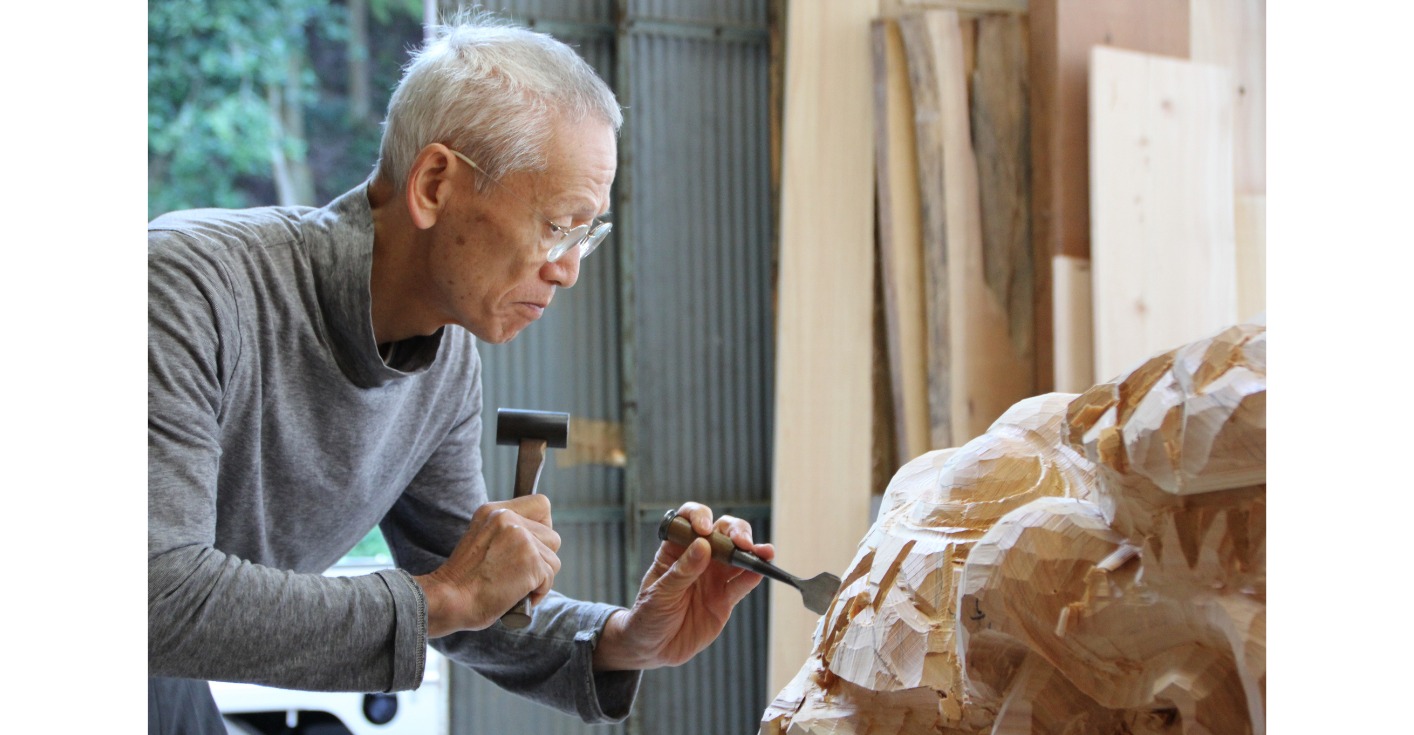
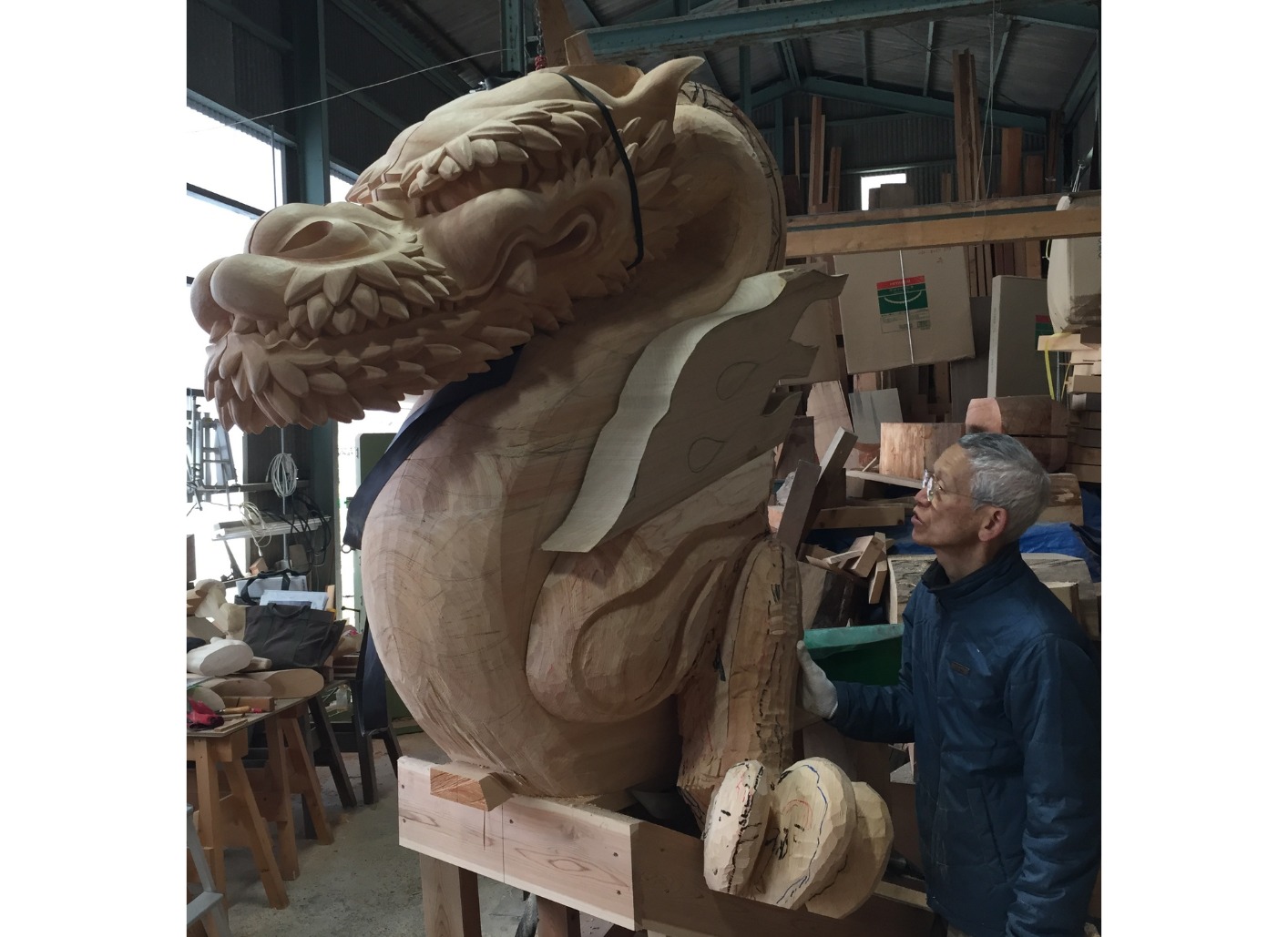
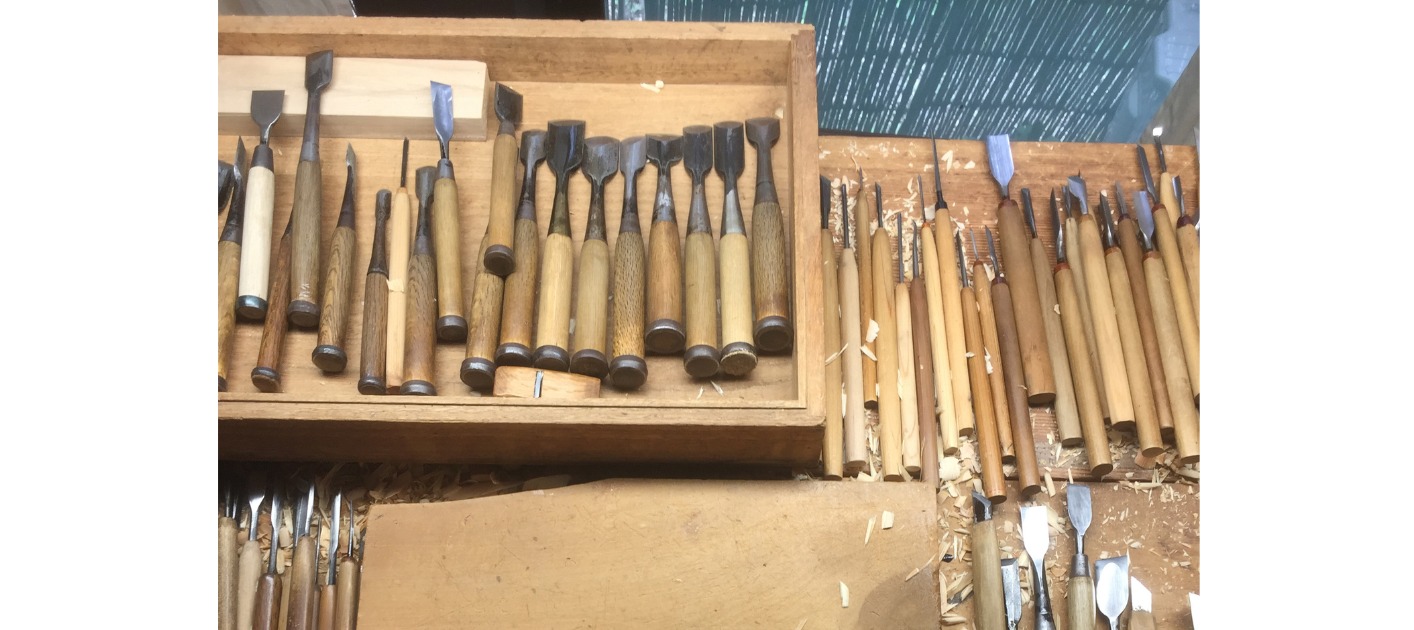
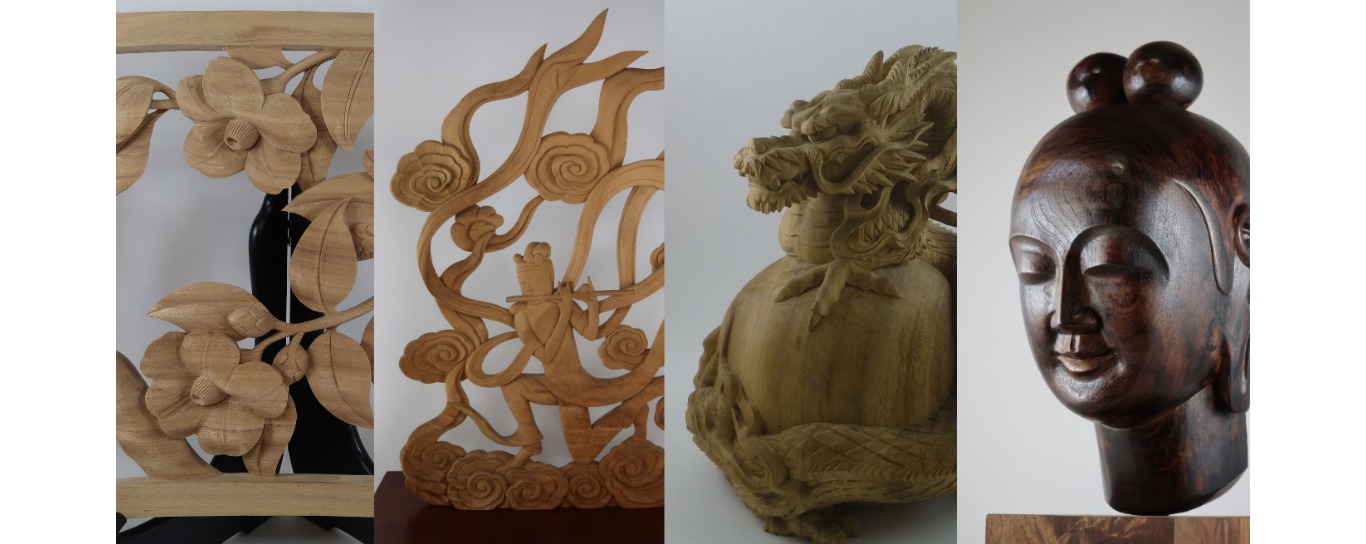
A traditional Japanese woodcarver at work in Mori Carving Studio. Why is a hand-carved Japanese wood sculpture so valuable? The answer lies not in the wood itself, but in decades of training, generations of craftsmanship, and a tradition that has been handed down for centuries. To understand its value, we must first understand what it takes to create one. Every piece of wood has its own grain, character, and possibilities. Every sculpture begins with a single piece of natural wood. No two trees are ever the same. Their grain, hardness, moisture, and character all differ. Before making the first cut, an experienced woodcarver studies the material. Rather than forcing the wood into shape, the craftsman works with its natural character. This dialogue between the craftsman and the wood lies at the heart of traditional Japanese woodcarving. The value of a sculpture can never be measured by the price of the wood alone. Japanese woodcarvers spend years learning to sharpen and control their carving tools. Traditional Japanese woodcarving is one of Japan's most demanding crafts. It cannot be mastered in just a few years. Among Japanese woodcarvers there is an old saying: "Three years to learn sharpening." Before learning to carve, a student must first learn to sharpen carving tools correctly. Only then can the real training begin. A traditional woodcarver must master drawing, composition, tool control, wood selection, three-dimensional form, and finishing techniques. Unlike modern woodworking, traditional Japanese carving uses very little sandpaper. The final surface is refined almost entirely with carving tools. Every cut is permanent. A single mistake cannot simply be erased. For that reason, woodcarving demands patience, precision, and years of experience. Few traditional crafts require such a wide range of skills. Even in Japan, becoming a skilled woodcarver often takes longer than becoming a lacquer artisan or a woodturner, requiring dedication comparable to that of a master temple carpenter. The value of a sculpture reflects not only the time spent carving it, but the decades required to master the craft. Traditional skills are passed from master to apprentice through years of daily practice. The apprenticeship of a traditional Japanese woodcarver is exceptionally long. During the first four years, apprentices spend most of their time learning rather than producing finished work. They sharpen tools, observe experienced craftsmen, and practice basic techniques every day. Even after this initial apprenticeship, they are still far from becoming master craftsmen. For many more years, they continue training while earning wages that are often lower than those of part-time workers. Because mastering the craft requires well over a decade, very few young people choose this profession today. As a result, the number of traditional woodcarvers in Japan continues to decline. Every sculpture created by an experienced craftsman therefore preserves not only artistic skill but also a tradition that is becoming increasingly rare. Kaminyū, Shiga Prefecture—a village where woodcarving has flourished for centuries. Mori Carving Studio was founded in 1971, but its roots extend much further back. The studio is located in Kaminyū, a small village in Shiga Prefecture where woodcarving has flourished for centuries. Kaminyū became known for architectural carvings for shrines and temples, Buddhist altar carvings, and Buddhist sculpture. Its techniques were passed directly from master to apprentice through daily work rather than textbooks. From Hideo Mori to Nozomu Mori, Tessō Mori, and now to Seiichirō Mori and Tetsuo Mori, the Mori family has carried this tradition across generations. Every sculpture created by Mori Carving Studio is part of this living heritage. Human beings experience beauty through the heart. Art begins when that feeling is given form. A woodcarver does far more than shape wood. Through years of training, experience, and careful judgment, the craftsman transforms a piece of natural wood into something capable of moving another person. Modern machines can reproduce identical shapes with extraordinary precision. But every tree is different. Reading the grain, understanding the material, and deciding where each cut should begin and end are choices only a skilled craftsman can make. At Mori Carving Studio, we believe this dialogue between the craftsman and the wood is one of the greatest values of hand-carved art. It is what gives every sculpture its unique presence. When you purchase a sculpture from Mori Carving Studio, you are not simply buying wood. You acquire the result of decades of skill. You help preserve generations of craftsmanship. You support a traditional art that is becoming increasingly rare. You also bring into your home something that reflects the quiet beauty of Japanese culture. Japanese aesthetics find beauty in natural materials, subtle expression, simplicity, and the traces left by the human hand. These qualities cannot be measured by size, weight, or material alone. They are the result of a lifetime devoted to mastering a craft. More than wood. More than craftsmanship. A tradition carried forward by human hands. People often ask why a hand-carved Japanese wood sculpture is valuable. Perhaps the better question is: What is its true value? Its value lies not in the material, but in the years spent learning, the generations of knowledge passed from master to apprentice, the beauty of Japanese culture expressed through natural wood, and the human hands that transformed a living tree into a work of art. When you bring a sculpture from Mori Carving Studio into your home, you are doing more than purchasing an object. You help preserve a Japanese woodcarving tradition that has been passed down through generations. And you become part of a continuing story— a story of skill, a story of Japanese culture, a story of beauty, and a story that could only be carved by human hands. As long as craftsmen continue to carve by hand, that story will continue.Why Is Hand-Carved Japanese Wood Sculpture So Valuable?
The True Value Behind Mori Carving Studio
More Than Wood
A Skill That Takes Decades

One of Japan's Longest Apprenticeships
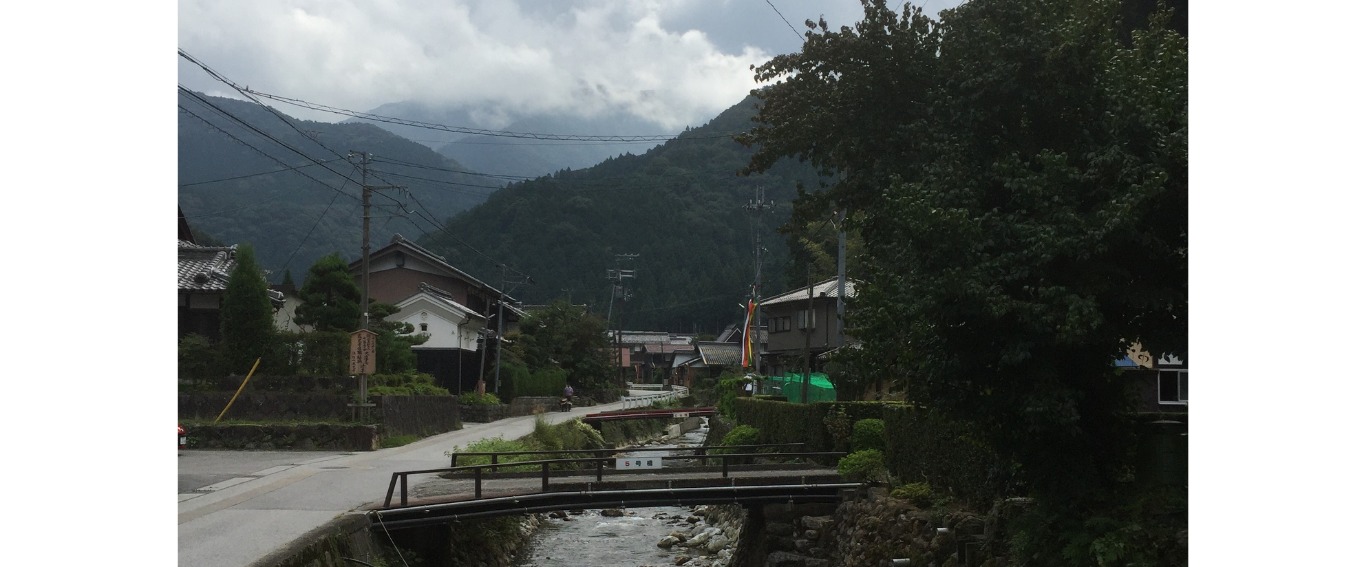
A Living Tradition in Kaminyū
 Every surface reflects thousands of careful decisions made by the craftsman's hands.
 Art Begins with the Human Heart
More Than a Sculpture

More Than the Price
Related Reading