Blog
2026/07/10 13:58
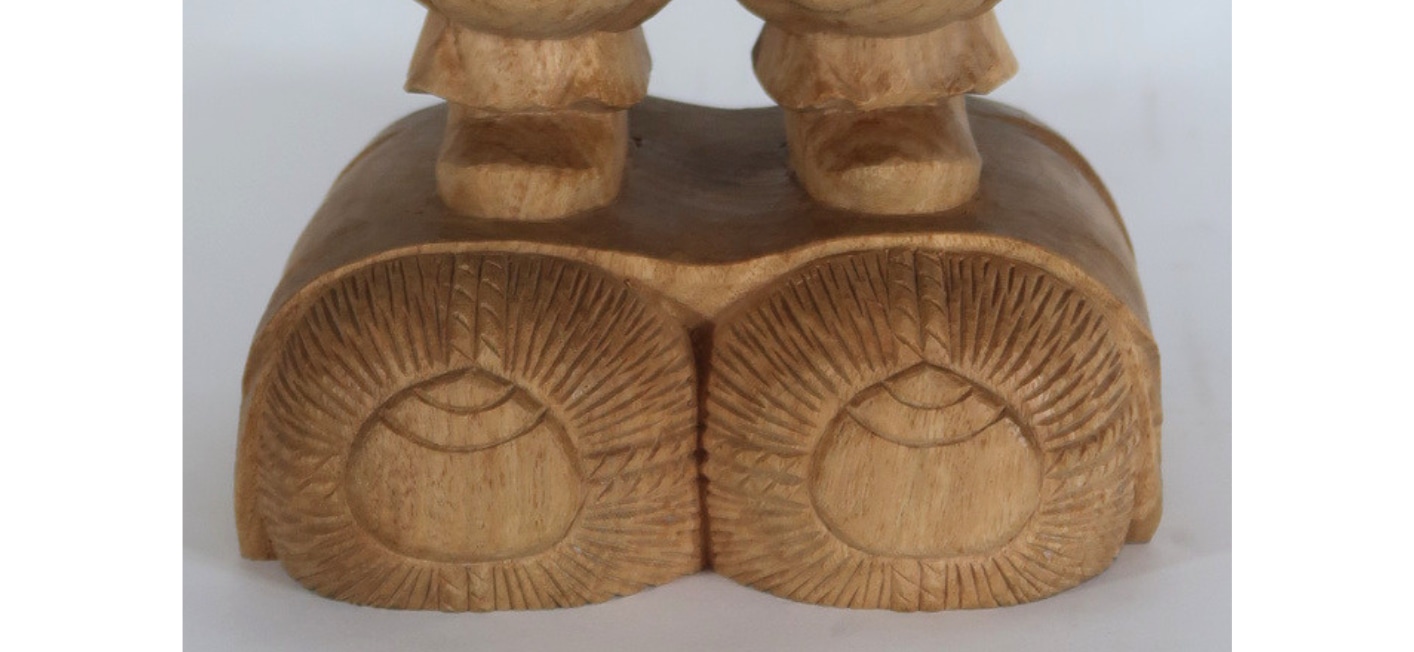
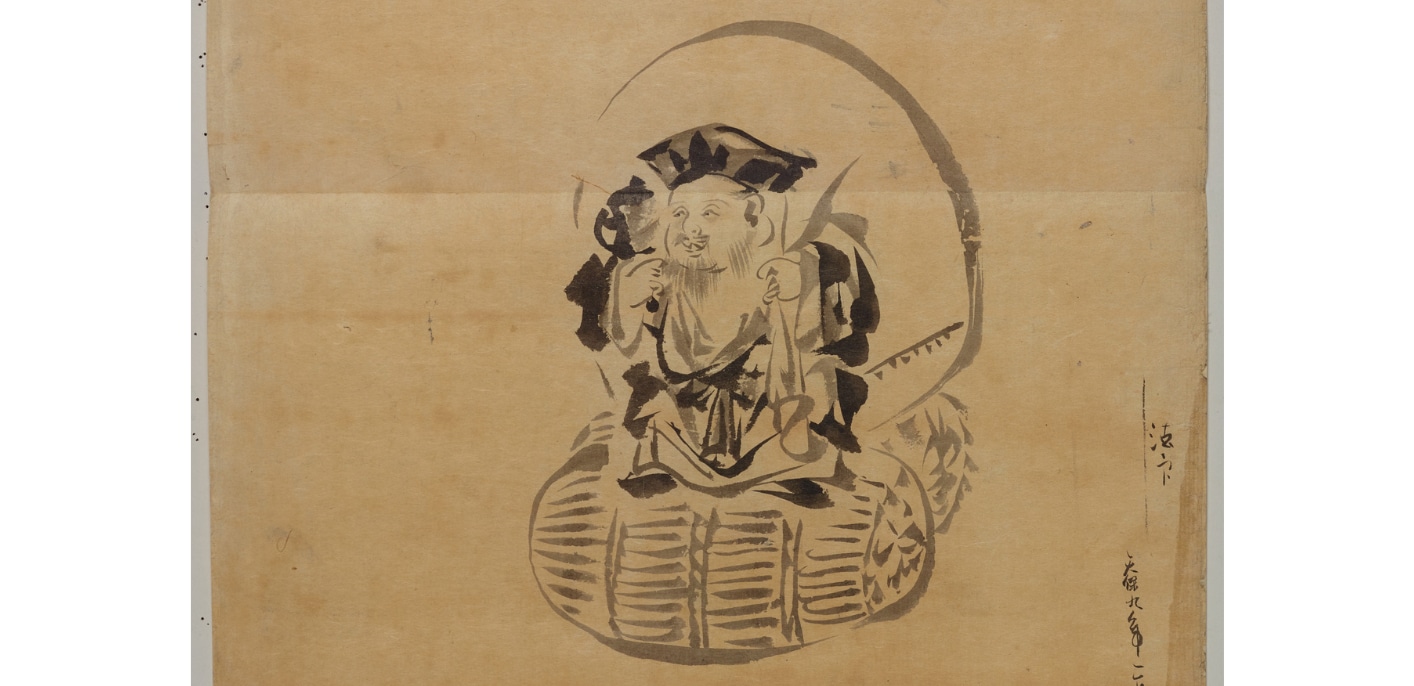
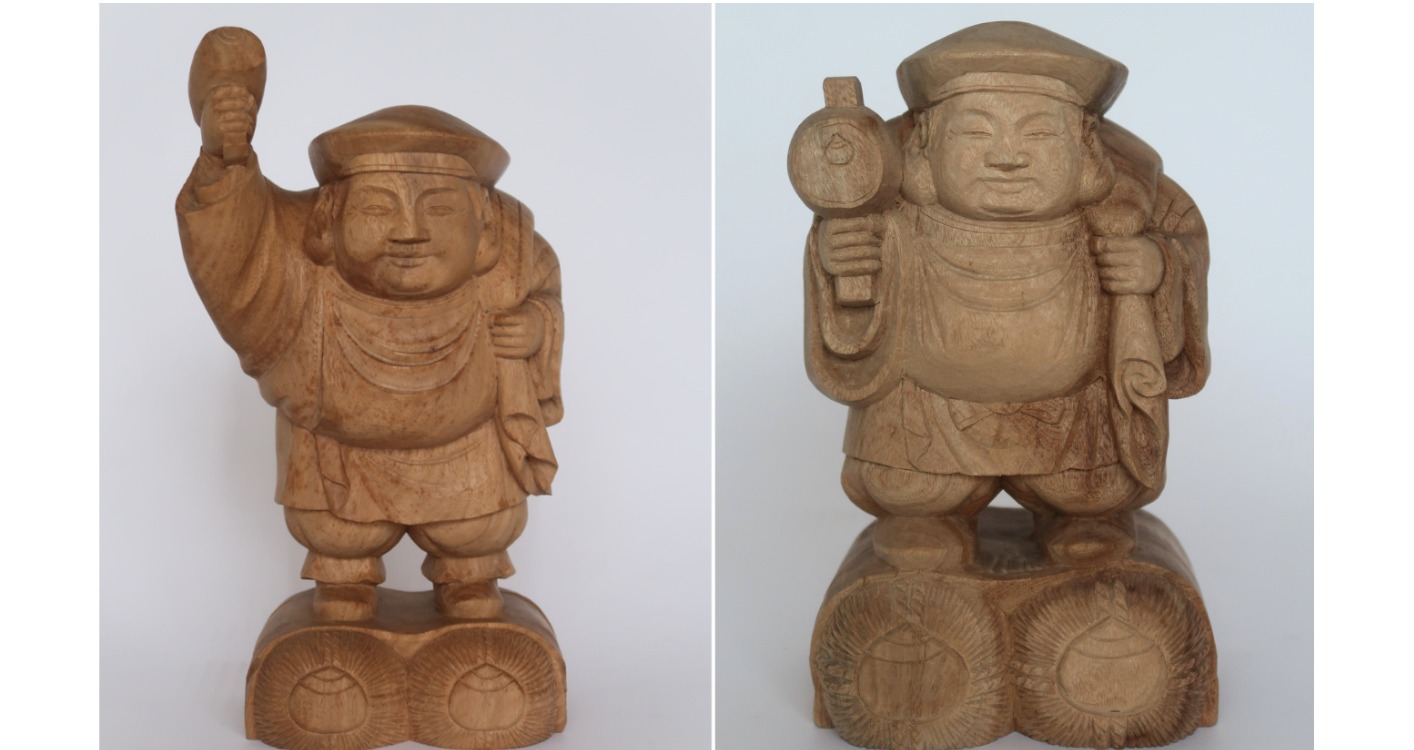
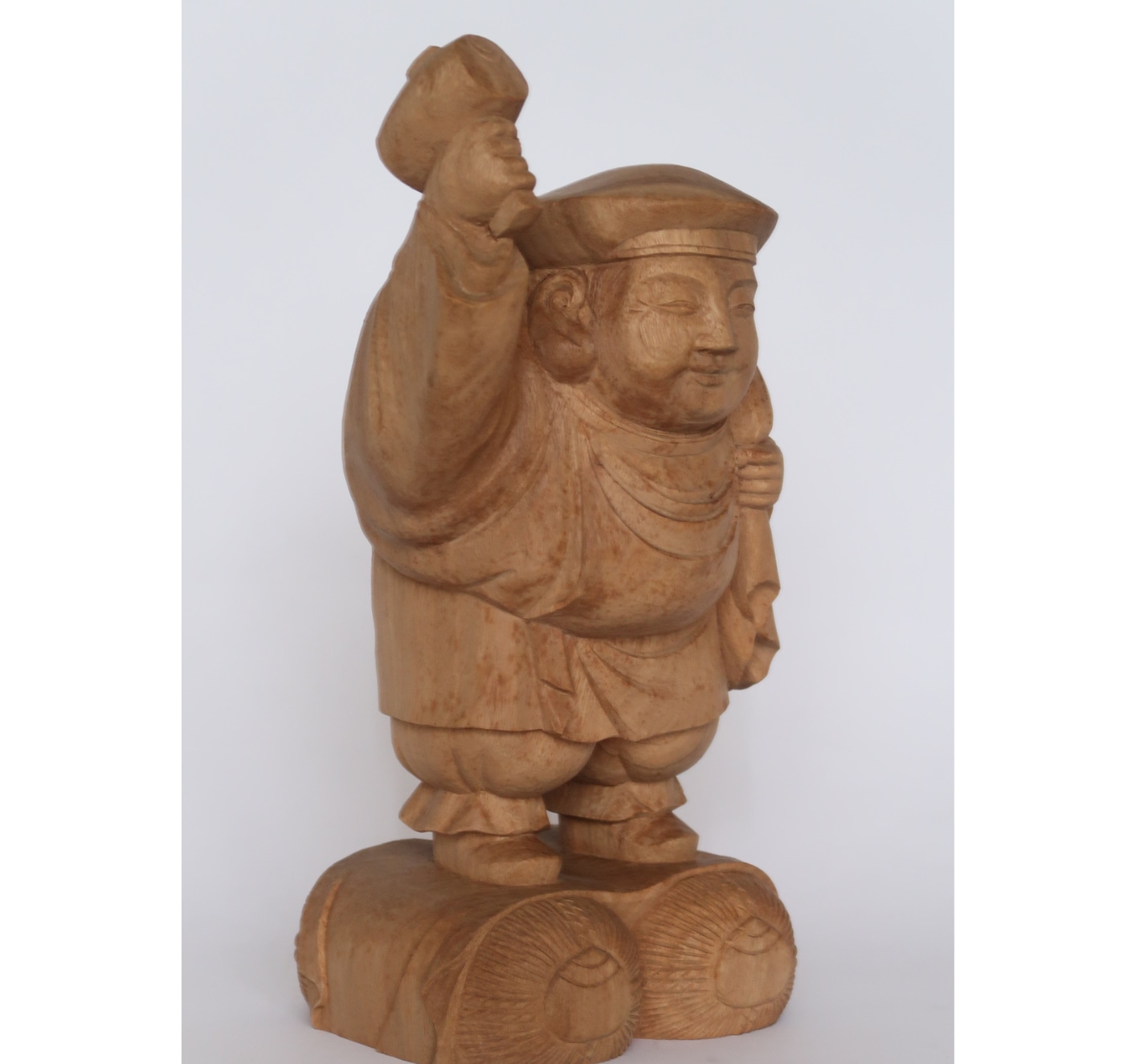
Daikokuten by Nozomu Mori Walk through almost any antique shop, temple market, or traditional art collection in Japan, and you are likely to encounter a smiling figure standing on two rice bales, carrying a large sack over one shoulder and holding a small wooden mallet. This is Daikokuten, one of Japan's Seven Lucky Gods. For centuries, he has been one of Japan's most beloved deities, appearing in temples, homes, shops, and marketplaces throughout the country. Yet today, while almost every Japanese person recognizes Daikokuten, relatively few people keep a wooden sculpture of him in their homes. Why, then, did earlier generations treasure these images so deeply? The answer lies not only in religion, but in the realities of everyday life. Outside Japan, Daikokuten is often introduced simply as the "God of Wealth." While this description is easy to understand, it tells only part of the story. For the people who welcomed Daikokuten into their homes, wealth alone was never the ultimate goal. They prayed for enough food, successful harvests, steady work, healthy children, and peaceful lives. Before modern transportation, refrigeration, medical care, and social welfare, these were not ordinary wishes but the foundations of survival. Good fortune meant having enough food, honest work, healthy children, and another peaceful year. His smiling face reminded people that true prosperity was measured not only by money, but also by the security and happiness of everyday life. This may be one of the reasons why Daikokuten became so deeply loved throughout Japan. Although Daikokuten appears in many different forms, several symbols have remained remarkably consistent for centuries. The Lucky Mallet (Uchide no Kozuchi) symbolizes the hope that tomorrow will be better than today. Over one shoulder he carries a Treasure Sack. Because its contents remain unseen, every viewer is free to imagine a different blessing inside—wealth, food, health, success, or happiness. Beneath his feet stand two Rice Bales. In premodern Japan, rice was both food and a measure of wealth, making the rice bale a powerful symbol of prosperity and security. Many sculptures also feature a jewel-shaped ornament carved into the front of the bales. Often resembling the Buddhist Hōju, or wish-fulfilling jewel, it combines religious symbolism with elegant design. Completing the image is Daikokuten's familiar hood, another feature that immediately distinguishes him from other Japanese deities. Together, these symbols made Daikokuten instantly recognizable wherever he appeared. A stylized Hōju motif carved into the rice bales. Daikokuten was long associated with prosperity, good harvests, and the well-being of the household. ColBase(https://colbase.nich.go.jp/) Understanding Daikokuten's popularity also explains why Japanese woodcarvers created so many sculptures of him. Unlike Buddhist statues commissioned for temples, Daikokuten belonged to everyday life. He was welcomed into homes, shops, and workshops throughout Japan. Merchants, farmers, and families all prayed before Daikokuten for prosperity, security, and peace. People did not value these sculptures simply because they appreciated fine craftsmanship. They lived with them. For many households, a Daikokuten sculpture was a daily reminder of the life they hoped to build—a life with enough food, honest work, and the confidence to face tomorrow. As long as those hopes remained, craftsmen continued to carve Daikokuten. That is why so many examples survive today. Each sculpture reflects not only the skill of its maker but also the wishes of the people who welcomed it into their lives. Although Daikokuten was instantly recognizable, artists were never expected to carve him in exactly the same way. Two interpretations of Daikokuten carved by Nozomu Mori. While preserving the traditional symbols, each sculpture expresses a different artistic vision through its pose and composition. Unlike many Buddhist figures with fixed iconographic rules, Daikokuten allowed room for interpretation. As long as the familiar symbols remained—the lucky mallet, the treasure sack, the rice bales, and the hood—each sculptor could express his own artistic vision. Some emphasized joy, while others preferred dignity, movement, or quiet stability. This freedom became one of the defining characteristics of Japanese wood sculpture, allowing every generation to preserve tradition while adding something new. Detail of Daikokuten carved by Nozomu Mori. The Daikokuten carved by Nozomu Mori continues this long tradition. Rather than copying an earlier example, Mori respected the familiar symbols while giving the sculpture its own distinctive character. Its raised lucky mallet suggests the moment before a blessing is given, while its ancient-style clothing recalls an earlier image of Japan than the one most people recognize today. Yet there is no doubt about the figure's identity. The hood, treasure sack, lucky mallet, and rice bales immediately identify it as Daikokuten. Like generations of woodcarvers before him, Mori preserved tradition not by repeating the past, but by interpreting it in his own way. His sculpture reminds us that tradition remains alive only when every generation brings fresh understanding to familiar forms. A Daikokuten sculpture is more than a beautifully carved object. It carries the hopes of the people who once welcomed it into their homes. For centuries, Japanese families looked to Daikokuten not simply for wealth, but for enough food, honest work, good health, gratitude, and peaceful lives. Those hopes remain just as familiar today. Perhaps that is why Daikokuten has continued to inspire generations of artists—and why his smiling face still speaks to us across the centuries. The Daikokuten featured in this article was hand-carved by Nozomu Mori, continuing a tradition passed down through generations of Japanese woodcarvers. With its raised lucky mallet and ancient-style clothing, it offers the artist's own interpretation of one of Japan's most beloved Gods of Fortune. For detailed photographs, dimensions, and purchasing information, please visit the product page below. → View the Artwork Work Shapes the Craftsman ― How One Thousand Daikokuten Sculptures Shaped Tessō MoriWhy Did Japan Love Daikokuten?
The Story Behind Japan's Most Beloved God of Fortune

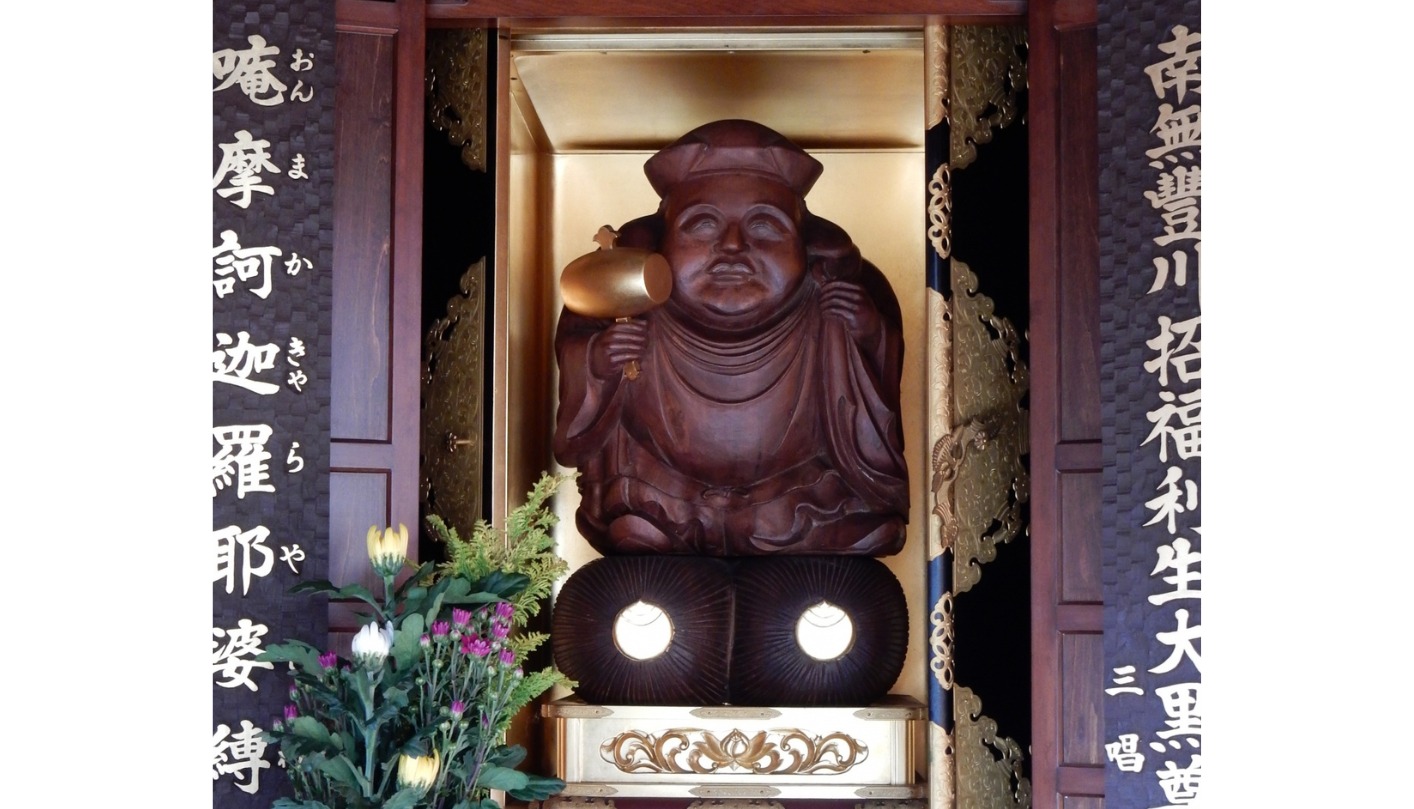
A familiar form of Daikokuten, holding the lucky mallet and standing on rice bales.
More Than the God of Wealth
The Symbols of Daikokuten
Why Were So Many Daikokuten Carved?
A Tradition That Encouraged Creativity
Nozomu Mori's Daikokuten

More Than a Sculpture
Discover This Daikokuten by Nozomu Mori
Related Reading
Why Does Every Daikokuten Look Different? ― The Artistic Freedom Behind Japan's God of Fortune
Daikokuten