Blog
2026/06/28 15:24
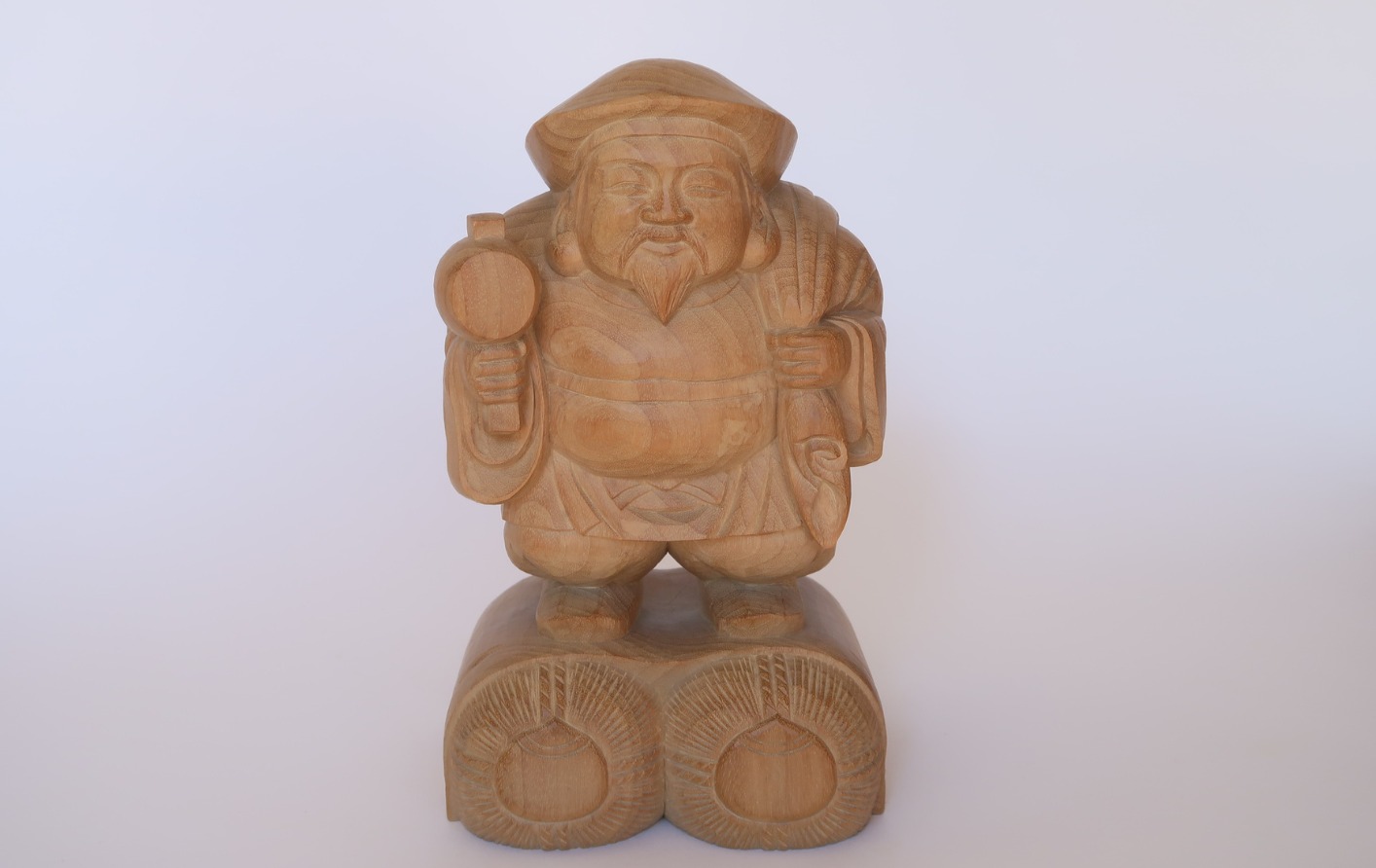
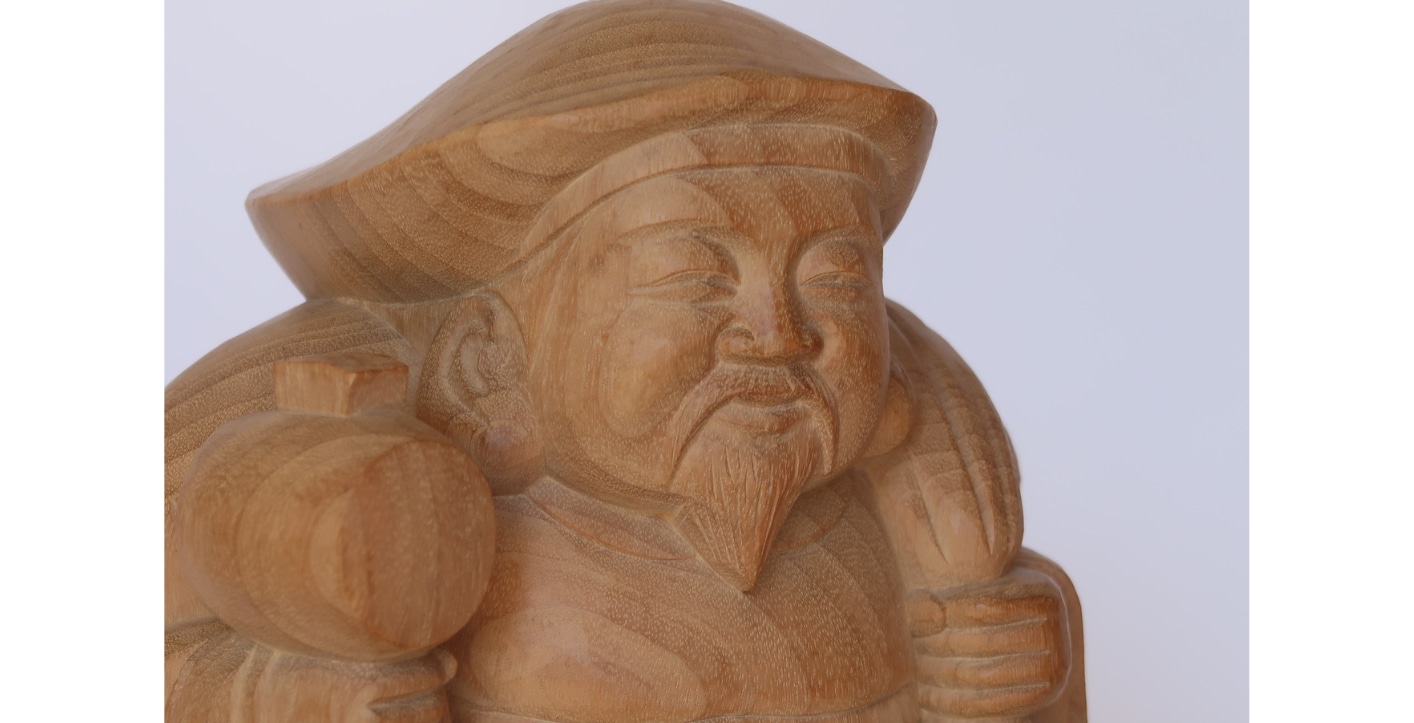
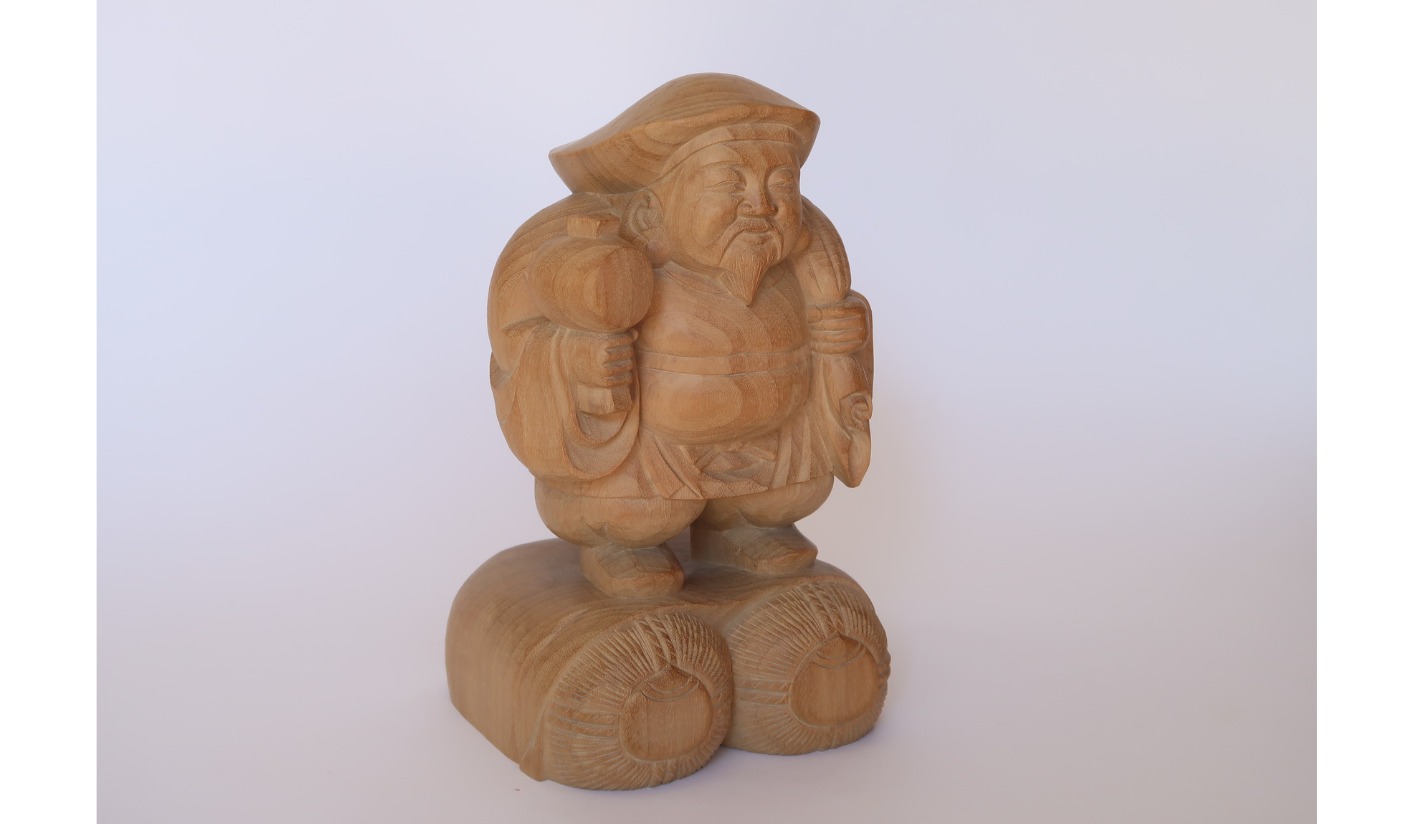
"Work shapes the craftsman." Few words expressed Tessō Mori's philosophy more clearly than these. A craftsman grows through work, not theory. Every commission teaches lessons no book can provide. Tessō Mori carving a Daikokuten. For him, every commission became another lesson in craftsmanship. Looking back on his career, Tessō often spoke of one project that transformed him more than any other. Around 2010, Mori Carving Studio accepted a commission to produce approximately one thousand Daikokuten sculptures. Tessō's role was demanding. He finished every face. By the end of the project, he had carved nearly one thousand expressions. Later, he said this experience became one of the greatest lessons of his life. For collectors, one thousand sculptures is an impressive achievement. For a craftsman, it meant one thousand opportunities to sharpen his eye. Daikokuten is one of Japan's best-known Gods of Fortune. His smiling face, treasure sack, magical mallet, and rice bales symbolize prosperity, abundant harvests, successful business, and family happiness. His origins, however, lie far from Japan. He developed from Mahākāla, a powerful guardian deity from India. After Buddhism reached Japan, his image gradually changed through the blending of Buddhism and Shinto, becoming associated with the Japanese deity Ōkuninushi-no-Mikoto. The fierce guardian evolved into the warm and welcoming figure loved today. For Japanese people, Daikokuten is more than a god of wealth. He represents gratitude for food, the rewards of honest work, and the hope that daily effort will bring lasting happiness. That is why he has remained close to everyday life in Japan for centuries. For the Mori family, Daikokuten is more than a traditional subject. He is part of the history of our workshop. Soon after the Second World War, master woodcarver Hideo Mori received an extraordinary commission through a sculptor in Kamakura. A Japanese religious organization requested approximately one thousand Daikokuten sculptures. At a time when Japan was rebuilding, the commission became one of the workshop's most significant projects. Years later, Hideo's eldest son, Nozomu Mori, also became well known for carving Daikokuten and continued the tradition throughout his career. Around 2010, history repeated itself. Another commission for approximately one thousand Daikokuten sculptures arrived at Mori Carving Studio. This time, four members of the family worked together. Nozomu Mori rough-carved every figure. Tessō Mori finished every face. Seiichirō Mori and Tetsuo Mori completed the bodies and final details. Each sculpture passed through four pairs of skilled hands before it was complete. This was not factory production. It was the traditional craftsmanship of a Japanese family workshop, where each member contributed the work he knew best. At first glance, every Daikokuten may appear the same. A woodcarver sees something entirely different. The slightest change to the eyes or the curve of the mouth can transform an expression. Those decisions cannot be measured with a ruler. They come only through experience. For Tessō Mori, carving one thousand faces was never a matter of repetition. Each sculpture became another lesson. Each expression refined his understanding of balance, character, and life. By the end of the commission, he had gained far more than the satisfaction of completing a remarkable project. He had become a better craftsman. Tessō Mori believed that craftsmanship is built through experience. Books can teach technique. Only work teaches judgment. That belief guided his entire career. Again and again, he reminded younger craftsmen: "Work shapes the craftsman." The Daikokuten commission became one of the greatest classrooms of his life. Every face demanded complete concentration. Every smile required careful balance. The work itself became his teacher. When the commission ended, the lessons remained. In the years that followed, Tessō created Buddha heads, Kannon Bodhisattva, Guardian Kings, Daruma, dragons, lions, and original reliefs inspired by Japanese tradition. Although the subjects changed, one quality remained constant. His sculptures expressed quiet life through subtle expression rather than dramatic movement. No single commission creates a master craftsman. Skill is built over decades. Yet some experiences become turning points. For Tessō Mori, carving one thousand Daikokuten faces was one of them. It refined not only his technique, but also his ability to reveal character through wood. The story of Daikokuten did not end with Tessō Mori. It continues through the Mori family today. For three generations, Daikokuten has remained one of the workshop's most important subjects. Hideo Mori established the foundation through his postwar commission. Nozomu Mori carried the tradition forward across decades of work. Tessō Mori transformed the experience of carving one thousand faces into a deeper understanding of expression. Today, Tetsuo Mori and Seiichirō Mori continue that tradition in their own way. Although every Daikokuten follows the same centuries-old iconography, no two sculptures are exactly alike. Each reflects the experience, personality, and craftsmanship of the individual who carved it. That is the enduring beauty of hand-carved sculpture. Tradition is not preserved by copying the past. It survives because every generation learns from experience and passes that knowledge to the next. Perhaps this is the true meaning behind Tessō Mori's words: "Work shapes the craftsman." Every Daikokuten created by the Mori family carries more than the image of a traditional God of Fortune. It carries the history of a workshop. The skills refined through thousands of hours of carving. And the knowledge passed from one generation to the next. Whether created by Tessō Mori, Nozomu Mori, Tetsuo Mori, or Seiichirō Mori, each sculpture reflects a different craftsman's hand while sharing the same tradition. For collectors, each work represents more than exceptional Japanese woodcarving. It tells the story of a family whose craftsmanship has been shaped by experience for generations. We invite you to explore the Mori family's Daikokuten collection and discover the individuality, history, and tradition found in every sculpture. Daikokuten by Tessō Mori Daikokuten by Nozomu Mori Daikokuten by Tetsuo Mori Daikokuten by Yasuichirō MoriDaikokuten
Work Shapes the Craftsman
How One Thousand Daikokuten Sculptures Shaped Tessō Mori
— Tessō Mori
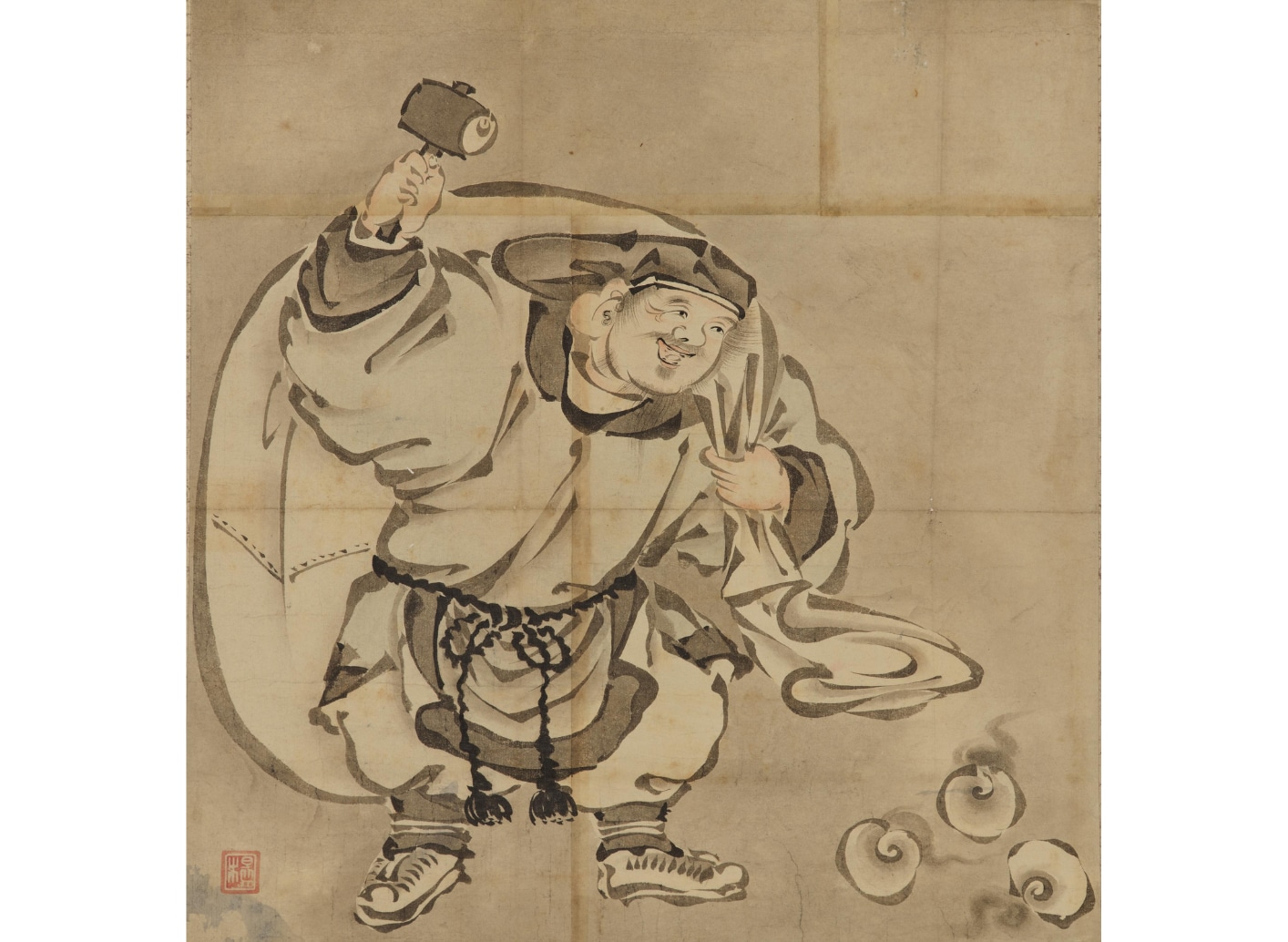
Traditional image of Daikokuten, one of Japan's Seven Lucky Gods.
A God Who Became Uniquely Japanese

Three Generations of Daikokuten
One Thousand Faces
The Lesson That Lasted a Lifetime
A Living Tradition
Discover the Mori Family's Daikokuten
Explore the Mori Family's Daikokuten Collection