Blog
2026/07/10 18:52
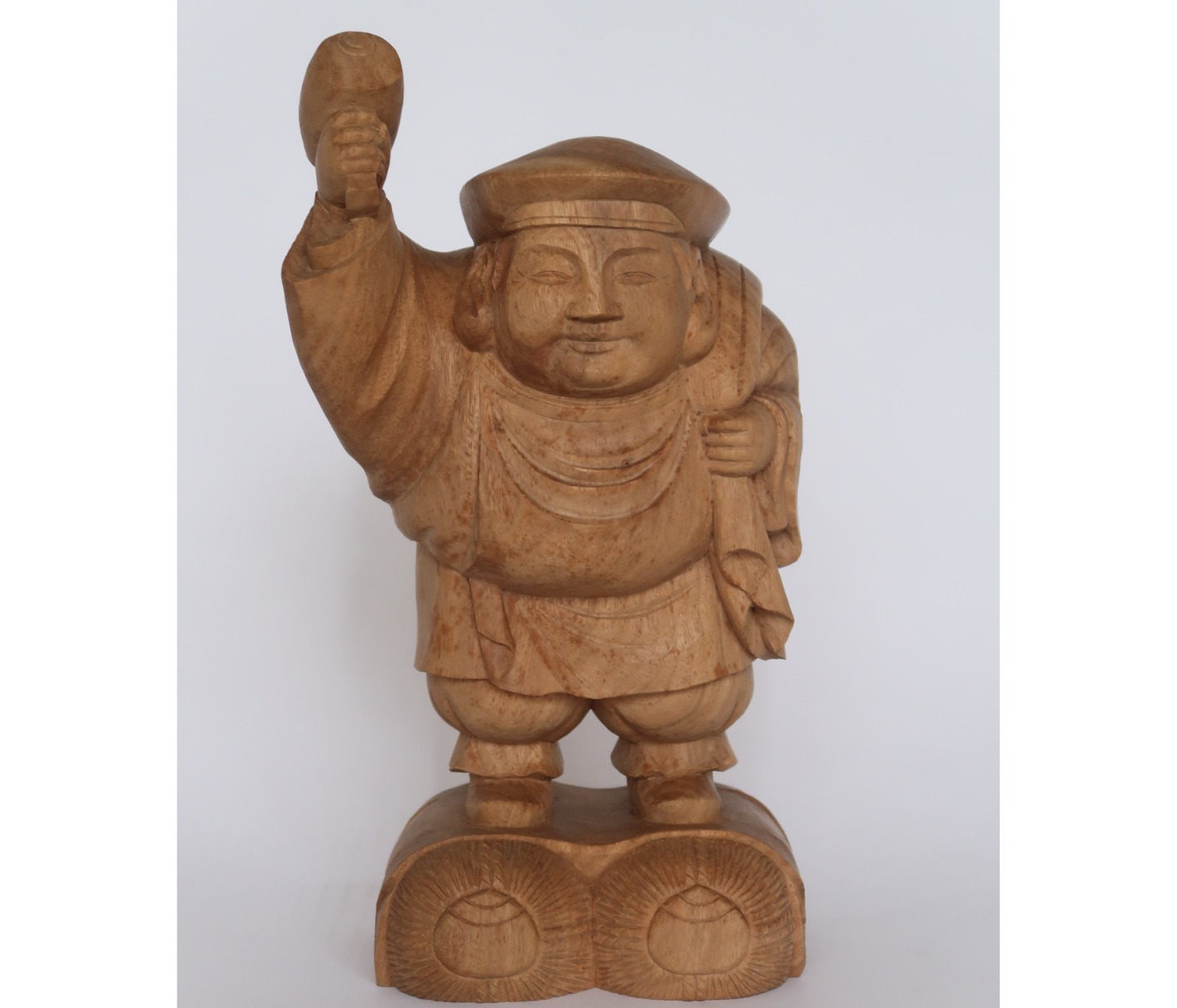
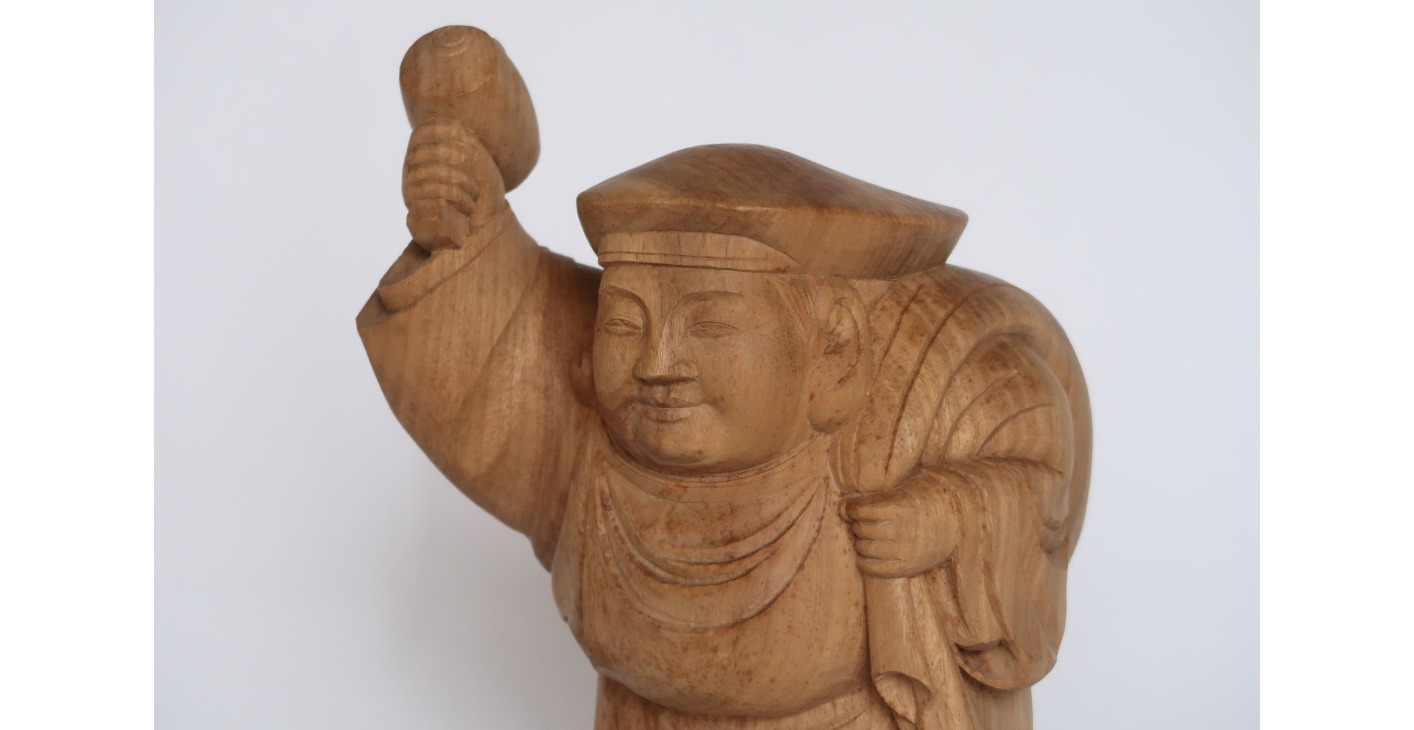
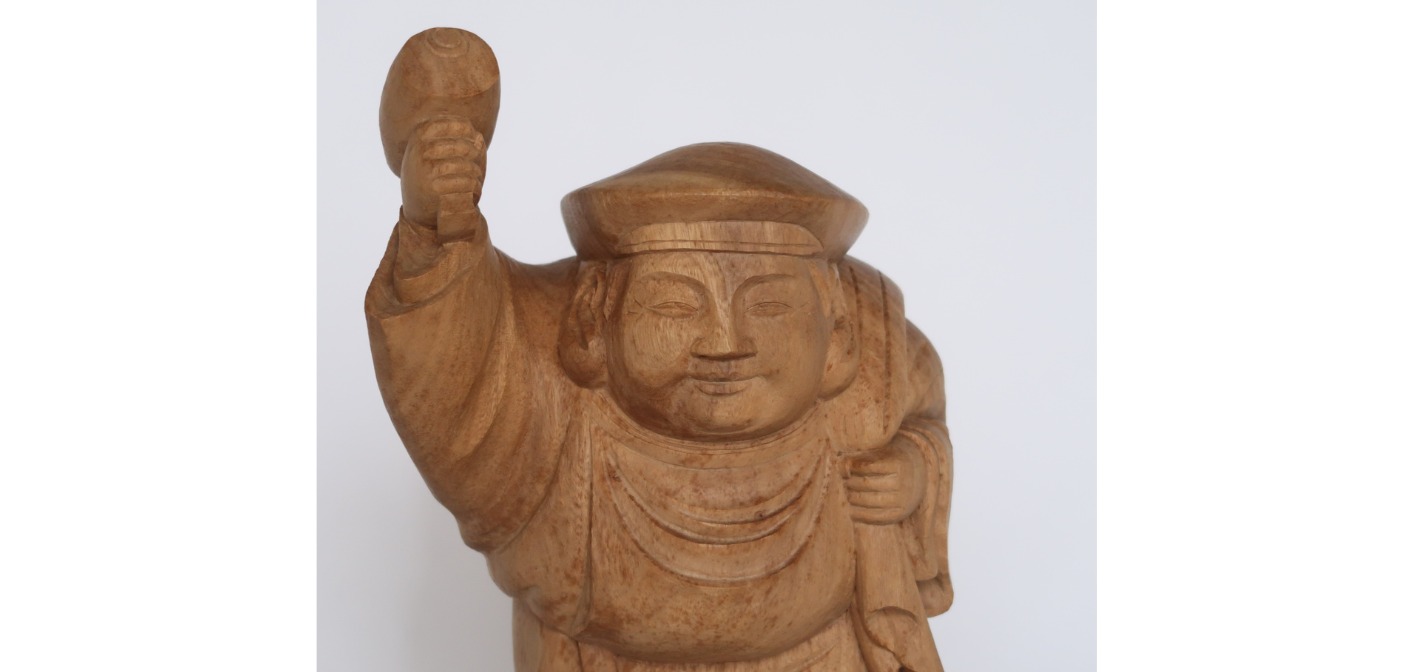
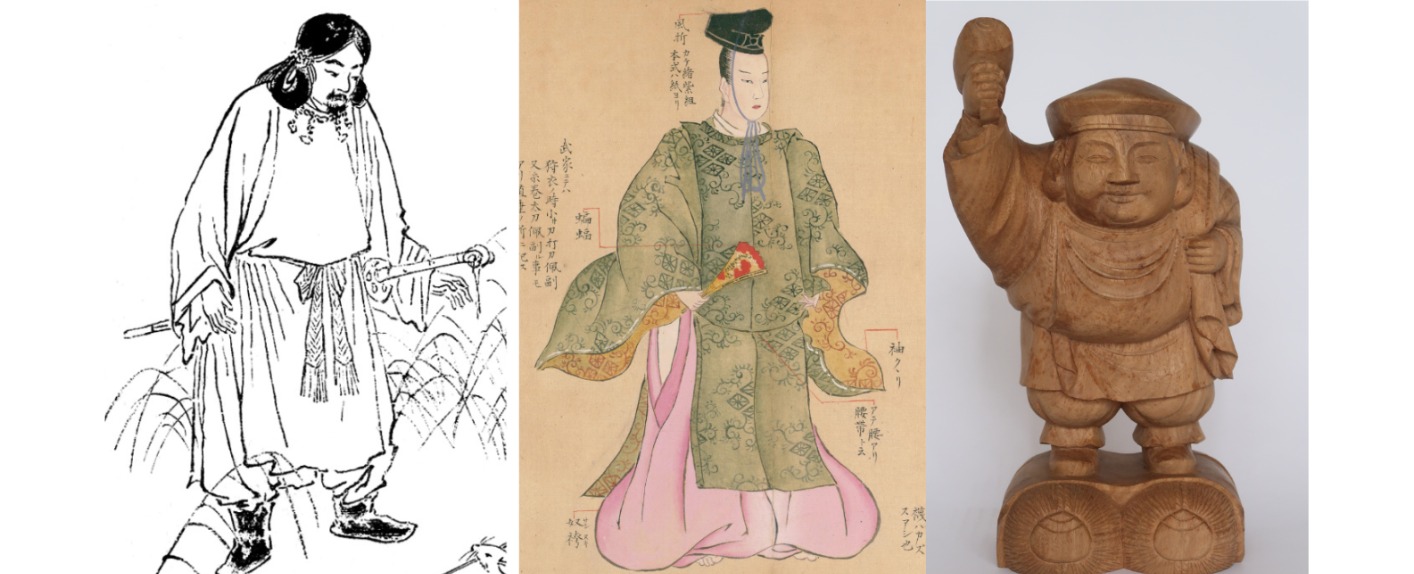
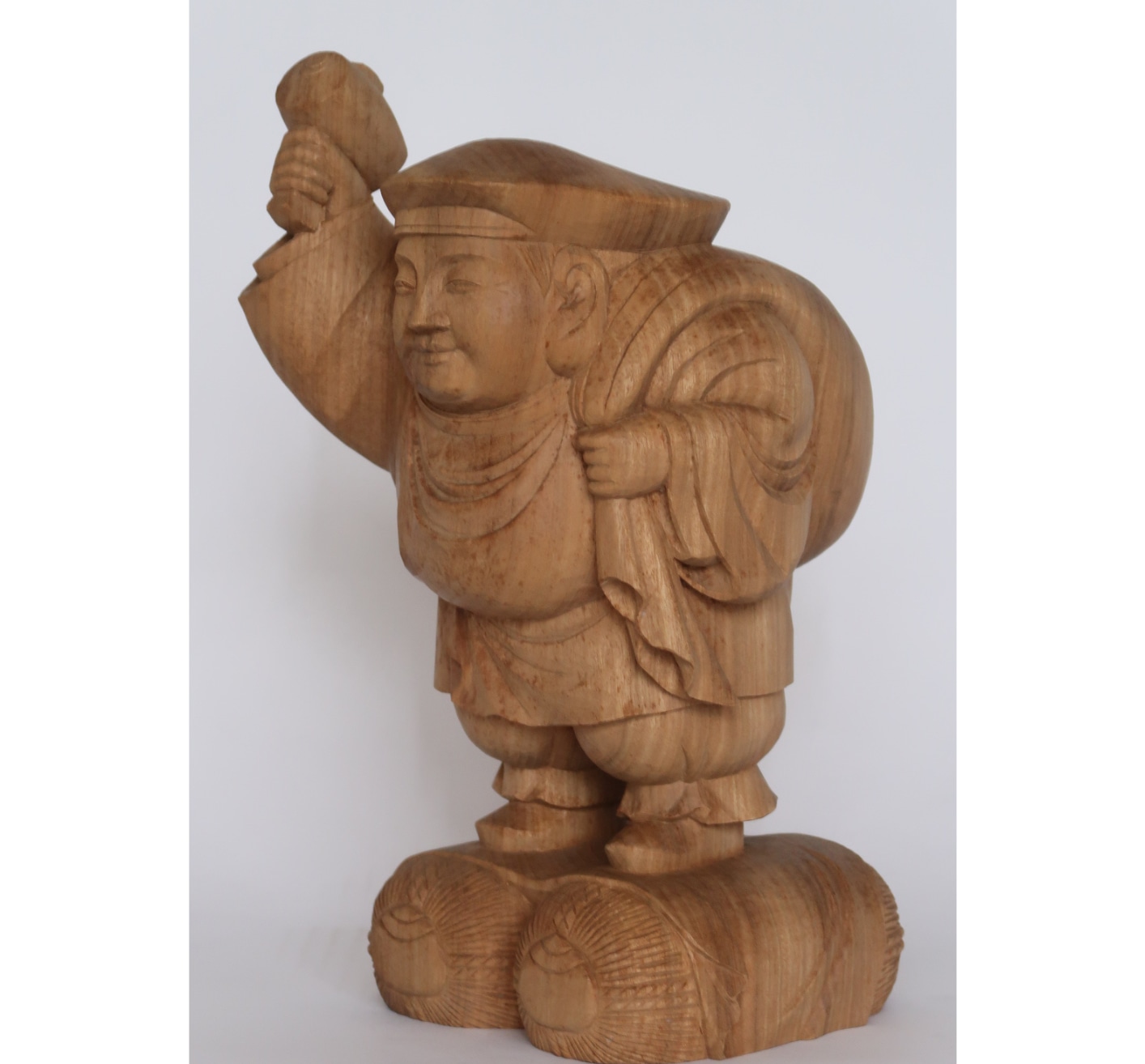
Daikokuten carved by Nozomu Mori around 1986. Visit a temple, an antique shop, or a museum in Japan, and you may notice something surprising. Although every figure is clearly Daikokuten, no two sculptures look exactly alike. Some hold the lucky mallet quietly before the body. Others raise it above the head. Some wear a broad smile. Others have a gentle expression, while a few appear calm, almost like Buddhist statues. Their clothing also varies from one sculpture to another. Why has Daikokuten never had a single fixed appearance? The answer reveals something unique about the tradition of Japanese wood sculpture. Most Buddhist statues follow long-established iconographic traditions. The position of the hands, the posture, the attributes, and even the facial expression often follow conventions that have been preserved for centuries. Daikokuten is different. Although he originated from Buddhist tradition, he gradually became one of Japan's Seven Lucky Gods and entered everyday life. As a result, woodcarvers enjoyed much greater artistic freedom. As long as people could recognize the familiar image of Daikokuten, sculptors were free to express their own artistic ideas. This freedom allowed every generation to create a Daikokuten with its own personality. Two interpretations of Daikokuten by Nozomu Mori. The familiar symbols remain the same, while the pose creates a different impression. Both forms of Daikokuten have long existed in Japanese art. Some sculptures show him holding the lucky mallet quietly before the body. Others show him raising it high above his head. Simply changing the position of one arm can completely alter the feeling of the sculpture. The raised mallet creates a sense of movement and anticipation. Holding the mallet quietly creates a sense of balance and stability. Raising it overhead suggests the moment just before Daikokuten bestows a blessing. Nozomu Mori's Daikokuten follows this second approach. While preserving the traditional image of Daikokuten, the raised mallet gives the sculpture a greater sense of movement and anticipation. Perhaps the greatest difference between Daikokuten sculptures appears in the face. Some artists carved broad laughter. Others preferred a gentle smile. Some gave Daikokuten the calm expression of a Buddhist statue. None of these interpretations is more correct than another. A joyful smile expresses happiness and celebration. A gentle smile conveys kindness and reassurance. A quiet expression emphasizes dignity and sacredness. Each sculptor imagined the God of Fortune differently, and those ideas became visible in the finished work. The gentle expression gives Mori's Daikokuten a warm and reassuring presence. The clothing varies as well. Some Daikokuten sculptures wear garments inspired by the kariginu, the everyday robe of Heian-period aristocrats. Others recall even earlier styles of Japanese clothing. Both approaches have long existed in Japanese wood sculpture. Comparison of three styles of Japanese clothing. Left: an early Japanese style associated with Japan's mythological era. Center: the kariginu of the Heian period. Right: Nozomu Mori's Daikokuten, whose clothing recalls the earlier tradition. Nozomu Mori chose the latter. Although the figure remains unmistakably Daikokuten, the ancient-style clothing gives the sculpture a different historical atmosphere and a distinctive character. Over the centuries, certain features have appeared again and again in depictions of Daikokuten. The lucky mallet. The treasure sack. The rice bales. The familiar hood. These were not necessarily strict rules that every sculptor was required to follow. Rather, they became traditional features through repeated use by generations of painters and woodcarvers. Because people had long associated these symbols with Daikokuten, the deity could be recognized immediately. Within that familiar framework, artists remained free to change the face, clothing, posture, proportions, and countless small details. Each sculptor decided what to preserve and what to reinterpret. That balance between continuity and creativity became one of the defining qualities of Japanese wood sculpture. The Daikokuten carved by Nozomu Mori belongs to this long tradition. The raised lucky mallet. The ancient-style clothing. The gentle smile. Each element reflects Mori's own artistic interpretation while preserving the familiar image that generations of Japanese people have recognized. Although Mori carved more than 300 Daikokuten sculptures during his career, no two are exactly alike. Like every hand-carved work, each sculpture possesses its own subtle character. That individuality is one of the enduring qualities of Japanese woodcarving. Daikokuten has been one of Japan's most beloved Gods of Fortune for centuries. Yet there has never been only one correct way to depict him. Each period introduced new ideas. Each sculptor added a personal touch. Looking at different Daikokuten sculptures is therefore more than comparing works of art. It is a way of seeing how generations of Japanese craftsmen inherited tradition while quietly making it their own. Every sculpture tells the same story in a slightly different way. Discover This Daikokuten by Nozomu Mori The Daikokuten featured in this article was hand-carved by Nozomu Mori around 1986. With its raised lucky mallet, ancient-style clothing, and gentle expression, it represents the artist's own interpretation of one of Japan's most beloved Gods of Fortune. For detailed photographs, dimensions, and purchasing information, please visit the product page below. → View the ArtworkWhy Does Every Daikokuten Look Different?
The Artistic Freedom Behind Japan's God of Fortune
More Freedom Than Buddhist Sculpture

A Small Change in Pose Creates a Different Impression
The Face Reflects the Sculptor's Idea of Happiness
Clothing Also Changes
Tradition and Individuality
Nozomu Mori's Daikokuten
More Than One Image of the God of Fortune
Related Reading