Blog
2026/07/08 14:25
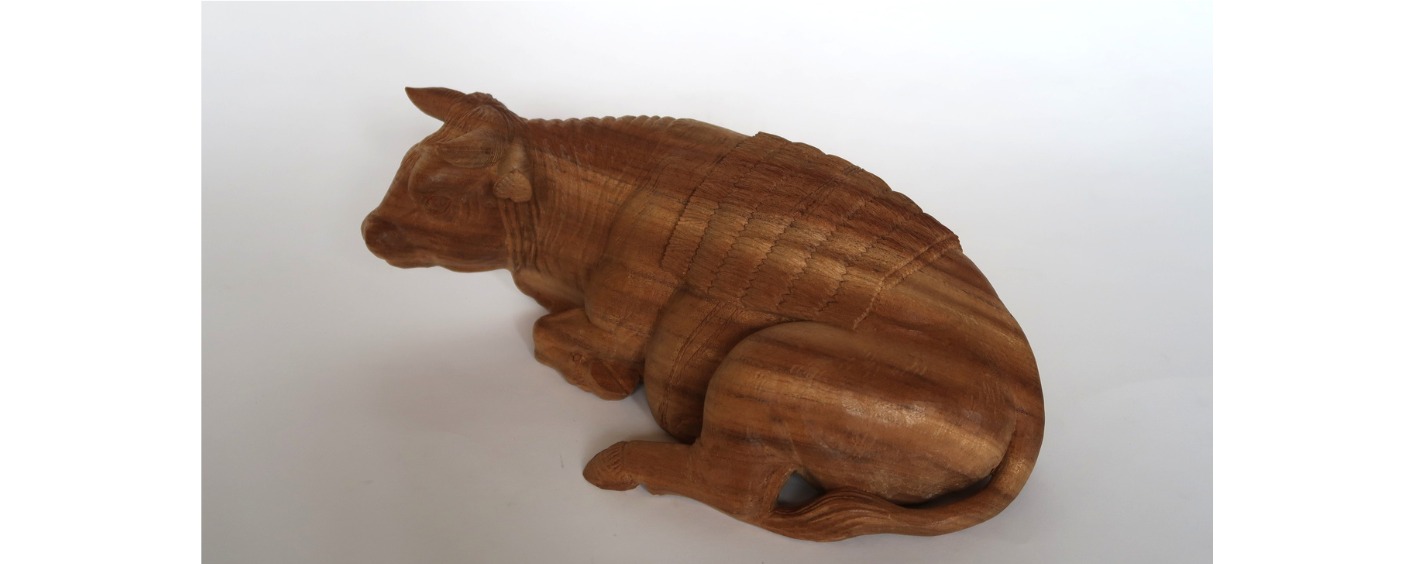
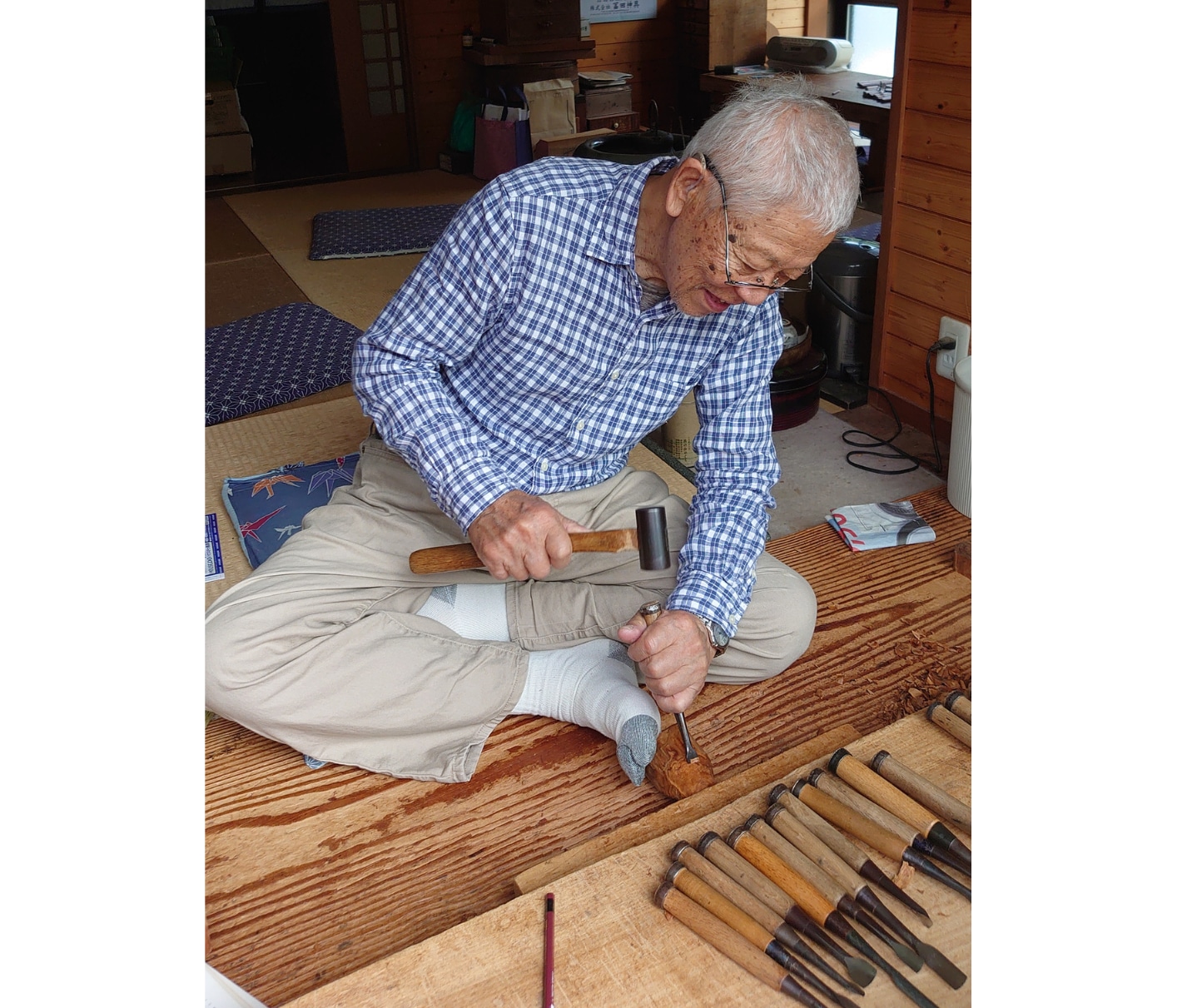
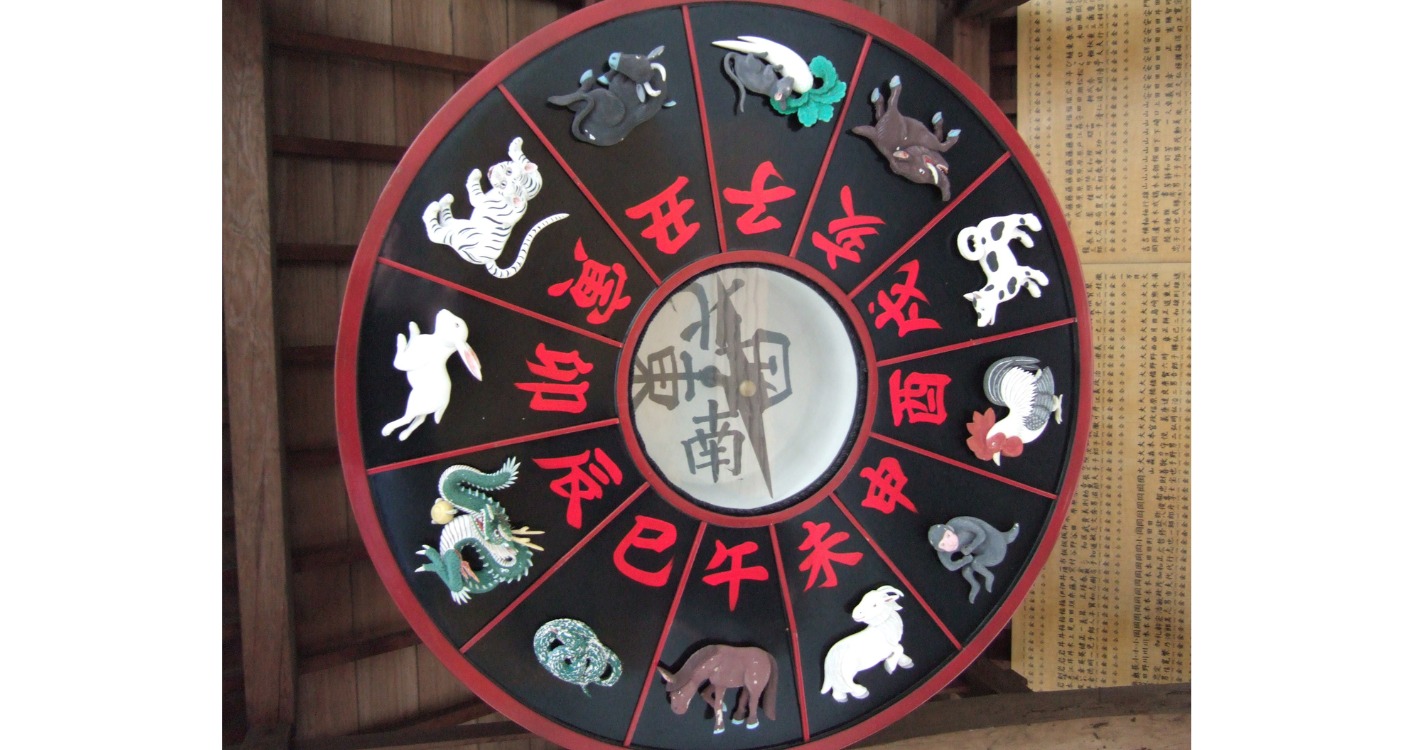
Original hand-carved wooden ox by Nozomu Mori (c. 1986). When many people think of Japan, they imagine cherry blossoms, ancient temples, samurai, or Mount Fuji. Yet for centuries, another quiet figure stood beside ordinary people throughout the Japanese countryside. The ox. Long before tractors and modern agricultural machinery transformed farming, oxen cultivated rice fields, pulled plows, carried heavy loads, and supported everyday life. They were indispensable partners in Japanese agriculture and a familiar sight in villages across the country. Today, working oxen have almost disappeared from Japan, surviving mainly in old photographs, paintings, and the memories of older generations. This wooden ox sculpture by Nozomu Mori preserves part of that disappearing world. More than an animal sculpture, it reflects the relationship between people and nature and values long admired in Japanese culture—patience, diligence, humility, and steady effort. Kaminyū, Shiga Prefecture—a village where woodcarving traditions have been passed down for centuries. The story behind this sculpture begins in Kaminyū, a small village in Shiga Prefecture with a woodcarving tradition stretching back for centuries. Its craftsmen became especially known for architectural carvings for shrines and temples, as well as carvings for traditional Buddhist altars. Their skills were passed from generation to generation, making the village one of Japan's historic woodcarving centers. The original model for this ox was created by Taizō Mori, a sculptor born in Kaminyū who later established his career in Tokyo. Although Taizō Mori and Hideo Mori (1897–1964) shared the same family name, they were not related by blood. Instead, they were childhood friends who grew up as next-door neighbors. Surrounded by skilled craftsmen from an early age, both became sculptors. At some point, Hideo saw one of Taizō's carved oxen and admired its calm expression and natural form. Inspired by the sculpture, Hideo created his own interpretation. Years later, Hideo's eldest son, Nozomu Mori (1936– ), watched his father carve the same subject and eventually produced his own version. This sculpture reflects not only one artist's vision but also the friendship, mutual respect, and artistic exchange that flourished within Kaminyū's close-knit woodcarving community. Close-up of the woven straw mat (wara-komo) carved across the ox's back. One of the most distinctive details of this sculpture is the woven straw covering across the ox's back. Known as kurashita, goza, or wara-komo, this mat protected the animal's back while carrying heavy loads or pulling farming tools. Made from woven straw or rush grass, it acted as a cushion between the ox and its wooden saddle or harness, preventing injury during long hours of work. This simple object appears frequently in Japanese paintings, folding screens, and rural scenes. Although rarely seen today, many older Japanese people immediately recognize it as part of the traditional countryside. Nozomu Mori included this detail to faithfully portray the working ox that once supported Japanese agriculture. The twelve animals of the Japanese zodiac (Eto), an enduring symbol of Japanese culture. Source: Wikimedia Commons. "Chinese Astrology Symbols." Another reason the ox appears so frequently in Japanese art is its place in the Japanese zodiac, known as Eto. Introduced from China more than 1,400 years ago, the zodiac gradually became woven into everyday Japanese life. Each year is represented by one of twelve animals: Rat, Ox, Tiger, Rabbit, Dragon, Snake, Horse, Sheep, Monkey, Rooster, Dog, and Boar. Almost every Japanese person knows the animal of the year in which they were born. Among older generations, especially in rural communities, people sometimes ask, "What year were you born?" Often, the question refers to the zodiac rather than the Western calendar. If someone replies, "I was born in the Year of the Ox," the listener can often estimate that person's age. The zodiac remains an important part of Japanese life. New Year greeting cards, temple charms, and household decorations frequently feature the year's zodiac animal, while many people display the animal of their own birth year. For many Japanese, the zodiac is more than a calendar—it is part of personal identity and tradition. The Year of the Ox symbolizes patience, honesty, perseverance, and steady progress, making the ox one of Japan's most respected and beloved animals. To understand why Nozomu Mori and many other Japanese woodcarvers created zodiac animals, it is helpful to understand engimono. An engimono is an object displayed to invite good fortune or express wishes for happiness, prosperity, health, and protection. For centuries, Japanese people have displayed auspicious objects such as cranes, turtles, beckoning cats (maneki-neko), and the twelve zodiac animals. Many people display the animal of their birth year, believing it brings good fortune while reflecting the virtues associated with that animal. For those born in the Year of the Ox, those virtues include patience, honesty, perseverance, and quiet strength. Because the zodiac has remained an important part of Japanese life for centuries, it naturally became a favorite subject for woodcarvers. Zodiac sculptures were displayed at New Year or given as gifts to celebrate births and other important occasions. This tradition inspired both Hideo Mori and Nozomu Mori, who carved many of the twelve zodiac animals throughout their careers. Rather than creating dramatic figures, they sought to capture the warmth and dignity of animals that had long lived alongside people. This ox reflects that philosophy. Its gentle expression and relaxed posture express calmness, reliability, and the quiet beauty of everyday life. Working oxen have almost disappeared from Japan. Modern machinery replaced animal labor, and the straw mats once common throughout the countryside now survive mainly in museums, historical paintings, and old photographs. This sculpture preserves not only the image of a working ox, but also the memory of Japan's traditional rural life and the values it represents. The Faithful Companion — A Hand-Carved Wooden Ox by Nozomu Mori. This hand-carved wooden ox was created by Nozomu Mori around 1986, when the artist was approximately fifty years old. Inspired by an ox sculpture originally created by his father's childhood friend Taizō Mori, and later reinterpreted by Hideo Mori, this work reflects both the enduring woodcarving tradition of Kaminyū and the symbolism of the Year of the Ox. More than forty years later, it continues to preserve the spirit of rural Japan through the timeless image of a working ox. For collectors of Japanese art, admirers of traditional woodcarving, or anyone born in the Year of the Ox, this sculpture offers a meaningful connection to Japan's cultural heritage. View the ArtworkThe Ox in Japanese Culture
A Quiet Symbol of Patience, Good Fortune, and Rural Life
A Sculpture Born in Kaminyū

The Straw Mat on the Ox's Back
The Japanese Zodiac and the Year of the Ox
What Is an Engimono?
Why the Mori Family Carved Zodiac Animals
A Symbol of Rural Japan

Discover the Artwork
Related Reading