Blog
2026/07/06 15:26
Hand-carved White Camphor Hina Dolls by Nozomu Mori Every year on March 3, families across Japan celebrate Hinamatsuri, or Girls' Day, by displaying Hina dolls and praying for the health, happiness, and future of their daughters. Hina dolls are among Japan's best-known cultural traditions, with a history spanning more than a thousand years. More than seasonal decorations, they embody centuries of Japanese prayers, craftsmanship, and aesthetic values. The origins of Hina dolls can be traced back to Japan's Heian period (794–1185). People believed that small dolls could absorb misfortune and illness in place of a child. Made from paper or straw, these simple figures were set afloat on rivers in a purification ritual known as Nagashi-bina ("floating dolls"), symbolically carrying away evil and misfortune. Over time, this custom merged with court culture, and the dolls gradually evolved into representations of the Emperor and Empress displayed in Japanese homes today. By the Edo period (1603–1868), the tradition had spread throughout Japan, inspiring regional artisans to create Hina dolls in a remarkable variety of styles. When people think of Hina dolls today, they often picture elegant figures dressed in luxurious silk robes. Hina dolls have long been created from porcelain, paper, wood, fabric, and many other materials, with each region developing its own distinctive traditions. This diversity is one reason Hina dolls remain one of Japan's most beloved cultural traditions. Many traditional dressed Hina dolls are built around a hidden core known as waradō, or a straw body. Made from tightly bound rice straw, this inner structure naturally regulates humidity, helping the dolls retain their shape for generations. It reflects the Japanese tradition of transforming natural materials into lasting works of craftsmanship. Among Japan's many wooden Hina dolls, one of the best known is the Kimekomi doll. Instead of dressing the doll in separate garments, artisans carve fine grooves into a body made from tōso—a traditional modeling material composed primarily of paulownia wood powder and natural paste. The edges of the fabric are then carefully tucked into these grooves, creating elegant clothing without sewing. Their softly rounded forms and durable construction have made Kimekomi dolls beloved for generations. These Hina dolls were carved from Shirogusu (White Camphor Wood), one of Japan's finest carving materials. For more than a thousand years, camphor wood has been used in Japanese woodcarving. During the Asuka (592–710) and Nara (710–794) periods, it was widely used for Buddhist sculpture. Today it remains widely used for Buddhist statues and traditional woodcarving. Japanese craftsmen traditionally distinguish camphor wood into White Camphor (Shirogusu), Red Camphor (Akagusu), and Blue Camphor (Aogusu). Although all come from the same camphor tree, differences in growing conditions and the condition of the timber create variations in color, grain, and fragrance. These sculptures were carved from White Camphor, a premium grade prized for its bright, refined appearance. Nozomu Mori carefully selected only the palest and most beautiful sections of the wood, avoiding areas with bold grain patterns. By contrast, Red Camphor and Blue Camphor generally display darker color, stronger grain, and a stronger fragrance. Camphor wood is easier to carve than Japanese zelkova, yet it is neither too soft nor too hard. Its durability, insect resistance, and suitability for intricate carving have long made it a favorite among woodcarvers. The carefully selected White Camphor enhances the gentle expressions and quiet elegance of these Hina dolls. The Hina dolls introduced here belong to none of the established traditions described above. They are neither Kimekomi dolls with fabric-inlaid clothing nor conventional dressed Hina dolls adorned with elaborate garments. Instead, this pair was individually hand-carved from solid White Camphor wood by Nozomu Mori at the age of forty-five as a gift for his own daughter. Rather than following an established style, these sculptures reflect Nozomu Mori's own artistic vision. Most Hina dolls are admired for their graceful proportions, refined facial features, and luxurious costumes. Today, many also feature the charming expressions associated with contemporary Japanese popular culture. These Hina dolls are different. Their rounded forms and gentle expressions create a warmth rarely found in modern Hina dolls. Their beauty lies not in perfect symmetry, but in simplicity, honesty, and timeless character. The longer one looks at them, the more their quiet charm reveals itself. Why did Nozomu Mori choose to carve Hina dolls in this unusual style? Only Nozomu Mori himself truly knows. Like his younger brother, Tessō Mori, Nozomu has long been fascinated by antiques and traditional Japanese art. He frequently visited museums and studied historical works of craftsmanship. His family believes these sculptures may have been inspired by an antique Hina doll he encountered in an old reference book, an art publication, or during one of those museum visits. Perhaps he simply looked at an old doll and thought, "This is the form I want to carve." Of course, this remains only the family's interpretation. What these sculptures reveal, however, is an artist who pursued the beauty that resonated most deeply with him rather than fashionable trends. These Hina dolls were never intended for sale. Nozomu Mori carved them to celebrate the healthy growth and happiness of his own daughter. They embody decades of carving experience and a father's quiet wishes. That personal story gives these sculptures a warmth that extends beyond artistic skill alone. They are not simply Hina dolls—they are a family's expression of love, preserved in wood. Created from carefully selected White Camphor wood, these Hina dolls bring together more than a thousand years of Japanese Hina doll tradition and the personal artistic vision of Nozomu Mori. Rather than pursuing fashionable styles or perfect symmetry, he created something deeply personal—an expression of warmth, simplicity, and enduring beauty. Such a work could never be mass-produced. Even today, they express the enduring spirit of Japanese craftsmanship and a father's lasting wish for his daughter's happiness. For photographs, dimensions, and purchasing information, please visit the product page below. → View the ArtworkTraditional Japanese Hina Dolls: A Father's Gift Hand-Carved by Nozomu Mori

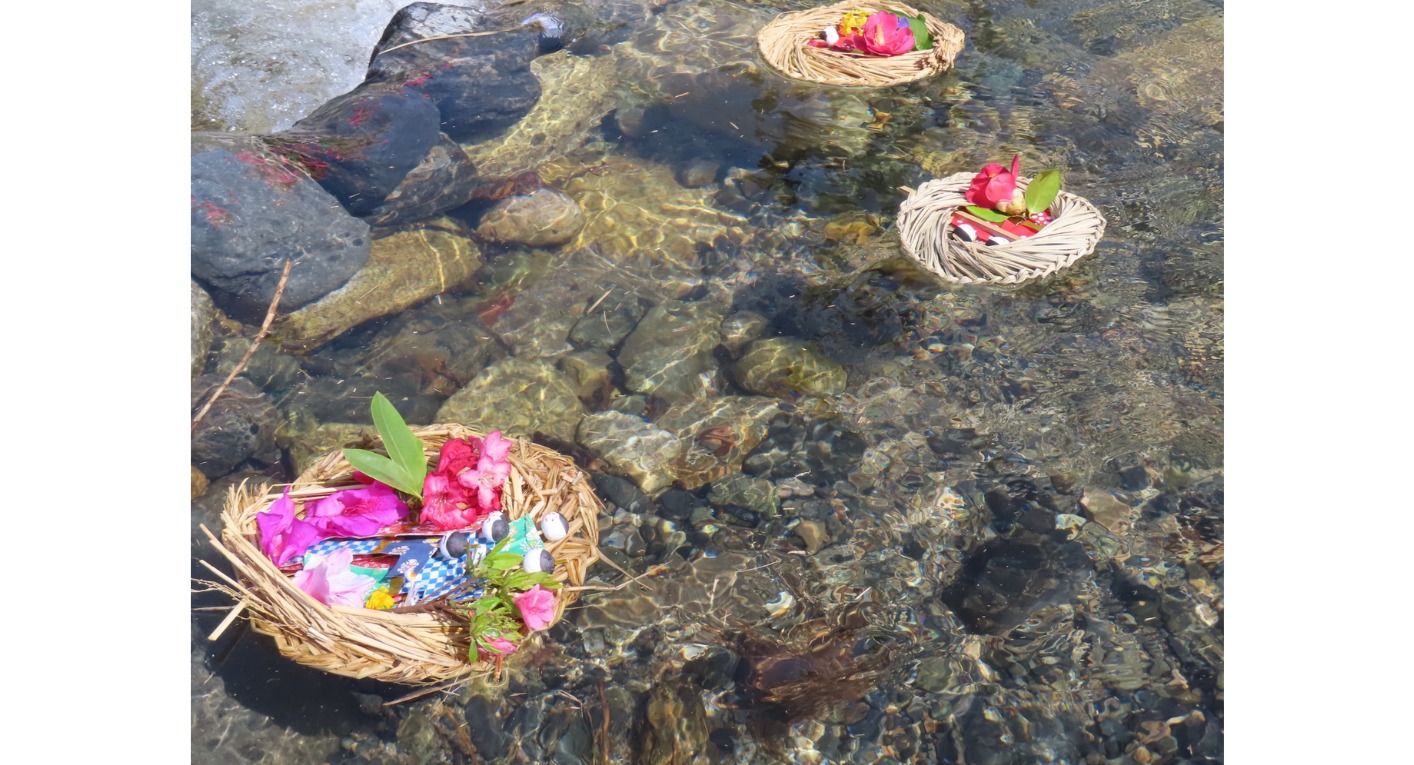
Nagashi-bina, a traditional purification ritual believed to have inspired the origin of Hina dolls.
The Origins of Hina Dolls
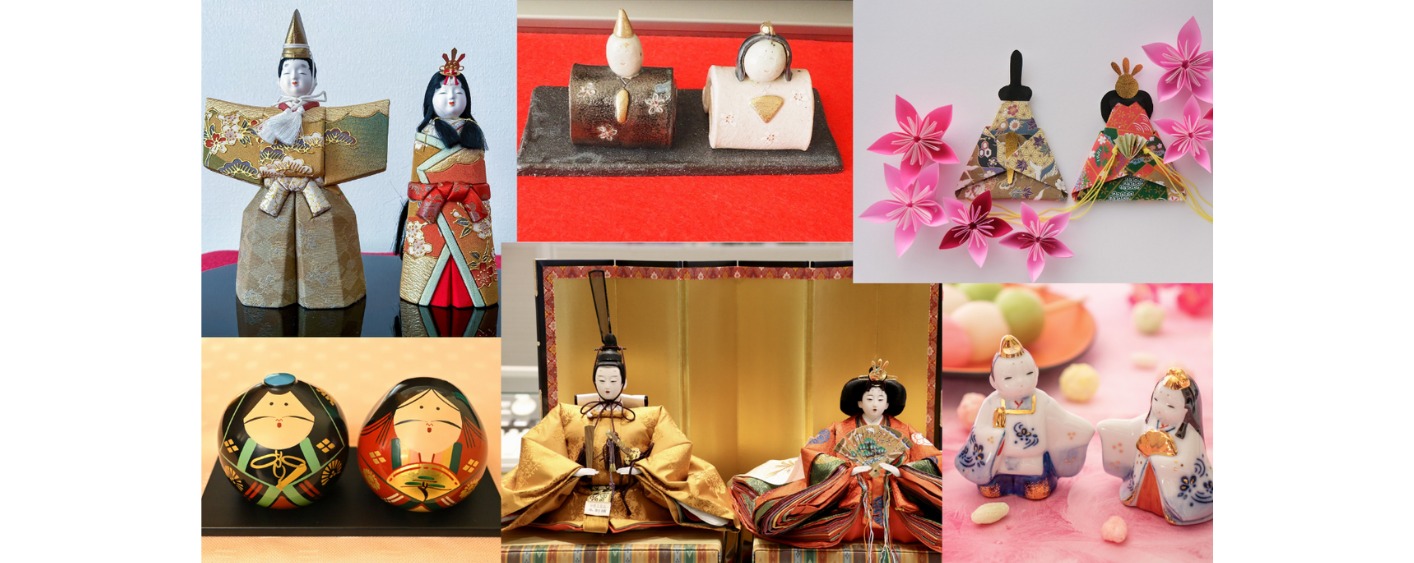
Hina dolls have been created in many forms and materials throughout Japan's history.
There Is No Single Type of Hina Doll
The Hidden Craftsmanship Inside Traditional Hina Dolls

A traditional Kimekomi Hina doll with fabric carefully tucked into carved grooves.
The Tradition of Kimekomi Dolls
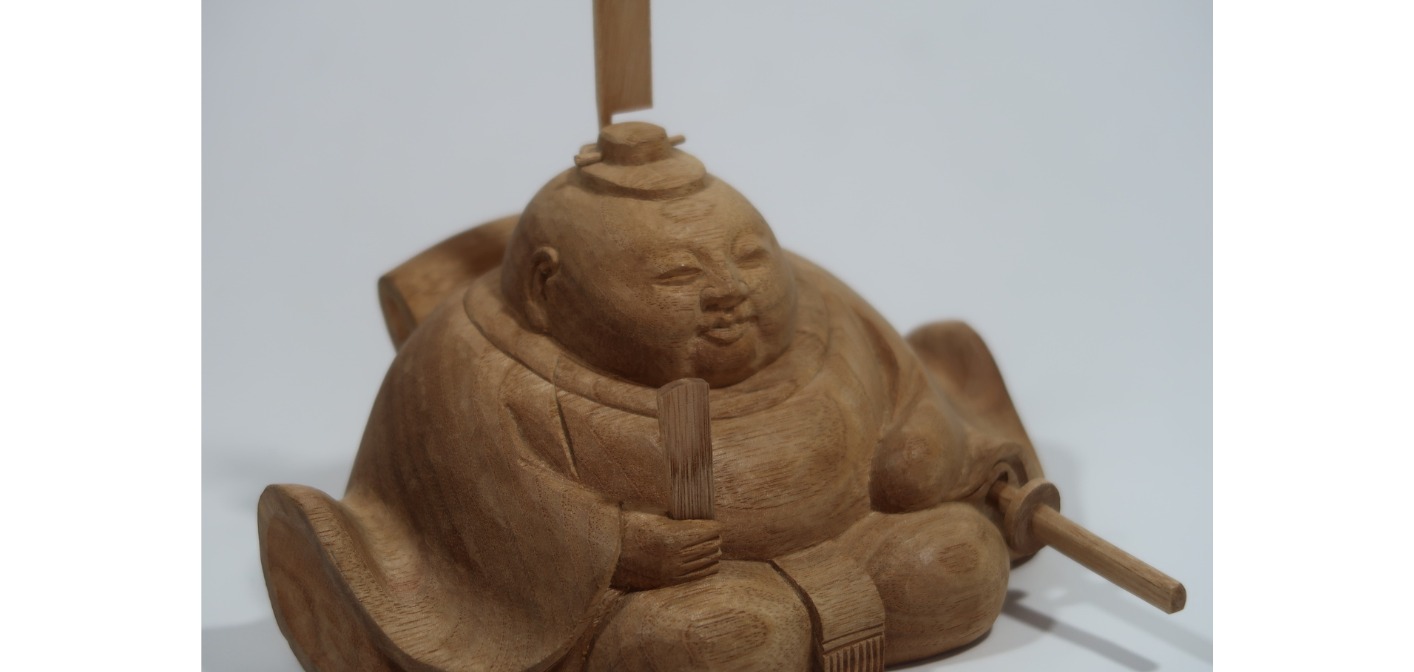
White Camphor (Shirogusu), prized for its fine grain and pale color.
The Beauty of Camphor Wood
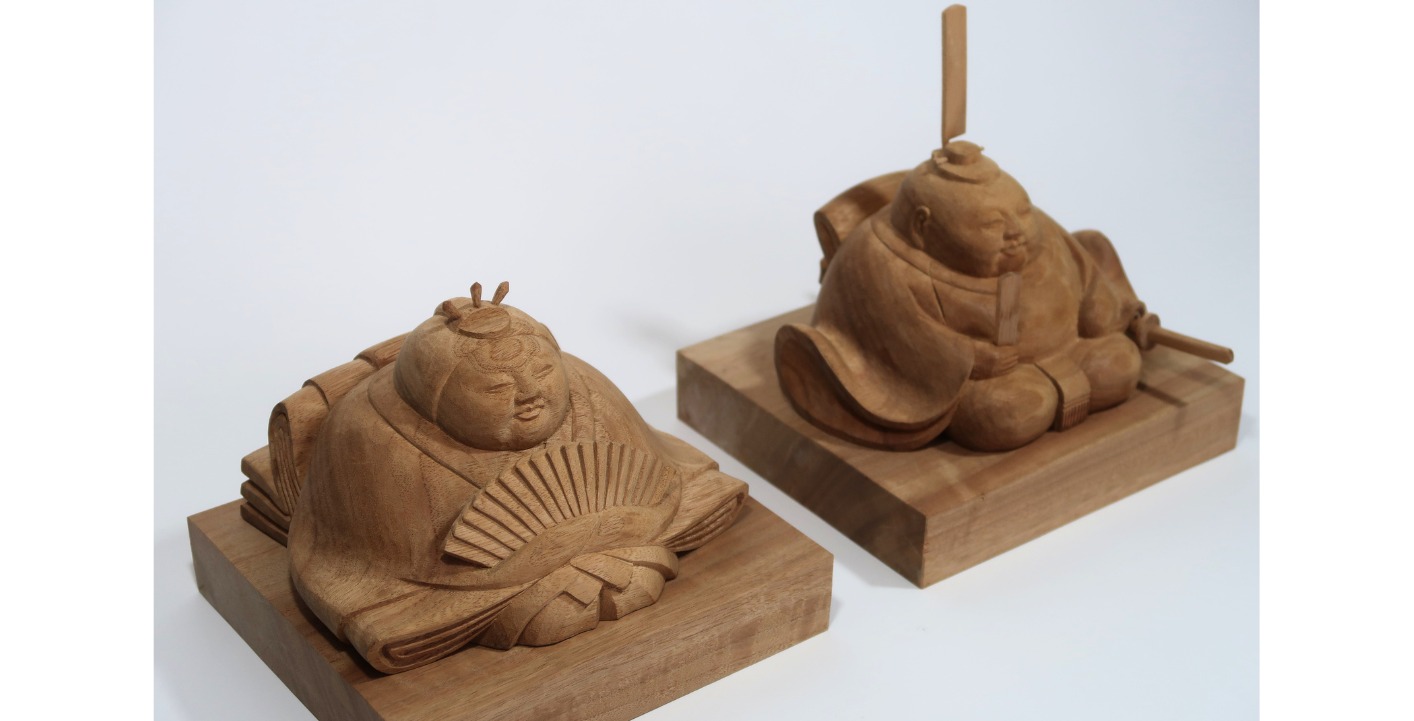
A unique pair of Hina dolls hand-carved by Nozomu Mori.
A Pair of Hina Dolls Unlike Any Other
A Different Kind of Beauty
Why Did Nozomu Mori Choose This Form?
A Father's Gift, Carved in Wood
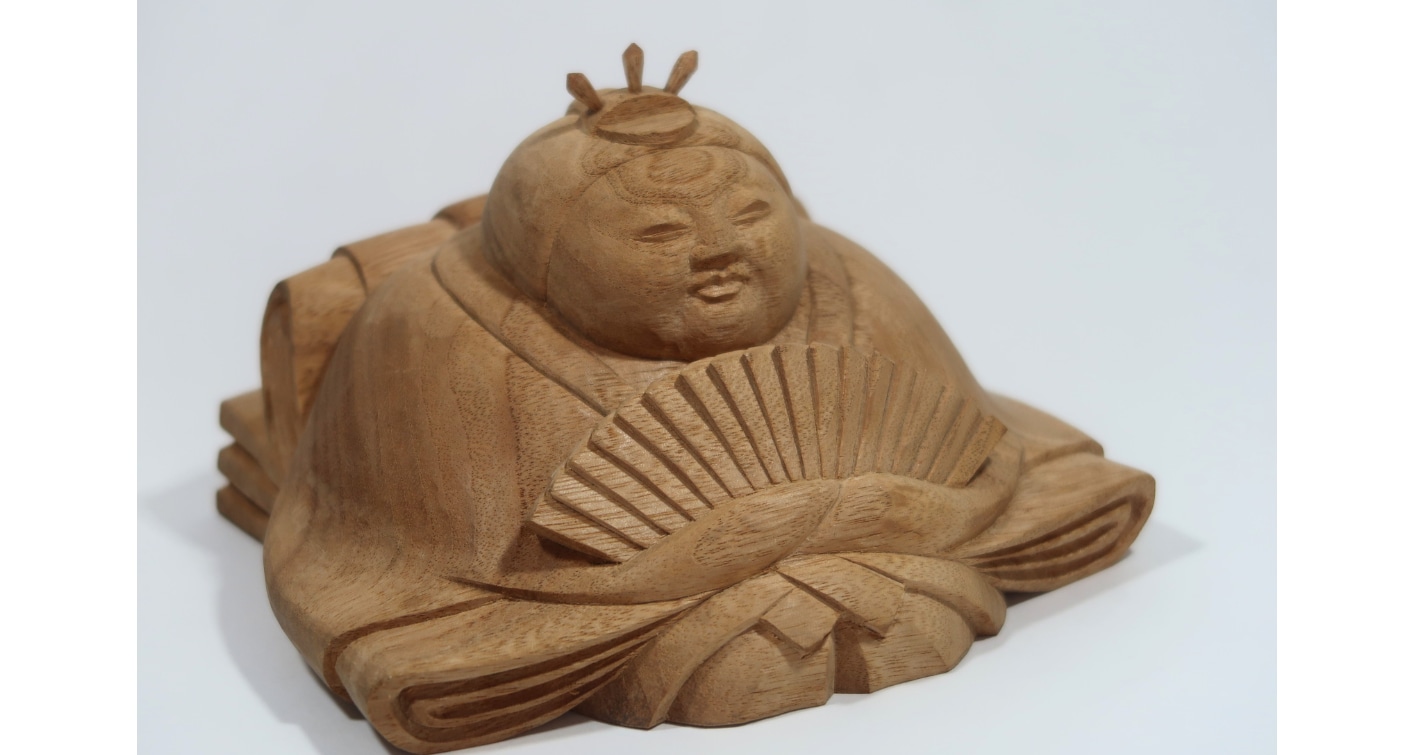
Discover the Original Sculpture
Related Reading