Blog
2026/06/29 15:04
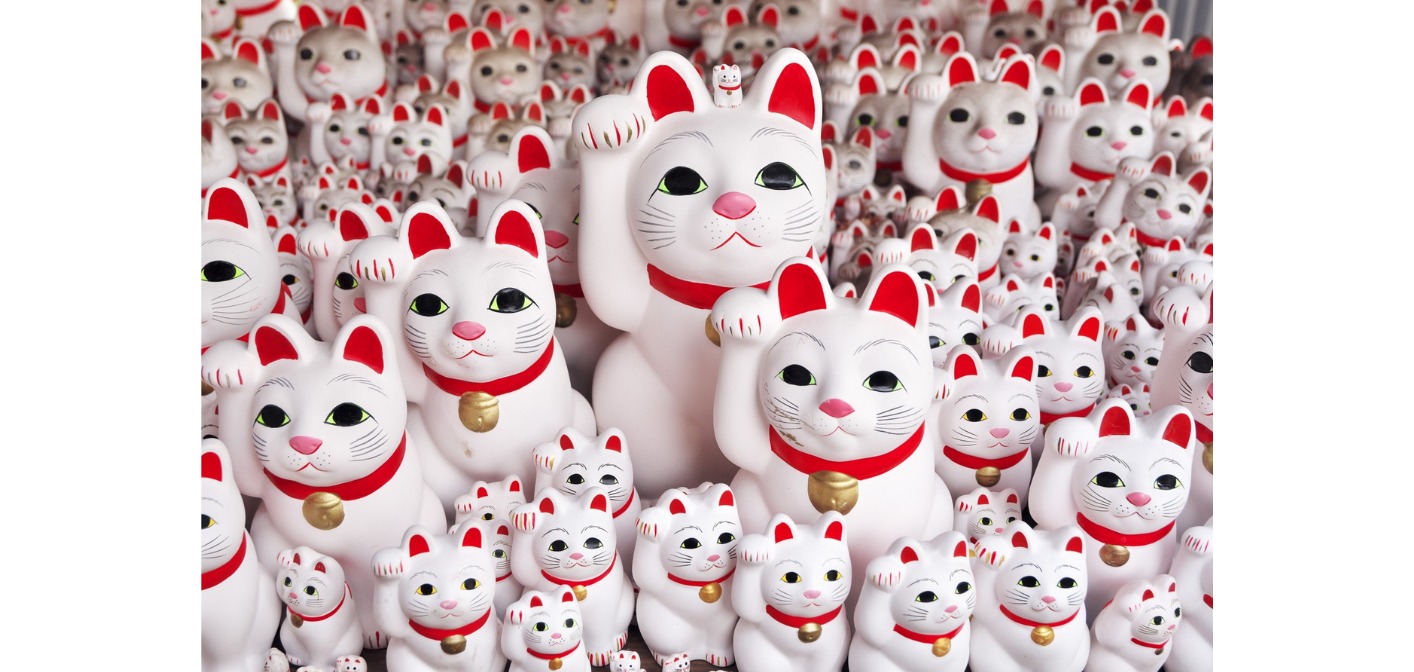
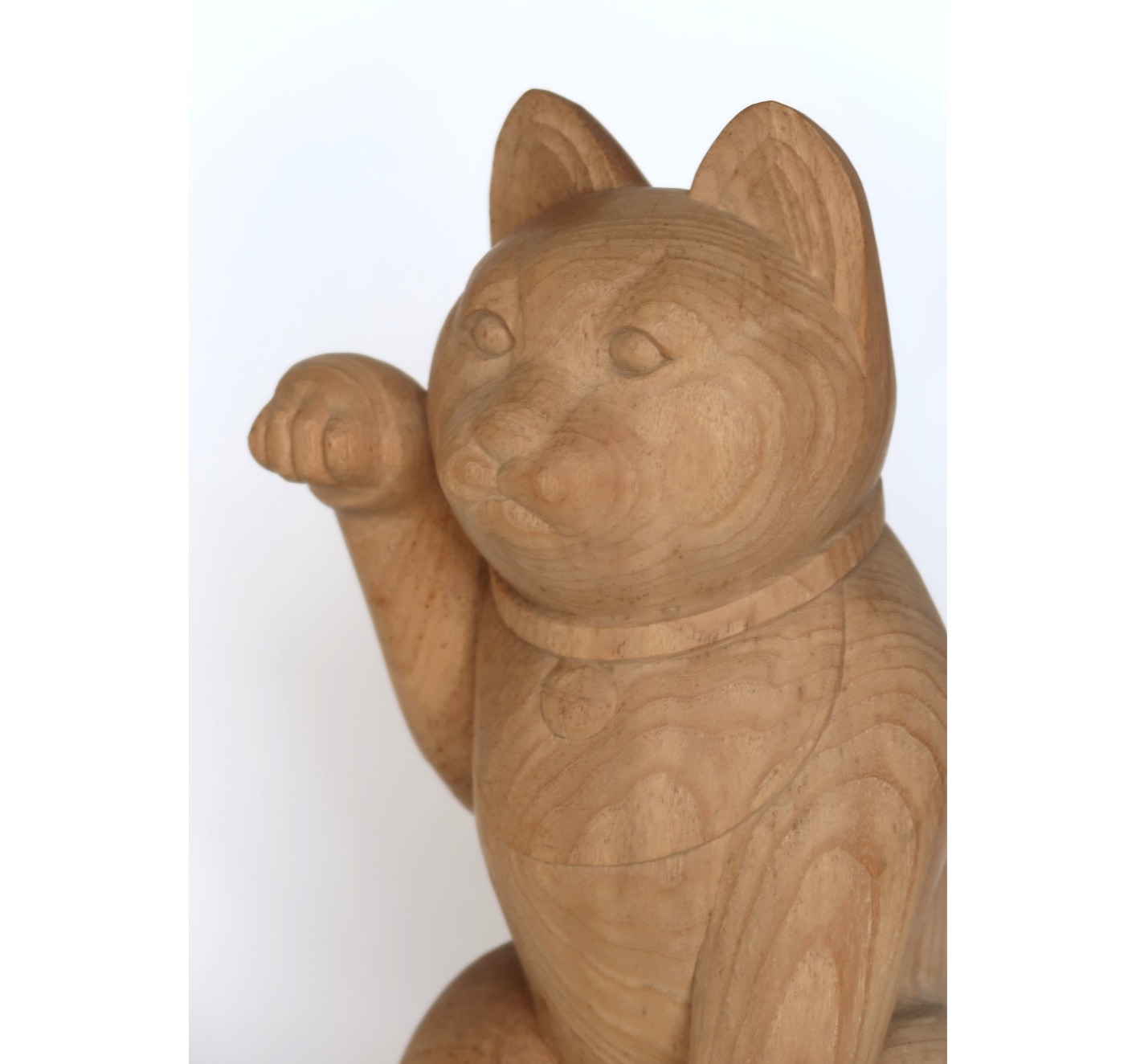
Old Seto-style Lucky Cat carved by Tessō Mori Today, the Maneki-neko, or Japanese Lucky Cat, is one of Japan's most recognizable cultural symbols. Its raised paw has welcomed visitors into shops and homes across Japan for generations. Today, it is also known around the world as the "Lucky Cat," admired not only as a symbol of good fortune but also as an icon of Japanese folk culture. Yet the Lucky Cat most people imagine today represents only one stage in a much longer history. The Lucky Cat carved by Tessō Mori belongs to an older tradition, one that differs from the familiar modern design. This article explores the history of the Maneki-neko, how its design evolved, and why Tessō Mori chose the Old Seto Lucky Cat. Maneki-neko have long been loved in Japan as symbols of good fortune. The Maneki-neko is a uniquely Japanese lucky charm that emerged from the merchant culture of the Edo period (1603–1868). Rather than originating in temples or the imperial court, it became part of everyday life and gradually grew into one of Japan's best-known symbols of good fortune. Although several origin stories exist, the best known is the legend of Gotokuji Temple in Tokyo. According to the story, a feudal lord followed a cat that appeared to beckon him into the temple grounds. Moments later, lightning struck the place where he had been standing. Since then, the Lucky Cat has been regarded as a symbol of protection and good fortune. Every detail of the Maneki-neko has symbolic meaning. Right paw raised: Invites wealth and good fortune. Left paw raised: Invites people, customers, and good relationships. Both paws raised: Invites both prosperity and visitors. The colors also carry meaning. The traditional calico cat is considered the luckiest. White symbolizes happiness. Black is believed to ward off evil. Gold represents financial prosperity. Even today, Lucky Cats quietly welcome visitors at the entrances of shops, restaurants, hotels, and homes throughout Japan. The Tokoname style became the familiar modern image of the Japanese Lucky Cat. During the nineteenth century, different pottery-producing regions developed their own styles of Lucky Cats. Among the best known are Seto Ware, Tokoname Ware, and Kutani Ware. Today, however, one design has become overwhelmingly familiar. Large round eyes. A cheerful smile. A raised paw. And a gold koban coin held proudly in front of its body. This is the Tokoname style, now regarded as the classic image of the Japanese Lucky Cat. Its friendly appearance has made it one of Japan's best-known cultural icons around the world. Unlike the modern Tokoname style, this Old Seto-inspired form has no gold coin and a quieter expression. Before the Tokoname style became widespread, another form already existed. Today it is known as the Old Seto Style (Ko-Seto). Its eyes are smaller. Its expression is calmer. Its form is simpler. Most notably, it does not hold a gold coin. Rather than emphasizing decoration, the Old Seto style expresses quiet elegance through simplicity. Although less familiar today, it remains highly regarded by collectors of traditional Japanese folk art and antiques. Tessō Mori never carved the familiar Tokoname-style Lucky Cat. Only he knew the true reason. But after spending many years working beside him, I believe I can imagine why. The Tokoname style is a beautifully completed design and has become the modern image of the Lucky Cat. Yet Tessō Mori was drawn to different kinds of beauty. He admired ancient Buddhist sculpture, antiques, historic temples, and objects that had quietly aged with time. Rather than pursuing popularity or cuteness, he sought forms that possessed dignity, restraint, and timeless beauty. Perhaps, somewhere during his travels or while studying antiques, he came across an Old Seto Lucky Cat and quietly thought, "This is the one I want to carve." Not because it was famous. Not because it would sell well. But because it reflected the kind of beauty that resonated with his own artistic eye. Japanese aesthetics have long valued simplicity over excess. The Old Seto Lucky Cat reflects that philosophy. With its small eyes, calm expression, and absence of a gold coin, it possesses a quiet dignity that grows more compelling the longer one looks. If the Tokoname style expresses friendliness and charm, the Old Seto style conveys a quieter sense of elegance. I believe this enduring beauty was one reason Tessō Mori chose this historic form. Outside Japan, the Lucky Cat is often seen simply as a symbol of good luck. In Japan, however, it also represents welcoming people, prosperity, happiness, and harmony into everyday life. For generations, it has quietly stood at the entrances of homes and shops as a wish for good fortune. Tessō Mori created only a small number of Lucky Cats. According to family recollections, he carved approximately five. Two have already entered private collections. Today, only three are known to remain in the Mori family collection. The sculpture presented here is one of those three. Unlike mass-produced ceramic Lucky Cats, this is a unique hand-carved wooden sculpture inspired by the historic Old Seto style. It reflects Tessō Mori's appreciation for Japanese folk art, antiques, and quiet beauty. For more than fifty years, Tessō Mori devoted himself to Japanese woodcarving. A Government-Certified Traditional Craftsman, he inherited the historic Kyoto master-carver name "Shinnojo Kuyama." This Lucky Cat reflects the same philosophy found throughout his work: respecting traditional forms while expressing his own sense of beauty through woodcarving. The Lucky Cat has long been one of Japan's most beloved lucky charms. Rather than choosing the familiar Tokoname style, Tessō Mori selected the quieter Old Seto style. Perhaps he simply chose the form he believed was truly beautiful. For those who appreciate Japanese craftsmanship, antiques, and understated elegance, this sculpture offers far more than a traditional Lucky Cat. It is both a symbol of good fortune and a reflection of Tessō Mori's artistic vision. One of the few Lucky Cats created by Tessō Mori. For detailed photographs, dimensions, and purchasing information, please visit the product page below. → View the ArtworkThe Japanese Lucky Cat
Why Tessō Mori Chose the Old Seto Lucky Cat

What Is a Maneki-neko?
The Meaning Behind the Lucky Cat
From Folk Craft to a Symbol of Japan

Another Kind of Lucky Cat
Why Tessō Mori Chose the Old Seto Lucky Cat
The Beauty of Quiet Simplicity
More Than a Symbol of Good Fortune
One of the Few Lucky Cats Created by Tessō Mori
A Living Tradition of Woodcarving
What the Old Seto Lucky Cat Represents

Discover the Original Lucky Cat by Tessō Mori
Related Reading