Blog
2026/06/24 10:35
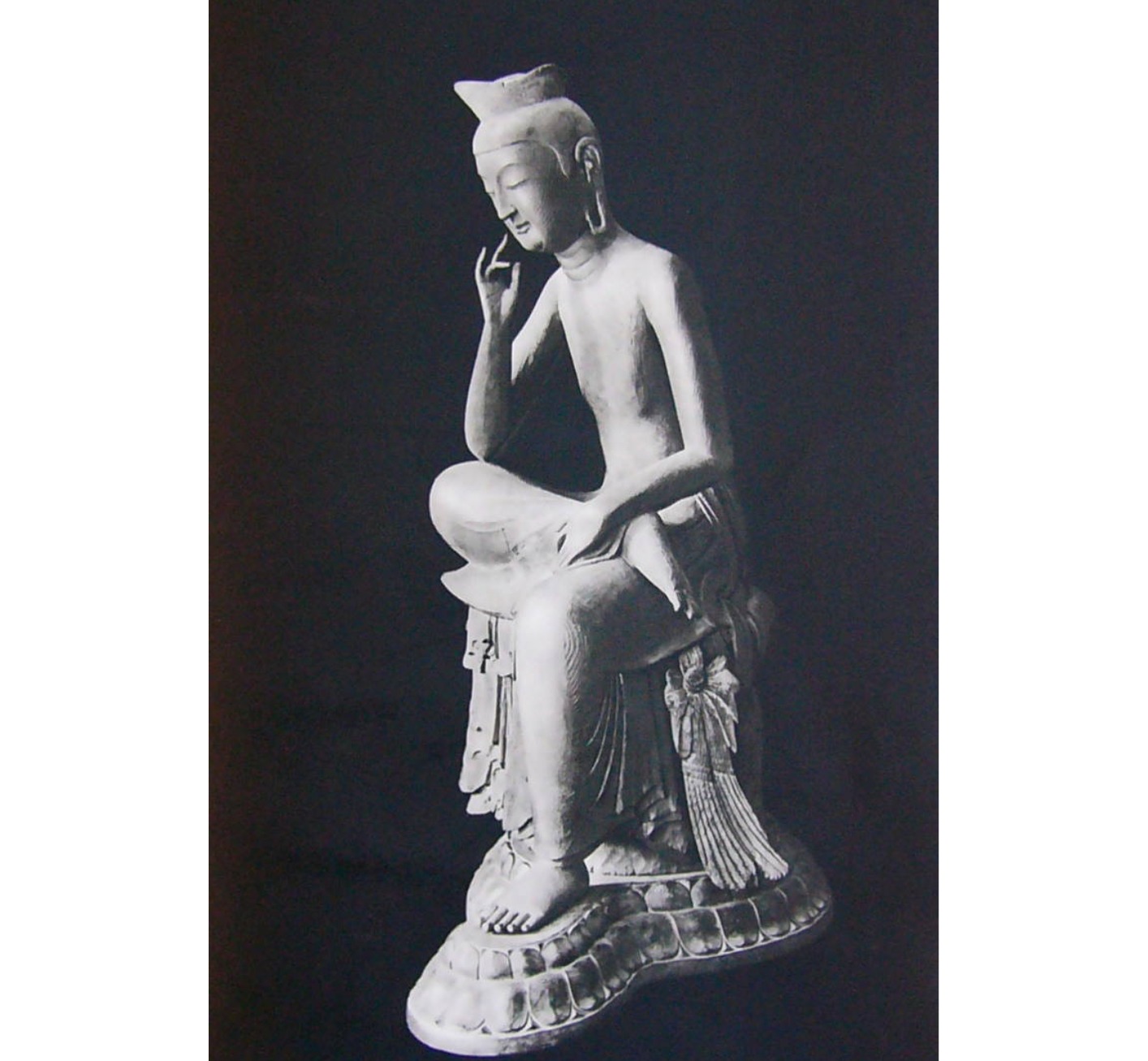
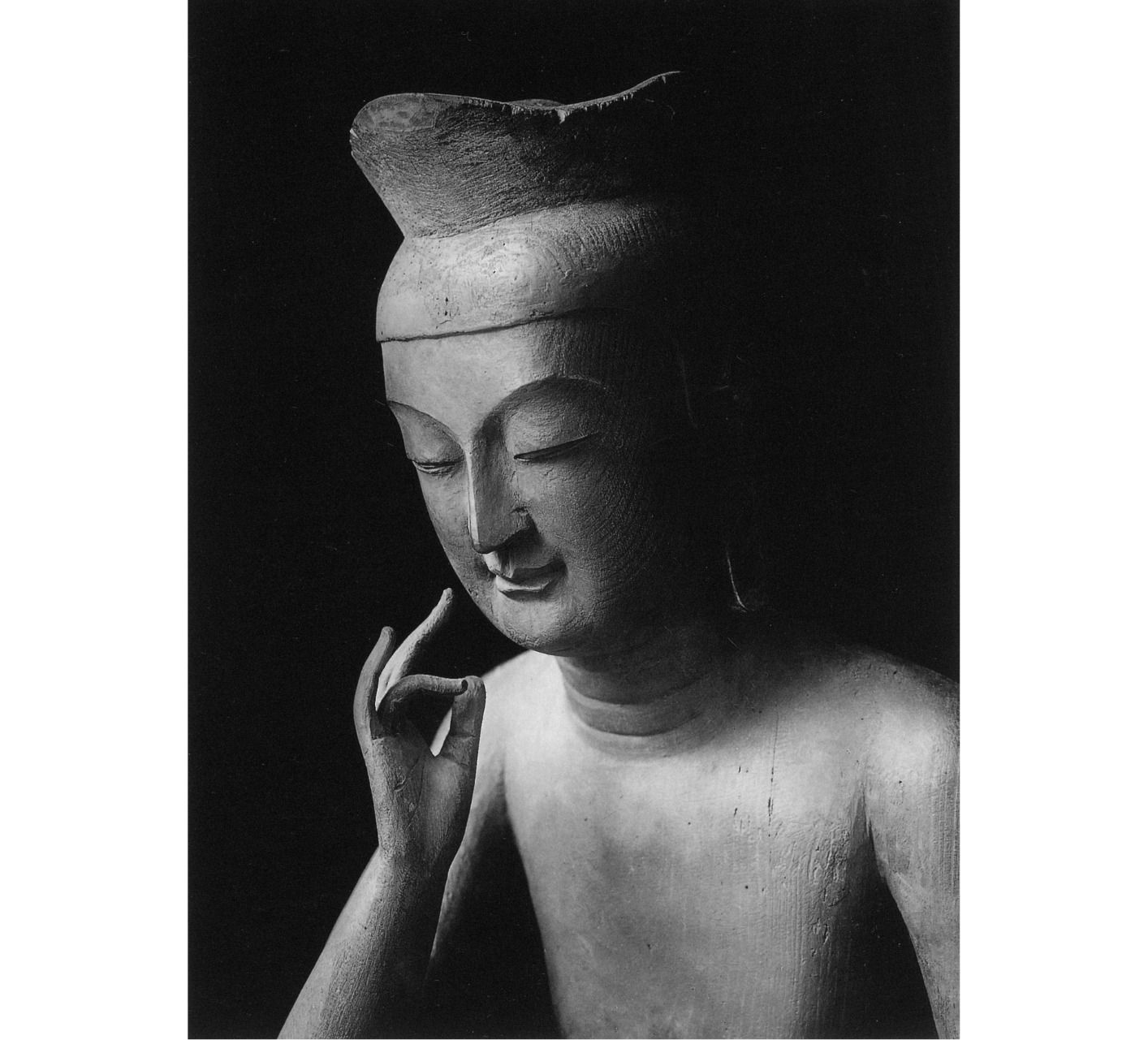
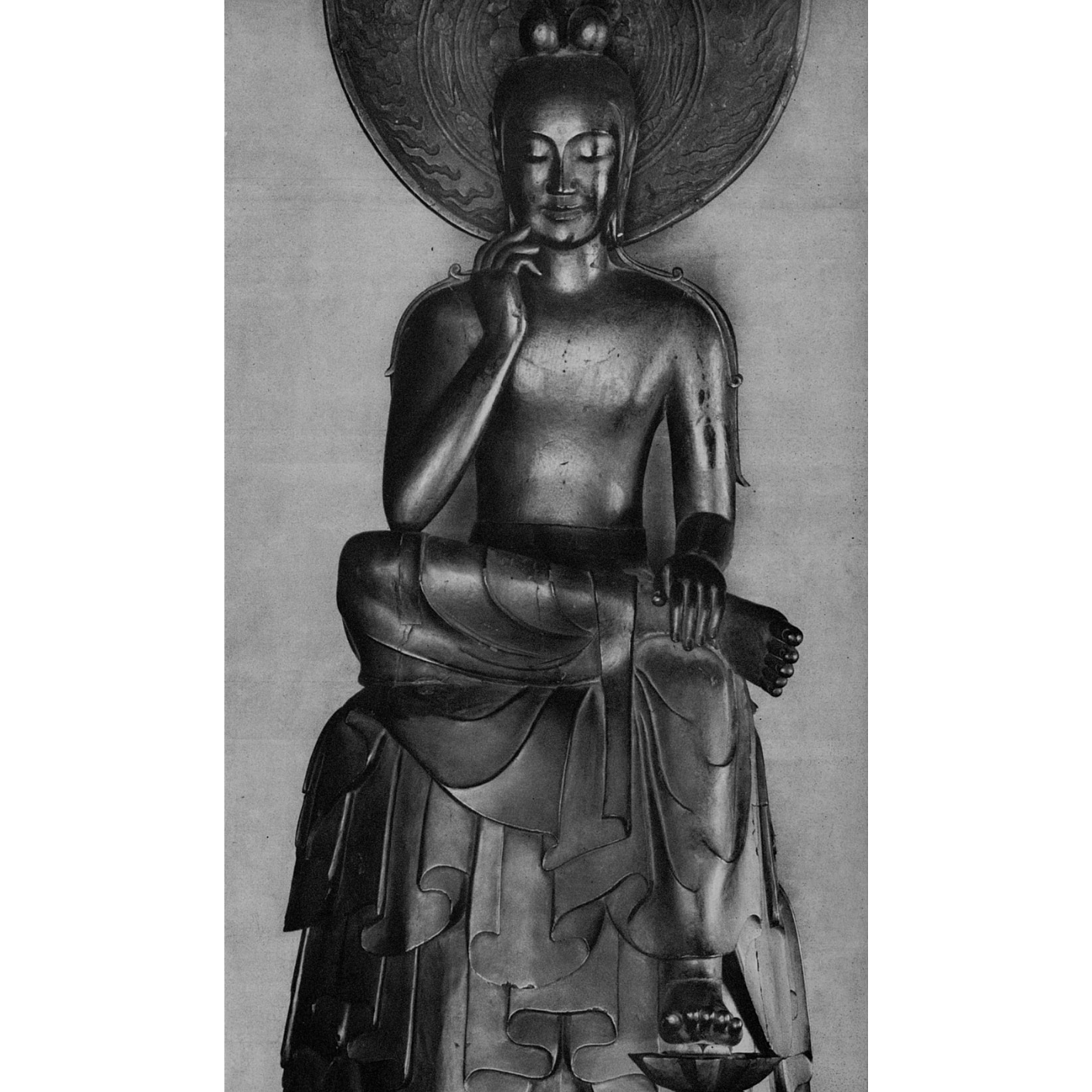
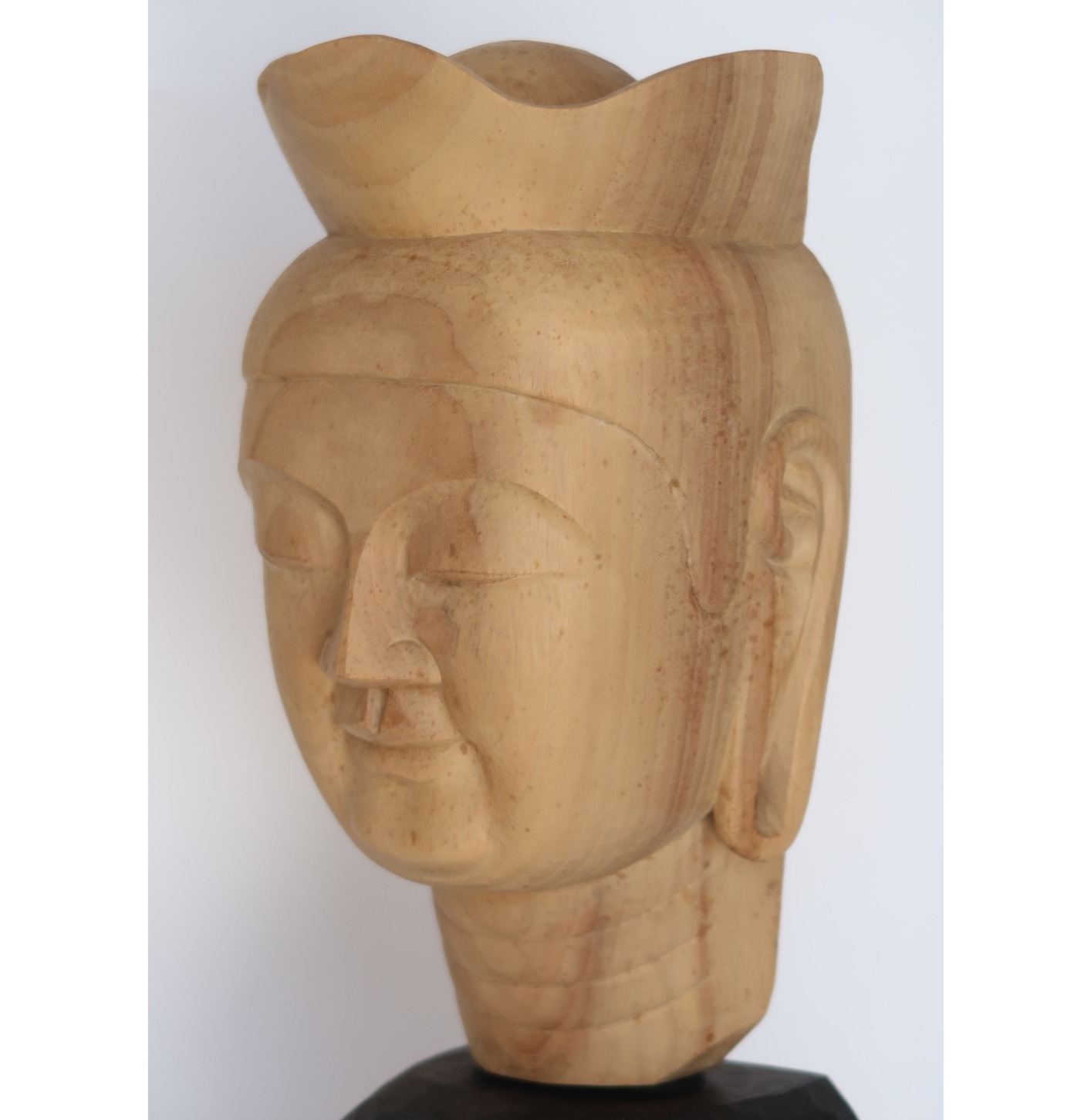
Maitreya Bodhisattva The Quiet Smile and the Japanese Sense of Beauty The famous Maitreya Bodhisattva of Kōryū-ji Temple, Kyoto — one of Japan's most beloved Buddhist sculptures. Many visitors to Japan notice that one image appears again and again among the countless Buddhist sculptures preserved in Kyoto and Nara. It appears in museum books, postcards, art exhibitions, and for generations has even been sold as a popular souvenir near temples and historical sites. The image is not that of a powerful guardian king. It is not a fierce deity surrounded by flames. It is not even the historical Buddha. Instead, it is the gentle face of Maitreya Bodhisattva. Known in Japanese as Miroku Bosatsu, Maitreya is one of the most beloved figures in Japanese Buddhist art. For more than thirteen centuries, Japanese people have continued to admire his quiet smile. Why? The answer may reveal something deeper about Japanese culture itself. The Future Buddha In Buddhist tradition, Maitreya is known as the Future Buddha. Shakyamuni Buddha belongs to the present age. Maitreya belongs to the future. According to Buddhist belief, he will one day descend to the world, attain enlightenment, and guide humanity toward wisdom and compassion. Until that distant future arrives, Maitreya remains a bodhisattva — a being who continues to practice while contemplating how to save others. The Famous Contemplative Pose Many images of Maitreya are shown in what is called the Half-Lotus Contemplative Pose. One leg rests upon the opposite knee. A finger lightly touches the cheek. The head tilts slightly downward. The figure appears lost in thought. Japanese tradition interprets this pose as Maitreya contemplating how best to help suffering people. The Statue That Captured Japan's Heart The most famous image of Maitreya in Japan stands at Kōryū-ji Temple in Kyoto. Designated as Japan's first National Treasure sculpture, it is considered one of the masterpieces of world art. Its face is remarkably simple. The eyes are narrow. The mouth is barely curved. The expression seems to exist somewhere between joy and sorrow. For this reason, many people have compared it to the Mona Lisa. Like Leonardo's masterpiece, its expression cannot be fully explained. Each viewer seems to discover something different within its expression. Why Japanese People Love Maitreya Many explanations have been offered, from Buddhist belief to philosophy and the contemplative pose itself. Yet many Japanese people seem to respond to something more difficult to define: a quiet and timeless beauty. The statue does not impress through grandeur. It does not overwhelm through decoration. Instead, it invites a slower kind of appreciation. One stands before it and simply feels that it is beautiful. Simply and quietly beautiful. Wabi-Sabi and the Beauty of Simplicity Perhaps this response is connected to one of the central ideas of Japanese aesthetics: wabi-sabi. Although difficult to translate, wabi-sabi finds beauty in simplicity, imperfection, age, and quietness. The Maitreya of Kōryū-ji seems to embody a similar spirit. Its beauty is not based on elaborate ornament. Its power comes from restraint. Everything unnecessary has been removed. Only the essential remains. This is an aesthetic ideal deeply rooted in Japanese culture. The Beauty of Time Historians believe that many ancient Buddhist statues were originally far more colorful than they appear today. Gold leaf and pigments once covered many ancient statues. Centuries later, much of that surface has disappeared. What remains is wood. Form. Expression. Time itself has become part of the artwork. Rather than diminishing beauty, age has deepened it. This idea is central to Japanese aesthetics. Things do not become beautiful despite age. They become beautiful through age. Looking Beyond the Physical Perhaps this raises a larger question. What is beauty? Why does one work of art move us while another leaves us untouched? The answer cannot be measured. Beauty exists beyond technique, material, and explanation. A sculpture is physically made of wood, stone, or metal. Yet when we are truly moved by art, we seem to encounter something beyond the material object itself. Either way, the experience remains difficult to describe. We simply know that something has touched us. Bodhisattva in Half-Lotus Contemplation (National Treasure), Chūgū-ji Temple, Nara. Why Tessō Mori Carved This Smile This may help explain why Tessō Mori was drawn to the smile of ancient Buddhist sculpture. Throughout more than fifty-five years of carving, he created countless works. Temple carvings, architectural ornament, Buddhist figures, and relief sculptures. Yet certain images remained with him throughout his life. Among them was the mysterious smile found in Japan's great contemplative bodhisattvas. No one can fully know. But it is difficult to imagine that he devoted himself to such forms without having felt something profound in their presence. Artists often create not because they possess answers, but because they have experienced wonder. The desire to express that wonder becomes the beginning of art. Why Only the Head? One of the most striking aspects of this work is that it is a Buddha head rather than a complete seated figure. By removing the body, attention focuses entirely upon the face. The viewer meets the expression directly. The smile, the eyes, and the stillness. Nothing distracts from the encounter. The sculpture becomes less about religious narrative and more about human experience. It asks no doctrine. It offers no explanation. It simply invites contemplation. A Smile Beyond Words Perhaps this is why the smile of Maitreya continues to resonate after thirteen centuries. It cannot be reduced to a single meaning. It is not merely Buddhist. It is not merely Japanese. It speaks to something universal. Compassion, reflection, and hope. The possibility that wisdom may still emerge from silence. For generations, Japanese people have found comfort in that smile. Today, through the hand-carved work of Tessō Mori, that quiet tradition continues. The Eternal Smile An Original Maitreya Bodhisattva Head by Tessō Mori Discover the Artwork Inspired by the timeless beauty of Japan's great contemplative bodhisattva images, this original sculpture reflects a lifelong fascination with the quiet mystery of the Maitreya smile. 【View Artwork】 Related Reading • The Art of Appreciating Buddha Heads •Why Is Japanese Wood Sculpture So Valuable? •Keepers of a Living Tradition