Blog
2026/06/19 18:58
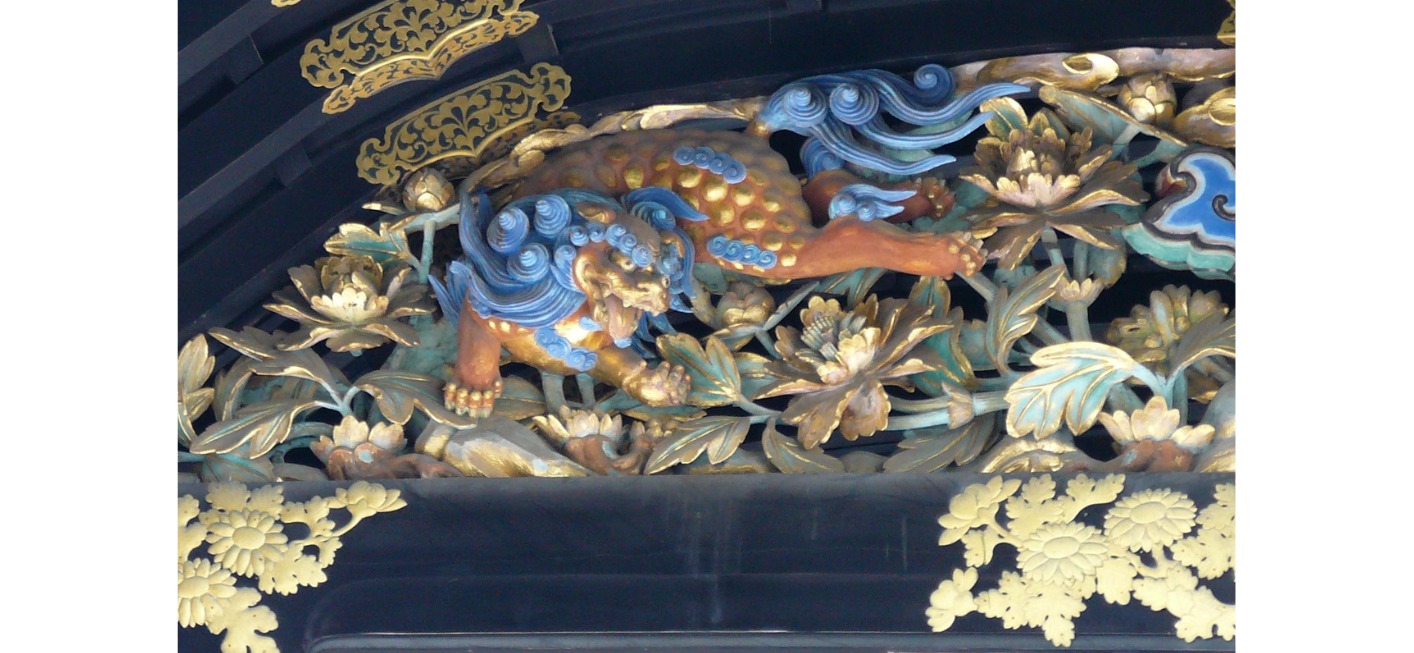
Peonies in a Fan of Light Hand-carved wood relief by Tessō Mori Among the many flowers celebrated in Japanese culture, few have been loved as deeply as the peony. Known in Japan as botan (牡丹), the peony is admired for its large blossoms, rich colors, and dignified beauty. Although originally introduced from China, it became so deeply rooted in Japanese culture that today it is regarded as one of the country's most auspicious and beloved flowers. For centuries, the peony has symbolized prosperity, happiness, honor, and long life. Its magnificent appearance earned it the title “King of Flowers”, a name that continues to be used throughout East Asia. The peony first arrived in Japan during the Nara period (710–794), originally as a medicinal plant. Over time, however, people became captivated by its extraordinary beauty. By the Heian period, peonies were cultivated in temple gardens and aristocratic residences, where they were admired as symbols of refinement and elegance. Inspired by Chinese tradition, the Japanese associated the flower with wealth and good fortune. It became known as Fūkika (富貴花), literally meaning “the flower of prosperity and nobility.” This symbolism remains alive today. Peonies frequently appear on kimono, ceramics, lacquerware, screens, and countless decorative arts as auspicious motifs believed to bring abundance and happiness. In Japanese aesthetics, flowers often represent different ideals of beauty. Cherry blossoms embody what might be called the beauty of subtraction. Their delicate petals appear briefly before falling away, reminding us of impermanence and simplicity. The peony represents the opposite. Its layers of petals, vibrant presence, and luxurious form embody a beauty of abundance—a celebration of fullness, vitality, and prosperity. For this reason, the peony has long been associated with strength, success, and flourishing life. Even today, winter peonies blooming beneath protective straw shelters are treasured as a uniquely Japanese seasonal scene, admired for their grace and resilience. https://colbase.nich.go.jp/ The peony has inspired generations of artists, poets, and craftsmen. It appears in folding screens, hanging scrolls, ukiyo-e prints, and bird-and-flower paintings. Artists such as Itō Jakuchū immortalized its beauty in some of Japan's most celebrated masterpieces. The flower also appears in poetry and seasonal literature, where it is associated with late spring and early summer. One of the most influential cultural connections is found in the classical Noh play Shakkyo (“The Stone Bridge”). Set in the paradise of the Bodhisattva Monju, the play depicts a lion dancing among blooming peonies. This story established the enduring Japanese motif of “Lion and Peony” (Shishi Botan), symbolizing courage, nobility, and spiritual power. Even today, lion-and-peony designs remain among the most beloved themes in Japanese art. Peony carving on the Karamon Gate of Nishi Hongan-ji Temple, Kyoto. For many people outside Japan, it may come as a surprise to discover how often peonies appear in religious woodcarving. Yet throughout Japan, peonies are among the most frequently carved motifs found in temples, shrines, Buddhist altars, and sacred furnishings. In traditional Japanese carving, it is sometimes said that decorative floral motifs are dominated by just two flowers: the chrysanthemum and the peony. The chrysanthemum symbolizes longevity, purity, and imperial dignity. The peony symbolizes prosperity, abundance, happiness, and flourishing life. Together they became essential decorative elements in Japanese sacred architecture. Visitors to temples and shrines across Japan can find peonies carved into transoms, altars, pillars, offering tables, and ornamental panels. Generations of master carvers developed highly sophisticated techniques to express the flower's layered petals and graceful movement in wood. The peony therefore represents not only beauty, but also centuries of craftsmanship and cultural memory. The peony relief shown here follows this long artistic tradition. Hand-carved in wood, it celebrates a flower that has inspired Japanese artists and craftsmen for more than a thousand years. More than a decorative motif, the peony carries wishes for prosperity, happiness, longevity, and the flourishing of life itself. Its enduring presence in temples, shrines, and traditional woodcarving reminds us that beauty and good fortune have long been inseparable in Japanese culture. Even today, the “King of Flowers” continues to bloom—not only in gardens, but also in the hands of craftsmen who preserve Japan's living artistic traditions. The relief featured in this article was hand-carved by Tessō Mori approximately twenty years ago and remains the only surviving fan-shaped peony relief by the artist in the Mori family collection. Discover the artwork and its story below. View the Artwork → The Peony in Japanese Culture
Why the “King of Flowers” Appears So Often in Japanese Woodcarving

From Medicine to Symbol of Prosperity
The Peony and the Japanese Sense of Beauty
Peonies in Japanese Art and Literature

Why Peonies Are Carved in Temples and Buddhist Altars
A Flower That Continues to Inspire

Related Reading