Blog
2026/06/17 18:23
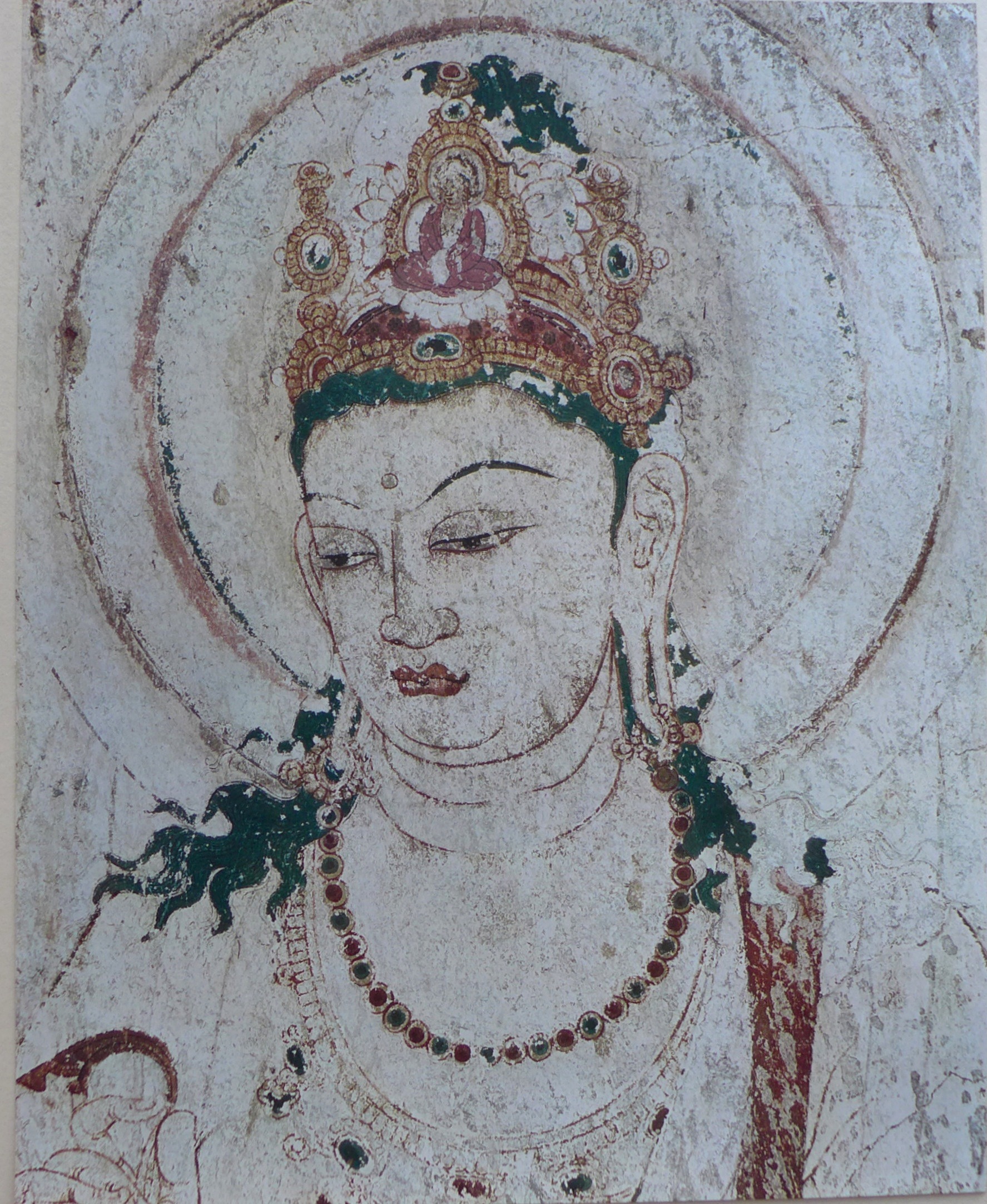
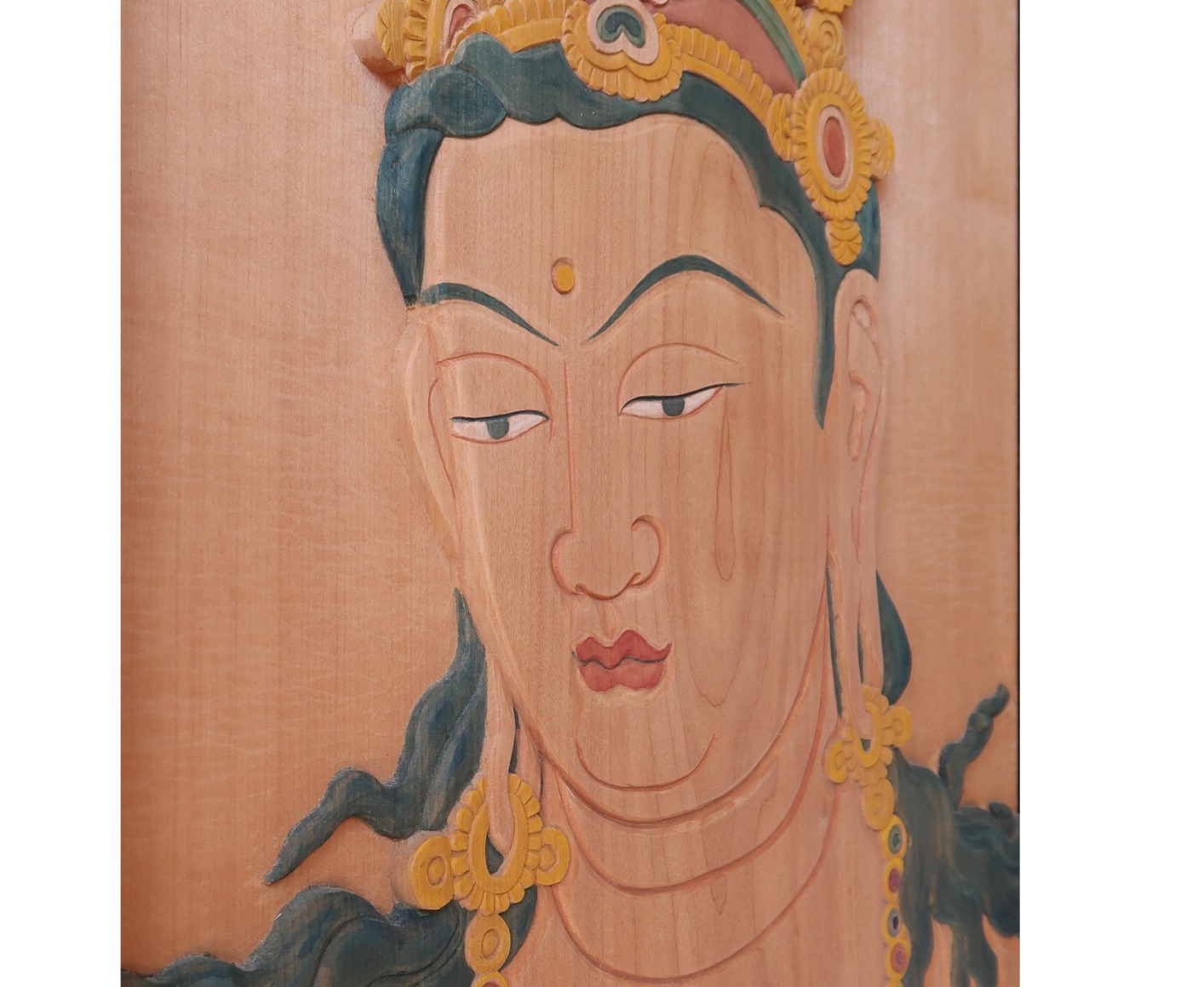
Many people around the world are familiar with Buddhism. They may know the Buddha. They may know Zen. They may know the Samurai tradition that emerged from Japanese history. Yet far fewer people are familiar with one of the most beloved figures in Asian spirituality: Kannon Bodhisattva. Who is Kannon? Why has this figure inspired artists, monks, and ordinary people for more than a thousand years? And why does Kannon appear so frequently in Japanese art? To understand Kannon, it is first necessary to understand the meaning of the word “Bodhisattva.” In Buddhism, a Bodhisattva is a being who seeks enlightenment while dedicating themselves to helping others. Rather than pursuing liberation for themselves alone, a Bodhisattva continues to assist those who suffer, guiding them toward wisdom and compassion. The idea originated in India and spread throughout Asia along the Silk Road, evolving in different ways as Buddhism took root in different cultures. Today, Bodhisattvas are widely known throughout the Buddhist world. In China, Taiwan, Korea, Japan, Tibet, Mongolia, and many other regions, they remain important objects of devotion and artistic inspiration. Among the many Bodhisattvas that appear in Buddhist tradition, none is more beloved than Kannon. Kannon Bodhisattva is known as the embodiment of compassion. In Sanskrit, this figure is known as Avalokiteśvara. Throughout Asia, countless people have prayed to Kannon for protection, comfort, guidance, and relief from suffering. In China, Kannon became known as Guanyin. In Korea, Gwaneum. In Tibet, Chenrezig, one of the most important figures in Tibetan Buddhism. Although the names differ, the essential meaning remains the same. Kannon is the compassionate presence that hears the cries of those who suffer and responds with wisdom and kindness. This universal message is one reason why Kannon became one of the most frequently depicted figures in Buddhist art. Even today, visitors to Japanese temples often encounter statues or paintings of Kannon more often than those of many other Bodhisattvas. The sheer number of surviving examples demonstrates how deeply Kannon has been loved and venerated across generations. In Japan, Kannon is commonly called either Kanzeon Bosatsu or Kanjizai Bosatsu. These names originated from different translations of ancient Buddhist scriptures as they traveled from India to China and eventually to Japan. The famous monk Xuanzang, known in Japan as Genjō Sanzō, favored the translation Kanjizai. The two names express slightly different aspects of the same spiritual ideal. Kanzeon can be understood as “the one who hears the voices of the world.” It emphasizes the compassionate act of listening to the suffering of others. Kanjizai can be understood as “the one who freely perceives reality.” It suggests profound awareness and the ability to observe the nature of existence without attachment. Both names describe different dimensions of compassion and wisdom. The name Kanjizai is particularly interesting from a modern perspective. It suggests the ability to observe thoughts, emotions, and experience with freedom and clarity. For many people, this idea resonates with meditation practices such as Zen meditation and Vipassanā meditation. Although separated by centuries, the image of Kannon can be seen as a symbol of mindful awareness. Rather than reacting automatically to the world, Kannon observes clearly and responds compassionately. In this sense, Kannon continues to offer inspiration even to people who approach Buddhism through meditation rather than religious devotion. One of the most celebrated images of Kannon in Japan once appeared in the murals of Hōryū-ji Temple in Nara Prefecture. Hōryū-ji is a UNESCO World Heritage Site and is famous for possessing some of the oldest surviving wooden architecture in the world. The murals of its Golden Hall were created between the late seventh and early eighth centuries and were considered among the greatest achievements of Asian Buddhist painting. Art historians often compared them to the murals of Ajanta in India and Dunhuang in China. Tragically, much of the original mural cycle was destroyed in a fire in 1949. Fortunately, copies had been made before the disaster, preserving the appearance of many of the paintings. Among them was the image known as the Kannon Bodhisattva of Wall No. 6. Kannon Bodhisattva, Wall No. 6, Golden Hall of Hōryū-ji Temple (Public Domain) The figure is admired for its gentle expression, elegant proportions, and flowing robes. It remains one of the most iconic representations of Kannon in Japanese art history. The wood relief created by Tessō Mori was inspired by this historic image from Hōryū-ji. Kannon Bodhisattva, hand-carved wood relief by Tessō Mori Rather than reproducing the painting exactly, Mori translated its spiritual atmosphere into wood. The graceful lines of the robes, the calm expression, and the quiet dignity of the original image are reinterpreted through traditional Japanese carving techniques. Wood responds to light differently than paint. As light changes throughout the day, shadows shift across the carved surface, revealing new details and subtle variations in expression. In this way, the work becomes a dialogue between ancient Buddhist art and the living tradition of Japanese woodcarving. For centuries, Kannon has represented compassion, wisdom, and hope. Artists across Asia have returned to this image again and again, finding new ways to express the same timeless ideals. Whether encountered in a temple, a painting, a sculpture, or a carved relief, Kannon continues to speak to people across cultures and generations. The image endures not only because of its religious significance, but because it expresses a universal human aspiration: to see clearly, to act compassionately, and to bring peace to the world around us. The relief featured in this article was hand-carved by Tessō Mori and is one of three known Kannon reliefs created by the artist and remaining in the Mori family collection. View the Artwork →Kannon Bodhisattva
Compassion, Beauty, and Spiritual Tradition
What Is a Bodhisattva?
The Bodhisattva of Compassion
Kannon, Kanzeon, and Kanjizai
Kannon and Meditation
The Hōryū-ji Murals
From Ancient Mural to Woodcarving

A Living Tradition
Related Reading