Blog
2026/06/11 18:59
Founder of Mori Carving Studio Tessō Mori devoted more than sixty years of his life to the art of woodcarving and founded Mori Carving Studio in 1971. Today, he is remembered not only as a master craftsman, but as an artist who continually searched for beauty beyond the boundaries of tradition. His work was deeply rooted in the techniques of Japanese temple carving and Buddhist sculpture. Yet his imagination reached far beyond those traditions. Throughout his life, he sought to unite traditional craftsmanship with artistic freedom, breathing vitality, movement, and spirit into every piece of wood he touched. That pursuit became the defining theme of his life. ──────────────── Although Tessō lived within the world of traditional Japanese woodcarving, tradition alone was never enough for him. As a young man, he became fascinated by Western art, particularly the work of Pablo Picasso. The freedom of expression, bold forms, and originality that characterized modern Western art left a profound impression on him. At the same time, he was captivated by The Beatles and the creative energy that swept through postwar culture. While many craftsmen focused solely on preserving inherited techniques, Tessō searched for ways to express individuality through those traditions. He painted, created woodblock prints, and explored artistic expression beyond the conventional boundaries of religious carving. For a time, he even dreamed seriously of becoming a professional artist. Although that path ultimately led him back to woodcarving, the artistic sensibility he cultivated during those years remained with him throughout his life and became one of the defining characteristics of his work. Painted during his early years, when he aspired to become an artist before fully dedicating himself to woodcarving. ──────────────── Kaminyū in Maibara, Shiga Prefecture has long been known as one of Japan's historic woodcarving villages. Surrounded by wood, tools, and craftsmen from childhood, Tessō naturally grew familiar with the world that would eventually shape his life. At the age of fifteen, his father, Hideo Mori, encouraged him to begin learning the craft. “You should begin while your hands are still soft.” Following those words, Tessō became his father's apprentice and began training as a woodcarver. Only one year later, tragedy struck. His father passed away unexpectedly when Tessō was sixteen years old. The loss forced him to mature quickly, but he did not abandon the path that had been opened before him. He later studied under the sculptor Daizō Mori in Tokyo before moving to Kyoto, where he apprenticed under his uncle, Tsunezō Kitagawa, learning the highly refined techniques of Kyoto Buddhist altar and ritual carving. The combination of Tokyo's artistic atmosphere and Kyoto's traditional discipline would later become the foundation of both his technical mastery and artistic vision. ──────────────── The reality of apprenticeship was far from romantic. Money was scarce, and opportunities were limited. For the young Tessō, who loved art, literature, film, and culture, those years were often difficult. Yet it was precisely during this period that he learned humility, discipline, responsibility, and perseverance. Years later, he would reflect that those hardships helped shape his character as both a craftsman and a human being. The lessons learned during those years remained with him throughout his life. ──────────────── During his years in Kyoto, Tessō began reading the Bible and developed a deep interest in Christian art. What began as personal curiosity gradually evolved into a lifelong fascination with religious imagery and spiritual expression. Although he remained a Buddhist throughout his life, he was profoundly drawn to the beauty and symbolism of Christian icons. For decades, he created reliefs and woodblock prints inspired by sacred imagery, including depictions of the Madonna and Child. Perhaps within Buddhism and Christianity he found something universal: humanity's enduring search for meaning, compassion, and salvation. This openness gave his work a spiritual depth that transcended the boundaries of any single tradition. ──────────────── After completing his training in Kyoto, Tessō returned to Shiga and began producing carvings for the interiors of Hikone Buddhist altars. The work allowed him to support his growing family while continuing to develop his artistic abilities. Although he continued painting and creating woodblock prints, woodcarving gradually became the center of his creative life. In 1971, he established Mori Carving Studio. His exceptional craftsmanship was eventually recognized through certification as a Government-Certified Traditional Craftsman within the Hikone Buddhist altar tradition. As economic conditions changed and traditional industries declined, many workshops struggled to survive. Tessō responded by expanding into temple and shrine carving, architectural ornamentation, signboard carving, and relief sculpture. His willingness to adapt while preserving traditional values became one of the reasons Mori Carving Studio continues today. ──────────────── Tessō's legacy was not limited to the works he created. Equally important was the next generation he trained. His sons, Yasuichirou Mori and Tetsuo Mori, both became accomplished woodcarvers under his guidance. Like generations of craftsmen before them, they learned through observation, repetition, correction, and experience. But Tessō taught more than technique. He taught respect for materials, responsibility toward one's work, and a lifelong commitment to creation. The continued existence of Mori Carving Studio stands as one of the most visible expressions of that legacy. ──────────────── ──────────────── In 2016, decades of dedication culminated in one of the most significant achievements of Tessō's career. He was entrusted with the creation of the Ryūtō—the Dragon Head mounted on the Ōfune-hoko float of Kyoto's famous Gion Festival. Working together with his sons, Yasuichirou and Tetsuo, he devoted himself to creating a work worthy of one of Japan's most celebrated cultural traditions. The completed Dragon Head became one of the defining masterpieces of his life. It demonstrated not only extraordinary technical skill but also the vitality and artistic expression that had always distinguished his work. ──────────────── The success of the Ryūtō project brought further recognition. In the same year, Tessō was granted succession to the historic Kyoto sculptor name: For generations, this distinguished name had been associated with master temple and shrine sculptors in Kyoto. Receiving such a name was not simply an award. It represented recognition by fellow craftsmen and cultural leaders that his life's work had become part of a living artistic tradition. The honor reflected decades spent balancing innovation and preservation, artistic freedom and inherited discipline. ──────────────── Even after establishing a successful career, Tessō never lost his passion for art. He formed lasting friendships with painters, sculptors, collectors, poets, and fellow craftsmen, finding endless enjoyment in conversations about creativity and beauty. In his later years, he developed a deep admiration for Enkū, the wandering monk and woodcarver whose simple yet powerful Buddhist figures continue to inspire artists today. Inspired by Enkū's spirit, Tessō created many sculptures in a similar expressive style. He also became deeply involved in the study of antiques and developed an extraordinary eye for authenticity. Yet what fascinated him most was never the object itself. It was the artistic spirit behind it. Whether Buddhist sculpture, painting, woodblock prints, or antique works, his curiosity never faded. Even after receiving a terminal diagnosis, he continued working. In his final years he often said that woodcarving remained more enjoyable than anything else, and that he could still feel himself improving. "I can still feel myself getting better." For him, growth never ended. He once remarked: "When I look at a flat drawing, I can see it in three dimensions. I can see beyond the image." Perhaps that ability explains the vitality that fills his sculptures. Where others saw lines, he saw form. Where others saw wood, he saw possibility. Even as illness progressed and physical strength diminished, his connection to creation never disappeared. His family later recalled seeing him sketching carving designs even while drifting in and out of consciousness. Creation was not simply his profession. It was his way of living. ──────────────── Until his passing in March 2024 at the age of seventy-seven, Tessō Mori continued creating. What he left behind was more than a collection of artworks. He left a belief that tradition should never become a cage. He demonstrated that craftsmanship and artistic freedom can coexist. He showed that true mastery lies not in repeating the past, but in discovering new possibilities within it. Today, that spirit continues through Mori Carving Studio and through the generations of craftsmen who inherited his teachings. Until the very end of his life, Tessō Mori continued searching for the next work hidden within the wood. In that sense, perhaps his creation has never truly ended.The Artist Within Wood
Tessō Mori — In Pursuit of Beauty Beyond Tradition
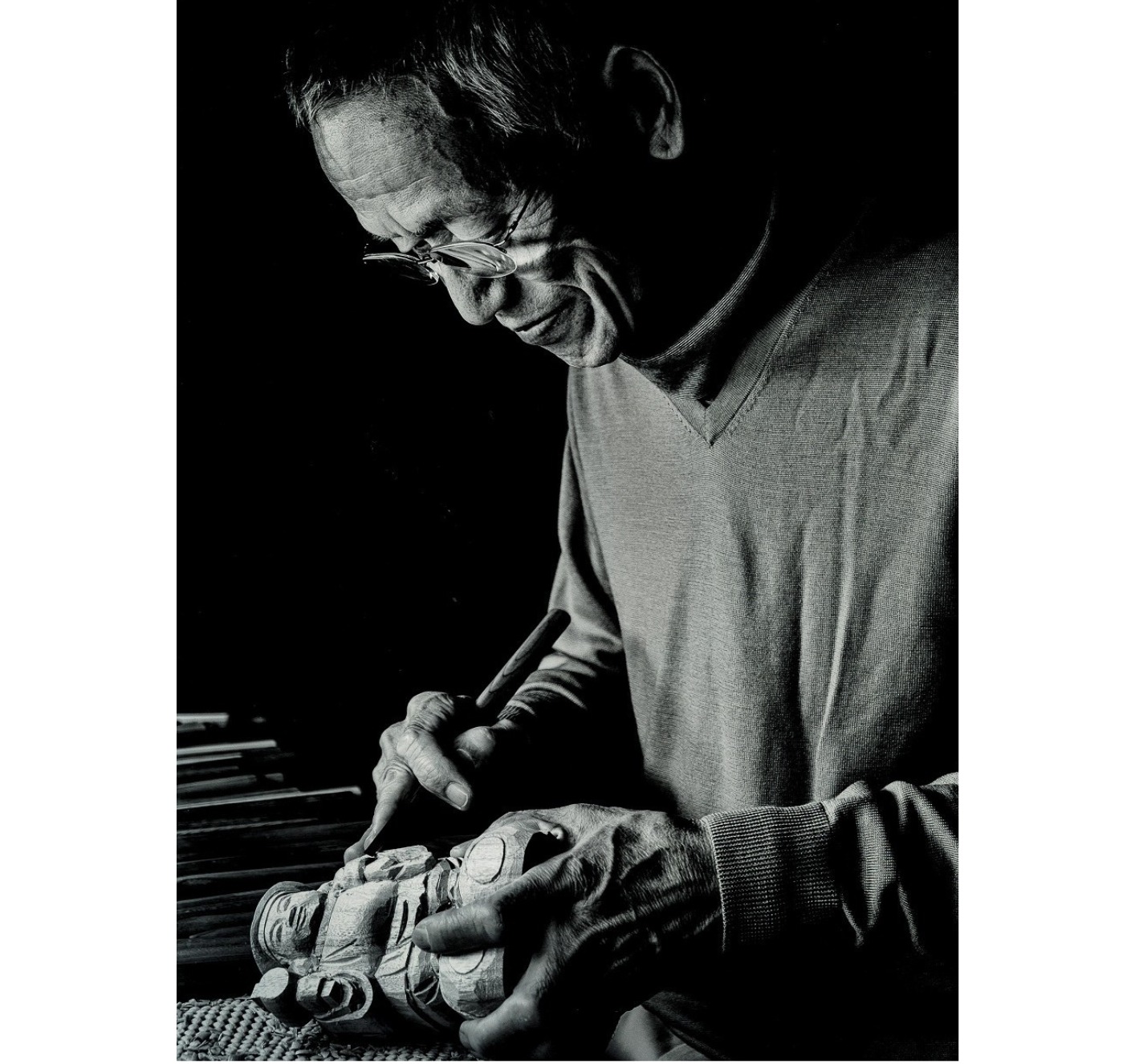
Tessō Mori (1946–2024)
Government-Certified Traditional Craftsman
Shinnojo KuyamaEncountering Picasso and Western Art
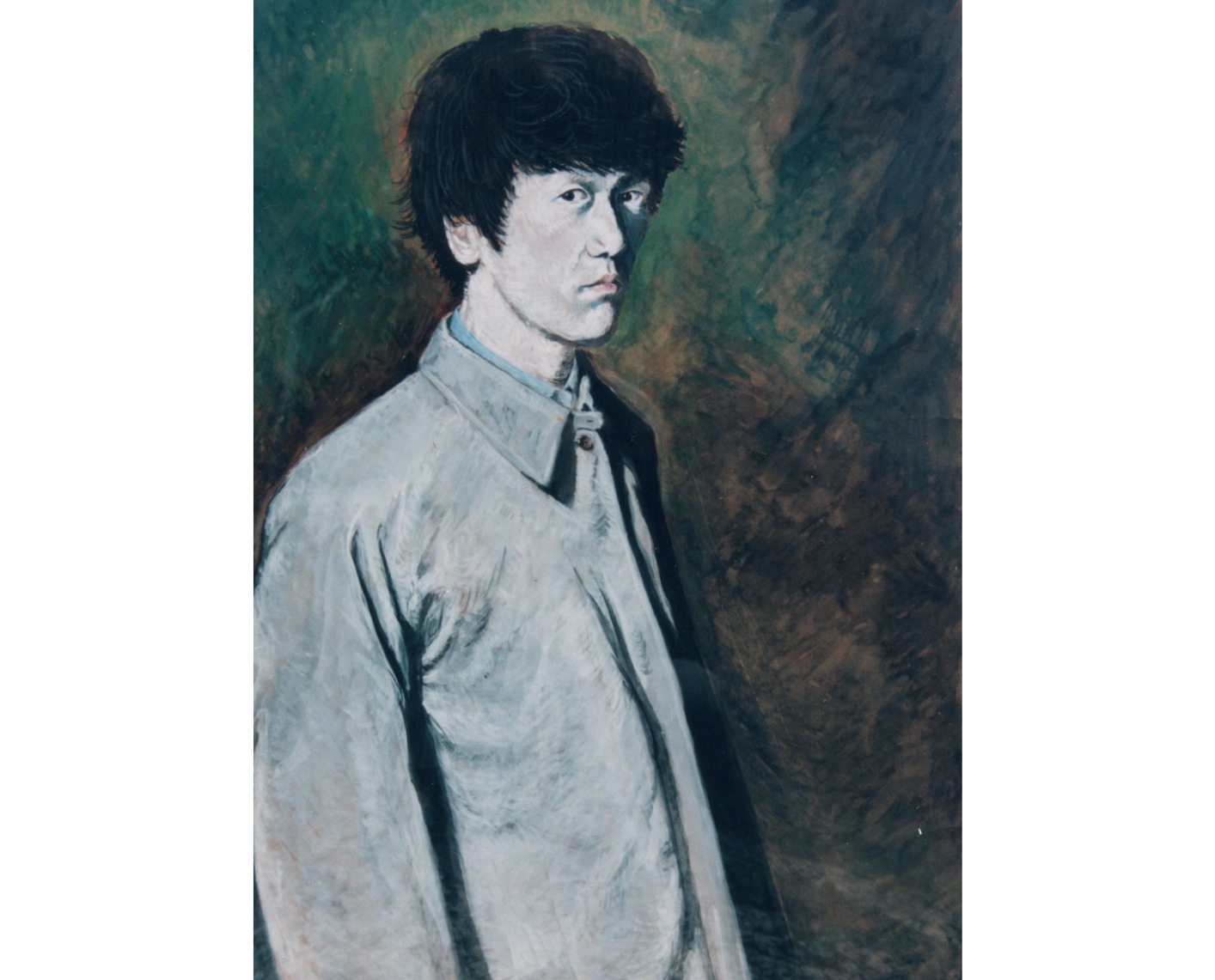
Self-Portrait by Tessō Mori
A Craftsman's Path Born from Loss
Poverty, Discipline, and Growth
Faith, Icons, and Spiritual Exploration
Building Mori Carving Studio
Raising the Next Generation
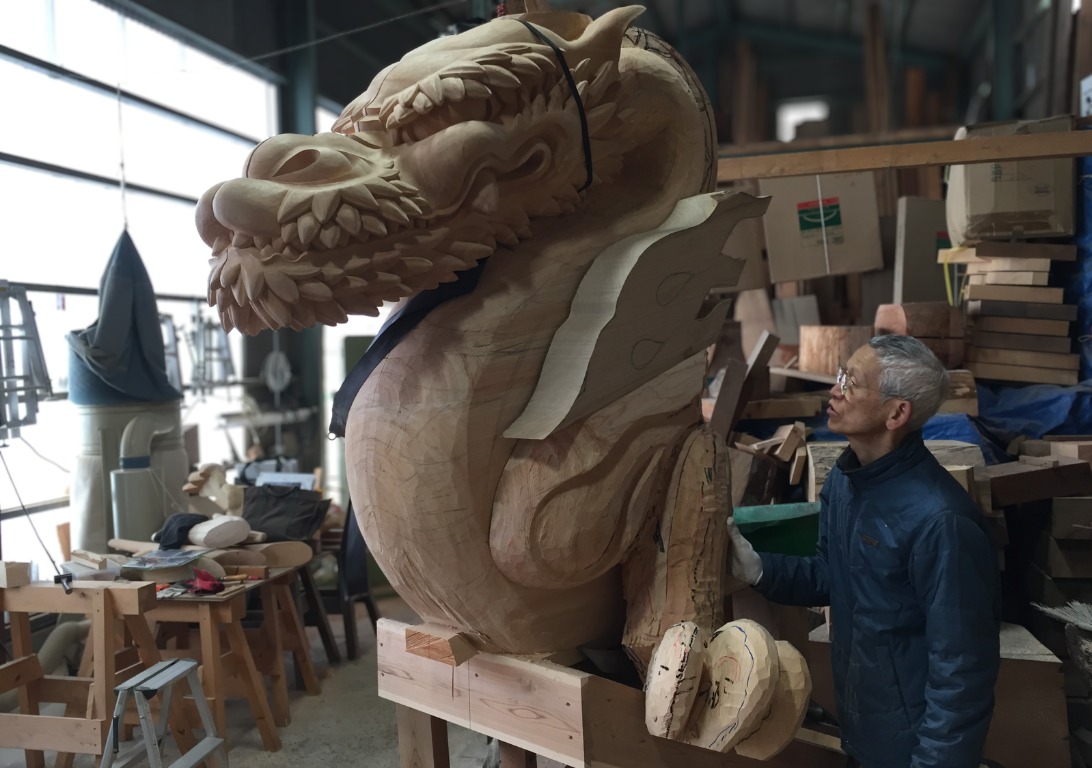
Tessō Mori inspecting the Ryūtō for Kyoto's Ōfune-hoko, 2016
The Ryūtō of Kyoto's Ōfune-hoko
Shinnojo Kuyama
Shinnojo Kuyama
The Joy of Creating Until the End
Legacy