Blog
2026/07/11 16:24
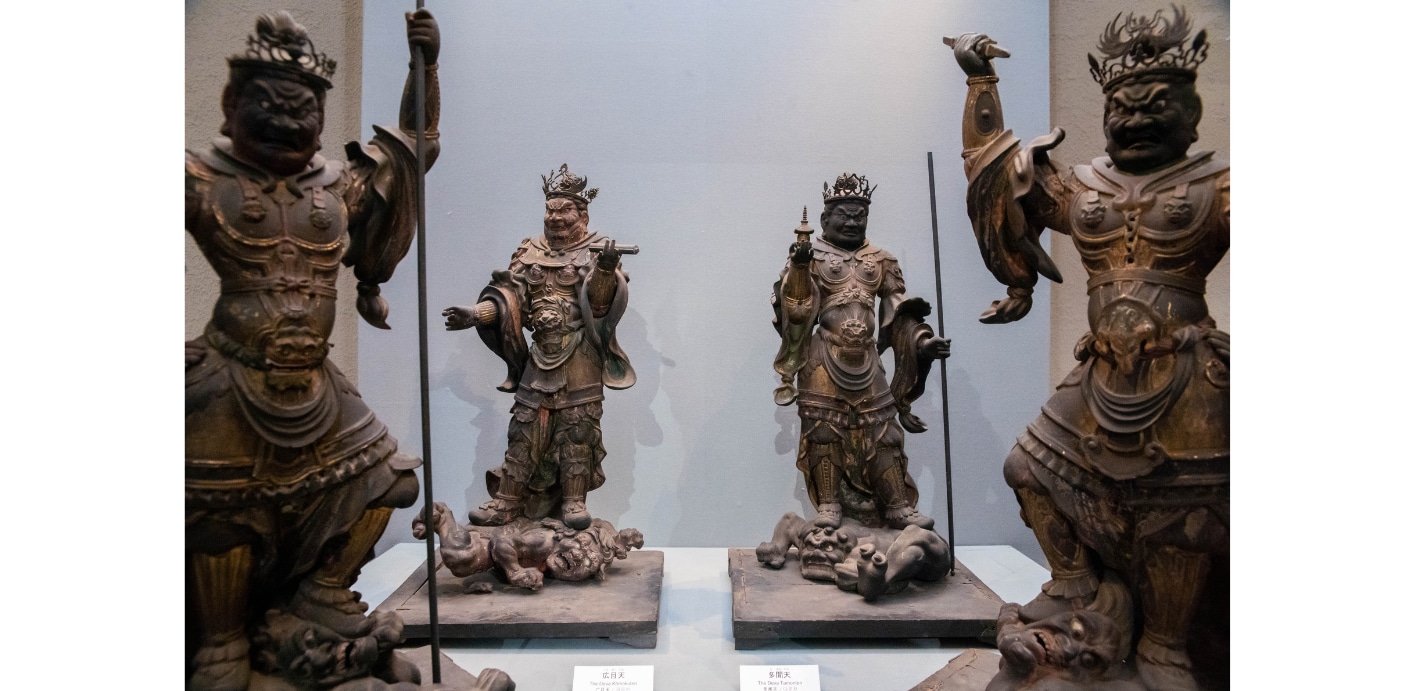
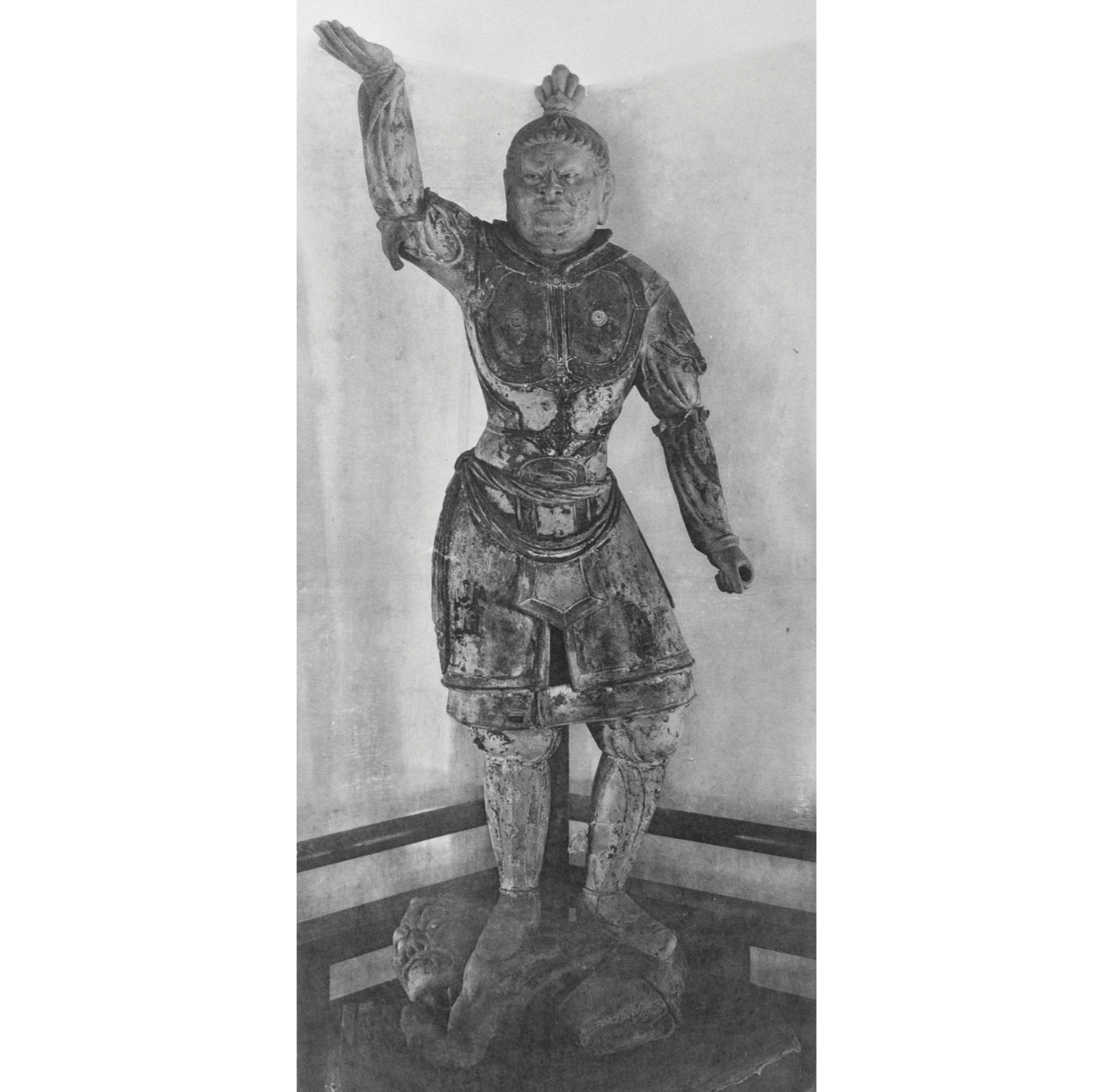
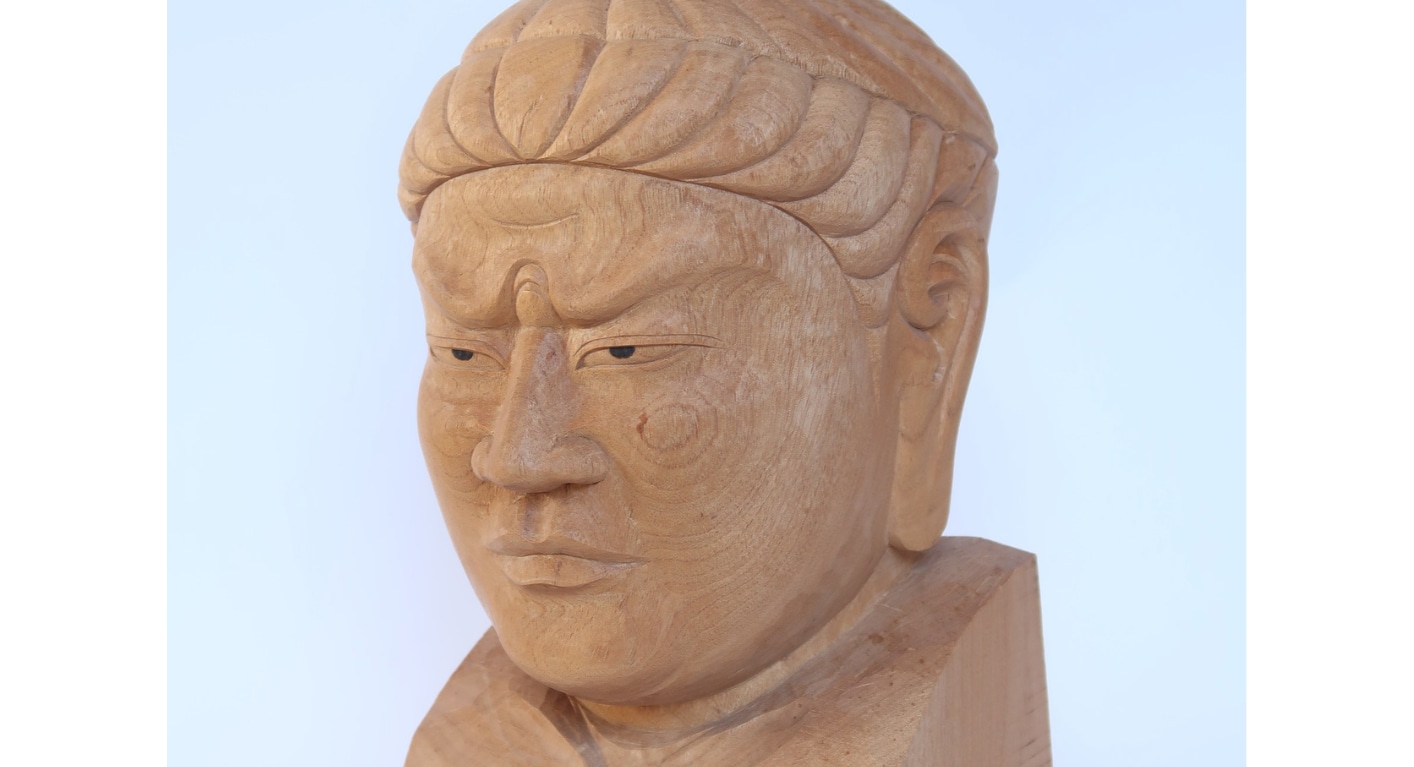
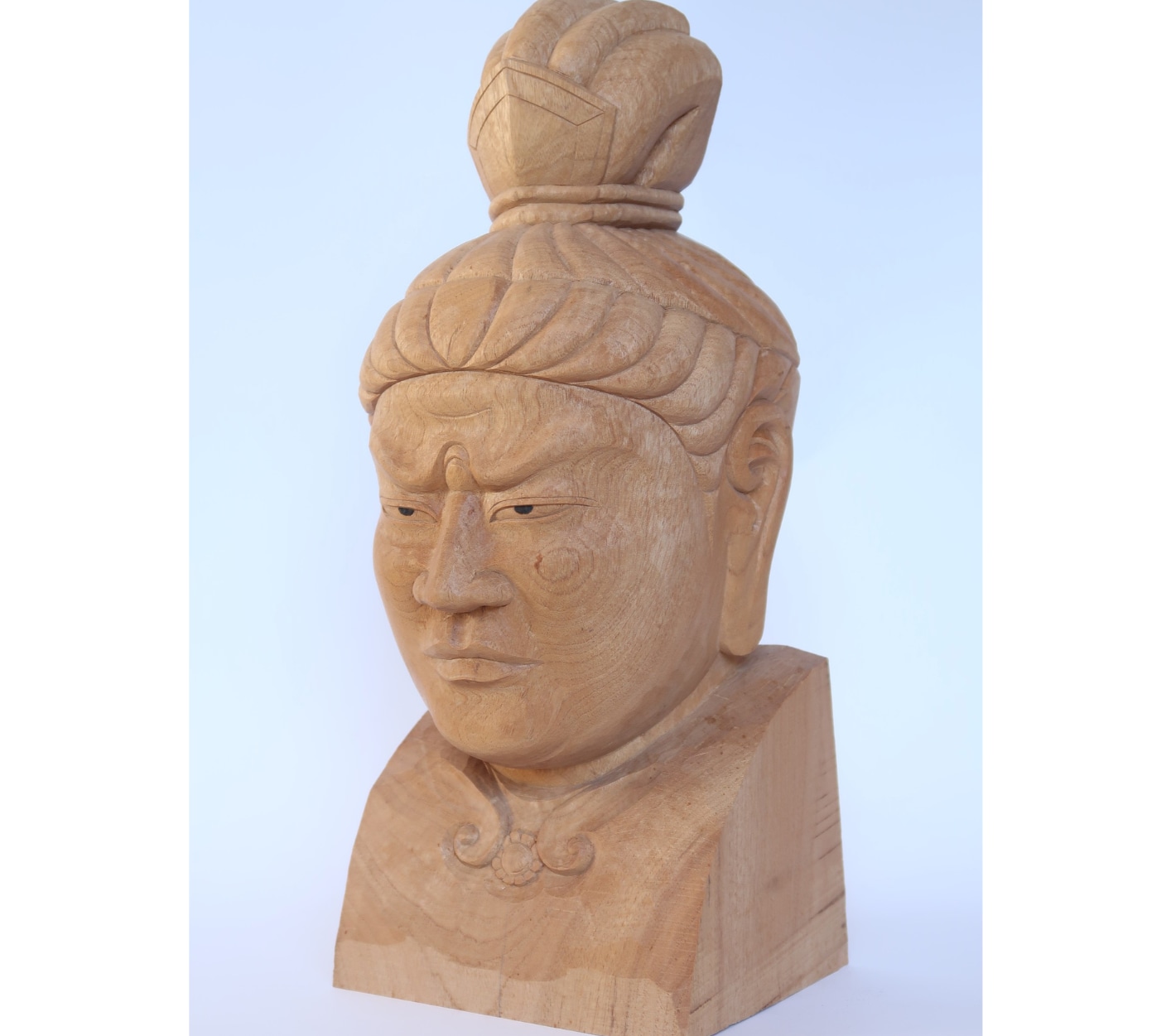
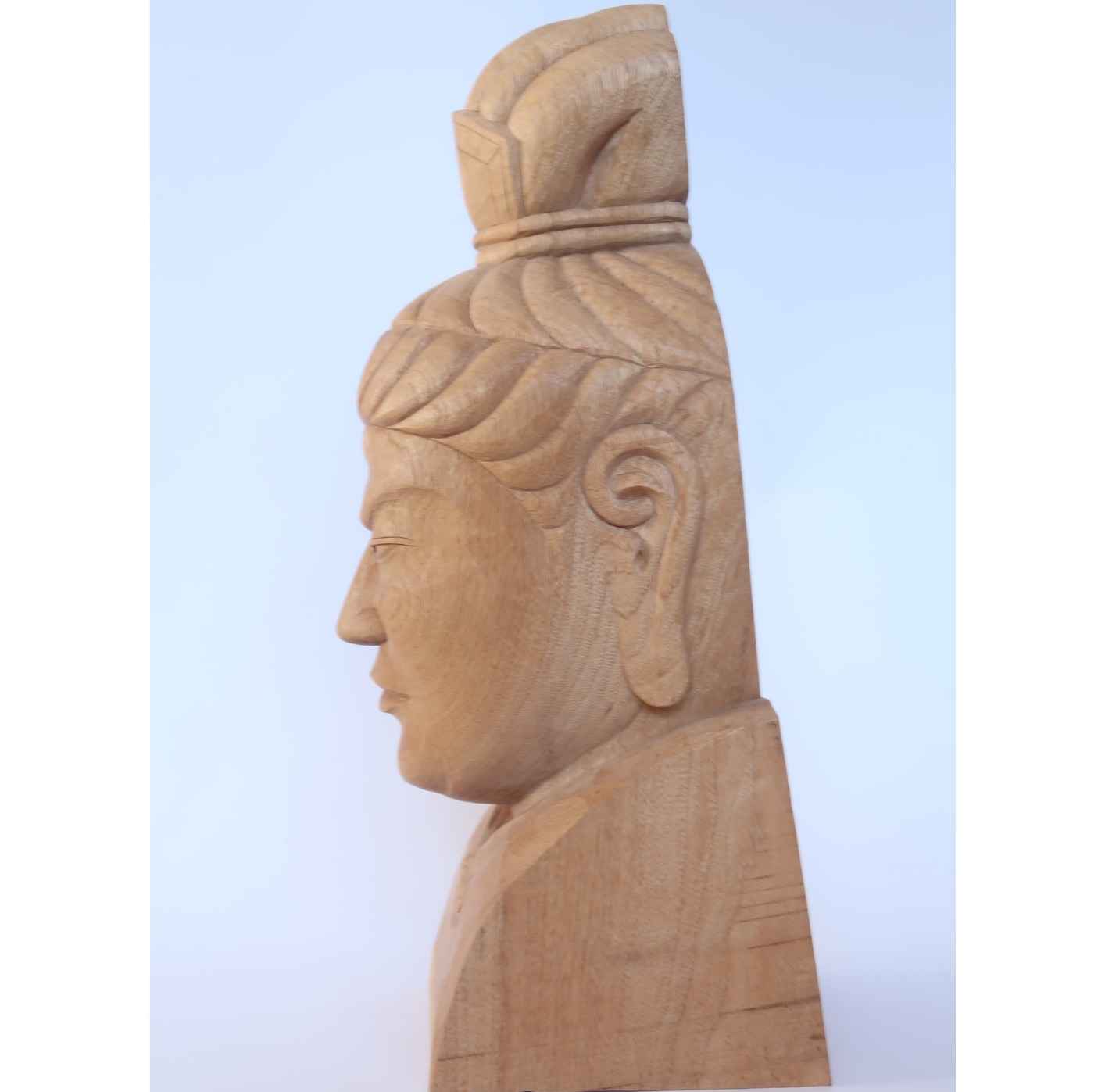
A Reflection on Kōmokuten by Tessō Mori (1946–2024) Visitors to Japanese temples often encounter armored guardian figures known as the Shitennō, or the Four Heavenly Kings. For more than fourteen centuries, they have protected Buddhist teachings and occupied an important place in Japanese faith and culture. According to Buddhist cosmology, they guard the four directions of the world: Jikokuten (East) Zōchōten (South) Kōmokuten (West) Tamonten, also known as Bishamonten (North) Together, they form a spiritual fortress protecting the Buddhist world. The Four Heavenly Kings guard the four directions of the Buddhist world. 「Tokyo National Museum Honkan」 by Dick Thomas Johnson / CC BY 2.0 The history of devotion to the Four Heavenly Kings in Japan dates back to the Asuka Period (c. 538–710). According to tradition, Prince Shōtoku (574–622) prayed to the Four Heavenly Kings for victory during the conflict over the acceptance of Buddhism. Afterward, he founded Shitennō-ji Temple in Osaka, one of Japan's oldest Buddhist temples and an important center of Four Heavenly Kings worship. During the Asuka and Nara periods (c. 538–794), statues of the Four Heavenly Kings were placed in temples throughout Japan to protect both the Buddhist faith and the nation. Among the finest surviving examples are the Four Heavenly Kings of the Kaidan-in Hall at Tōdai-ji Temple in Nara. Among the Four Heavenly Kings, Bishamonten became especially beloved in Japan. Originally the guardian of the north, he later became an independent object of worship. Revered as a warrior deity, he was especially honored by generations of samurai. Bishamonten, guardian of the north and the best-known of the Four Heavenly Kings. One of his most famous devotees was Uesugi Kenshin (1530–1578), one of the greatest military leaders of Japan's Sengoku Period. Believing himself protected by Bishamonten, Kenshin famously carried battle standards bearing the character 「毘」, the first character of the deity's name. During the Edo Period (1603–1868), Bishamonten also became one of the Seven Lucky Gods, coming to symbolize prosperity and good fortune in addition to military strength. Approximately ten years ago, master woodcarver Tessō Mori chose not to carve Bishamonten. Instead, he chose Kōmokuten. Guardian of the western direction, Kōmokuten represents wisdom, insight, and the ability to see beyond appearances. Unlike the more martial image of Bishamonten, Kōmokuten possesses a quieter, more contemplative character. Why did Tessō choose him? No written explanation survives. Yet those who knew Tessō understood his fascination with faces. Throughout his life, he was captivated by the personality and emotion that could emerge from wood. Perhaps he simply loved this face. The face of Kōmokuten carved by Tessō Mori. The strong brow. The penetrating gaze. The quiet dignity. An expression that is neither fully wrathful nor entirely compassionate. It holds both tension and calm. For an artist, a face can sometimes speak more powerfully than doctrine. Perhaps that was enough. Kōmokuten of Tōdai-ji Kaidan-in Hall, Nara Source: ColBase (Collections Search, National Institutes for Cultural Heritage, Japan) This sculpture was inspired by the famous Kōmokuten of the Kaidan-in Hall at Tōdai-ji Temple. The Four Heavenly Kings of Kaidan-in are among the finest surviving masterpieces of Tenpyō-period sculpture (c. 729–749) and are designated National Treasures of Japan. Created approximately 1,300 years ago, they occupy a unique place in the history of Japanese Buddhist art. Unlike later wooden statues, they were modeled in clay and shaped entirely by hand. Nearly life-sized, they impress through extraordinary realism and quiet intensity. Their flowing forms, natural drapery, restrained musculature, and above all the psychological tension in their faces reveal a remarkable artistic achievement. Unlike many later depictions of the Four Heavenly Kings, which emphasize dramatic anger and physical power, the Kaidan-in figures possess a profound inner calm. Even the demons beneath their feet display surprising humanity. Later depictions became increasingly muscular and dramatic, yet the Kaidan-in sculptures offer something different: Simplicity. Restraint. Quiet power. Perhaps these were the very qualities that attracted Tessō Mori. This work is not a replica of the ancient original. Rather, it is a contemporary interpretation of the spirit embodied by the Kōmokuten of Tōdai-ji. Visible wood grain and chisel marks preserve the character of hand carving, creating a dialogue between an ancient masterpiece and a modern woodcarver. A sculpted head exploring the expressive power of the human face. Although inspired by one of the Four Heavenly Kings, Tessō Mori chose to carve only the head. Throughout his career, Mori repeatedly returned to the human face as a subject of artistic exploration. Whether depicting a Bodhisattva, a guardian deity, or a historical figure, he sought to express emotion, personality, and spiritual presence through facial expression alone. In that sense, this work belongs not only to the tradition of the Four Heavenly Kings, but also to Mori's lifelong exploration of the Butsu-tō—the sculpted head as an independent work of art. For Mori, the face was the essence itself. In modern Japanese, the term Shitennō is often used to describe the four strongest or most important members of a group. Yet the values represented by the Four Heavenly Kings remain timeless: The protection of order. The cultivation of virtue. The ability to perceive truth. The courage to defend what is precious. That is why Kōmokuten continues to speak across the centuries. And perhaps that is why Tessō Mori was drawn to him. Not because he was the most famous of the Four Heavenly Kings. Not because he was the most powerful. But because, within that face, he found something profoundly human. Something that still speaks to us today. Inspired by the National Treasure Kōmokuten of Tōdai-ji Kaidan-in Hall, this original wood sculpture reflects Tessō Mori's interpretation of one of Japan's greatest guardian figures. → View the Artwork Tessō Mori's fascination with sculpted heads can also be seen in his work inspired by the famous Miroku Bosatsu of Chūgū-ji Temple. Read more:The Four Heavenly Kings
Kōmokuten — The All-Seeing Guardian of Wisdom

The Four Heavenly Kings and Early Japan
Bishamonten: Japan's Most Beloved Heavenly King
Yet Tessō Mori Chose Kōmokuten
An Homage to the Kōmokuten of Tōdai-ji

A National Treasure of Tenpyō-period Buddhist sculptureMore Than a Guardian Deity: A Sculpted Head
What the Four Heavenly Kings Still Teach Us
Discover This Kōmokuten by Tessō Mori
Related Reading