Blog
2026/06/26 15:22
The East Pagoda of Yakushi-ji Temple, Nara — the Suien crowns the pagoda high above the ground. Many visitors to Japan are captivated by its temples, shrines, and gardens. Yet one of the country's greatest artistic masterpieces is rarely seen up close. High above the East Pagoda of Yakushi-ji Temple in Nara stands an extraordinary bronze ornament known as the Suien. For more than thirteen centuries, its graceful design has fascinated artists, craftsmen, and historians alike. Although created as part of a Buddhist pagoda, the Suien has long been admired as a work of art in its own right. Its flowing lines, remarkable openwork, and dancing celestial figures continue to inspire generations of creators—even today. This article explores why a masterpiece made over 1,300 years ago continues to speak to modern artists. The Suien forms the upper decorative section of the sōrin, the sacred metal finial that crowns a traditional Japanese Buddhist pagoda. Its name, literally meaning "Water Flame," comes from its distinctive appearance. Its elegant outlines resemble rising flames while symbolically representing water that protects the pagoda from fire. This union of seemingly opposite elements reflects a Buddhist vision of harmony. The Suien of Yakushi-ji's East Pagoda was cast in bronze during Japan's Hakuhō period in the late seventh century. It consists of four magnificent openwork panels. Within them are carved a total of twenty-four celestial beings known as Hiten. Some dance gracefully through the clouds. Others scatter flowers or play musical instruments. Although made of bronze, the figures seem almost weightless, creating an impression of movement rather than stillness. For centuries, the Suien remained nearly thirty meters above the ground. Only during the major conservation of Yakushi-ji's East Pagoda in the Heisei era was the original removed and exhibited, allowing visitors to appreciate the extraordinary refinement of its craftsmanship. One of the people most deeply moved by the Suien was the American art historian Ernest Fenollosa (1853–1908). A pioneer in introducing Japanese art to the West, Fenollosa famously described the Yakushi-ji Suien as "Frozen Music." The phrase has become inseparable from the Suien itself. It is easy to understand why. The sculpture appears almost alive. Its flowing bronze lines resemble musical phrases. The celestial figures seem to dance effortlessly through space. Light passes through the openwork, while changing shadows give the sculpture a rhythm that shifts throughout the day. Although motionless, it never feels still. Fenollosa's words remind us that great works of art can express movement without moving, and emotion without sound. More than a century later, his description remains one of the most memorable ways of understanding the beauty of the Suien. Photo by PlusMinus, CC BY-SA 3.0, via Wikimedia Commons Perhaps the Suien's greatest artistic achievement is its masterful use of openwork. Rather than treating bronze as a solid mass, the ancient craftsmen removed large sections of metal so that light, shadow, and empty space became part of the composition. The result is a remarkable balance between presence and absence. As daylight changes, the sculpture changes with it. Morning, afternoon, and evening each reveal different expressions. The sky itself becomes part of the artwork. This relationship between form and empty space reflects an important idea in Japanese aesthetics known as ma—the meaningful interval between things. Rather than filling every space, the artist allows emptiness to contribute to the whole. The Suien demonstrates this principle with extraordinary elegance. Its beauty lies not only in what was carved, but also in what was intentionally left open. The Yakushi-ji Suien has never been admired merely as an architectural ornament. It has long been appreciated as one of Japan's greatest achievements in design. Its influence extends far beyond Buddhist architecture. Artists, sculptors, architects, designers, and craftsmen continue to study its flowing composition and harmonious proportions. Its significance is reflected even in the tradition of Suien Takuhon—ink rubbings made from the Suien. These rubbings have been valued not only as historical records but also as works of art, demonstrating that the Suien has long been appreciated independently of the pagoda it crowns. The Suien has endured because it embodies timeless principles of design. Its graceful rhythm. Its balance between form and empty space. Its ability to create movement from stillness. These qualities continue to inspire artists not because they belong to the past, but because they remain relevant today. Great design does not lose its power with age. Instead, each generation discovers something new within it. That is why the Yakushi-ji Suien continues to inspire artists more than thirteen centuries after it was first created. The Yakushi-ji Suien is more than a remarkable example of Buddhist metalwork. It is proof that truly great design transcends time. Created by anonymous craftsmen more than 1,300 years ago, it continues to influence artists working in entirely different materials and different eras. Its beauty is not found simply in its historical importance, but in its enduring ability to inspire creativity. The flowing lines, elegant openwork, and quiet rhythm that captivated generations before us still speak to artists today. Some preserve its legacy. Others reinterpret it in new ways. But all are connected by the same admiration for one extraordinary masterpiece. How did this 1,300-year-old masterpiece inspire master woodcarver Tessō Mori? In the next article, we explore how the Yakushi-ji Suien influenced two generations of the Mori family and how Tessō Mori transformed that inspiration into an original wood sculpture created for contemporary living. → Read: From the Yakushi-ji Suien to Contemporary Living — Tessō Mori's Original InterpretationThe Frozen Music of Yakushi-ji
Why the Suien Has Inspired Artists for 1,300 Years
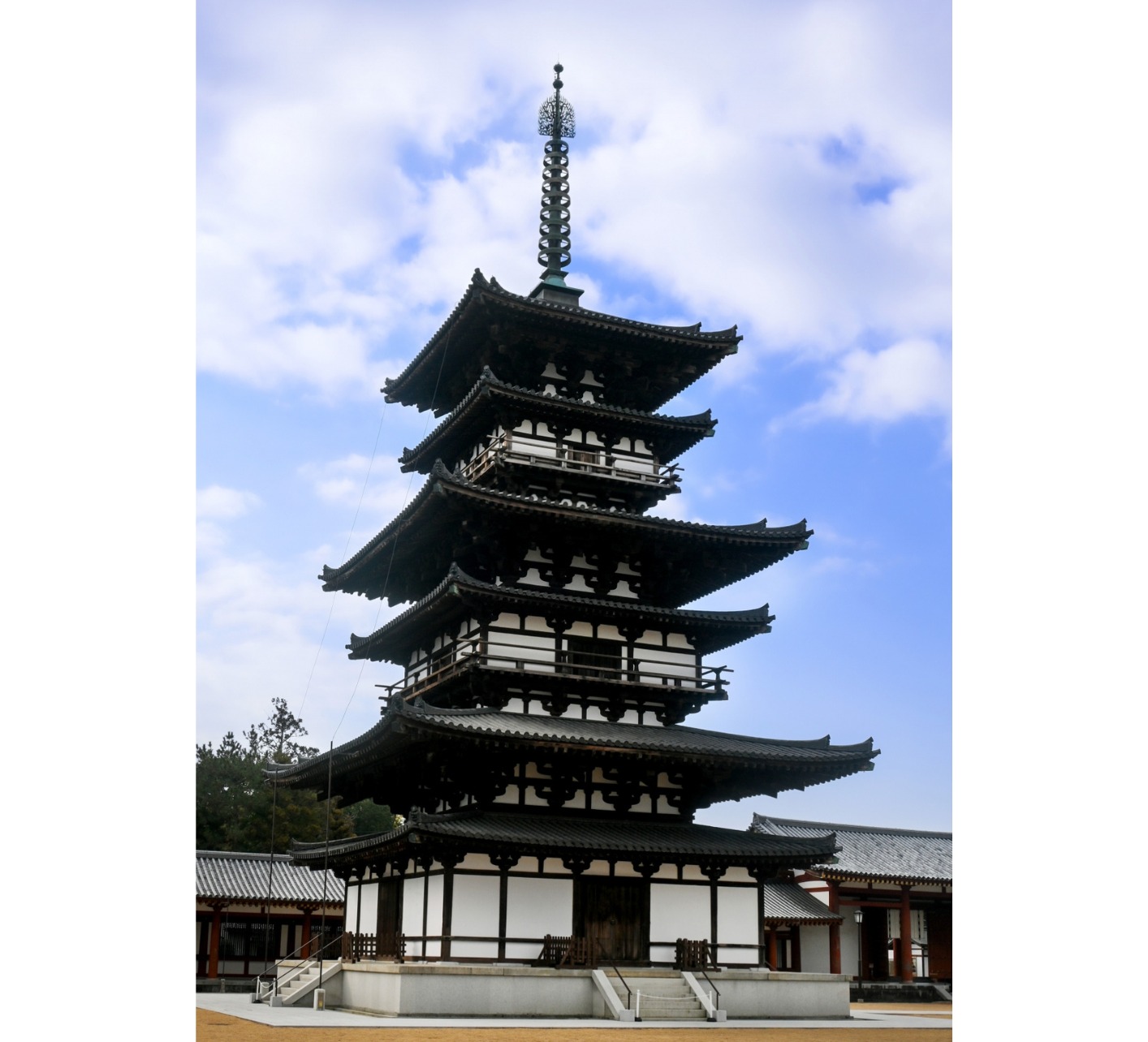
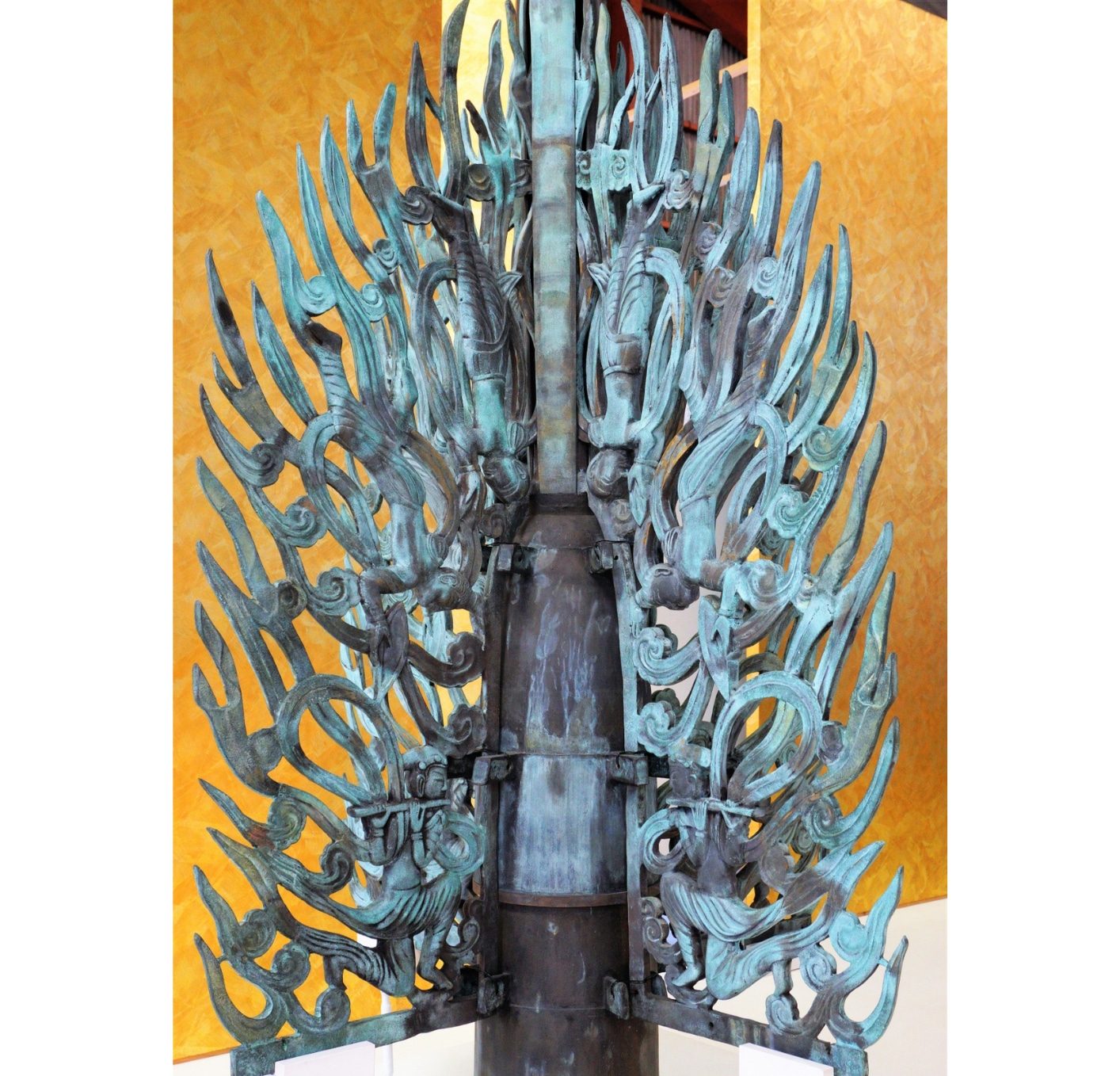
The Suien of Yakushi-ji’s East Pagoda, admired for its flowing openwork and celestial figures.
What Is the Suien?
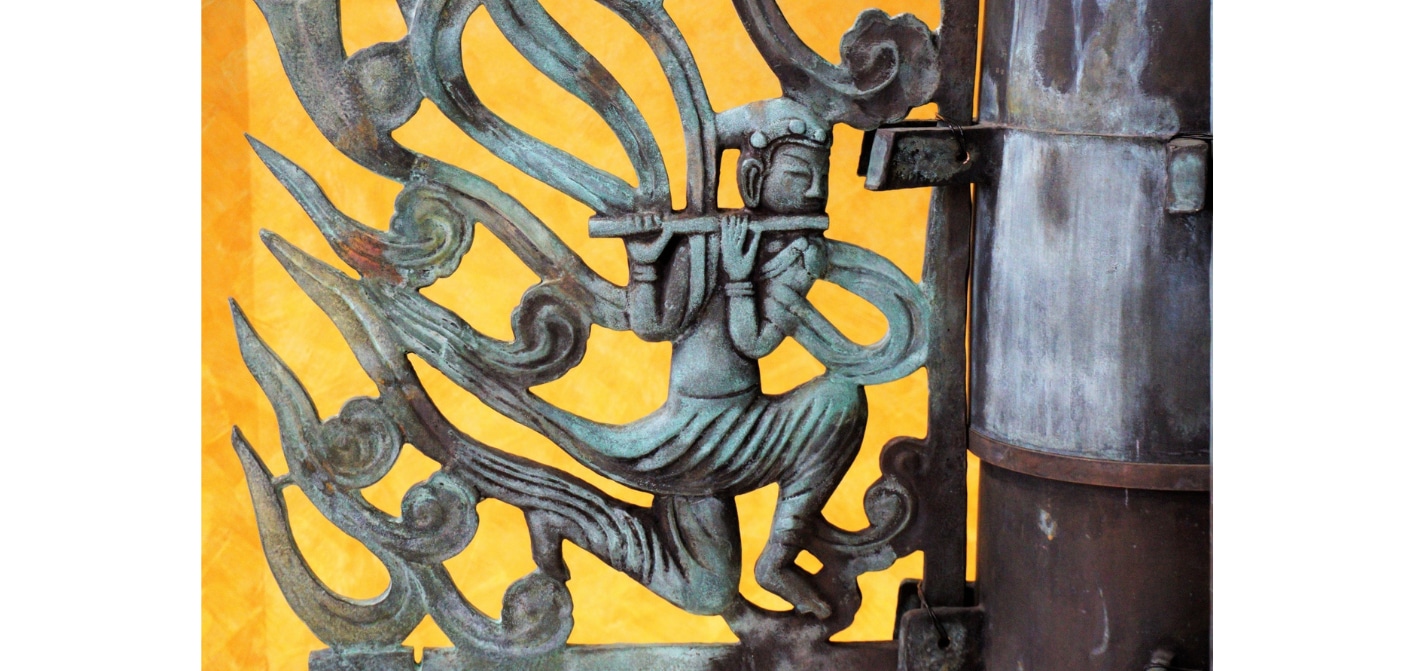
The flowing lines and celestial figures of the Suien inspired the famous expression “Frozen Music.”
"Frozen Music"
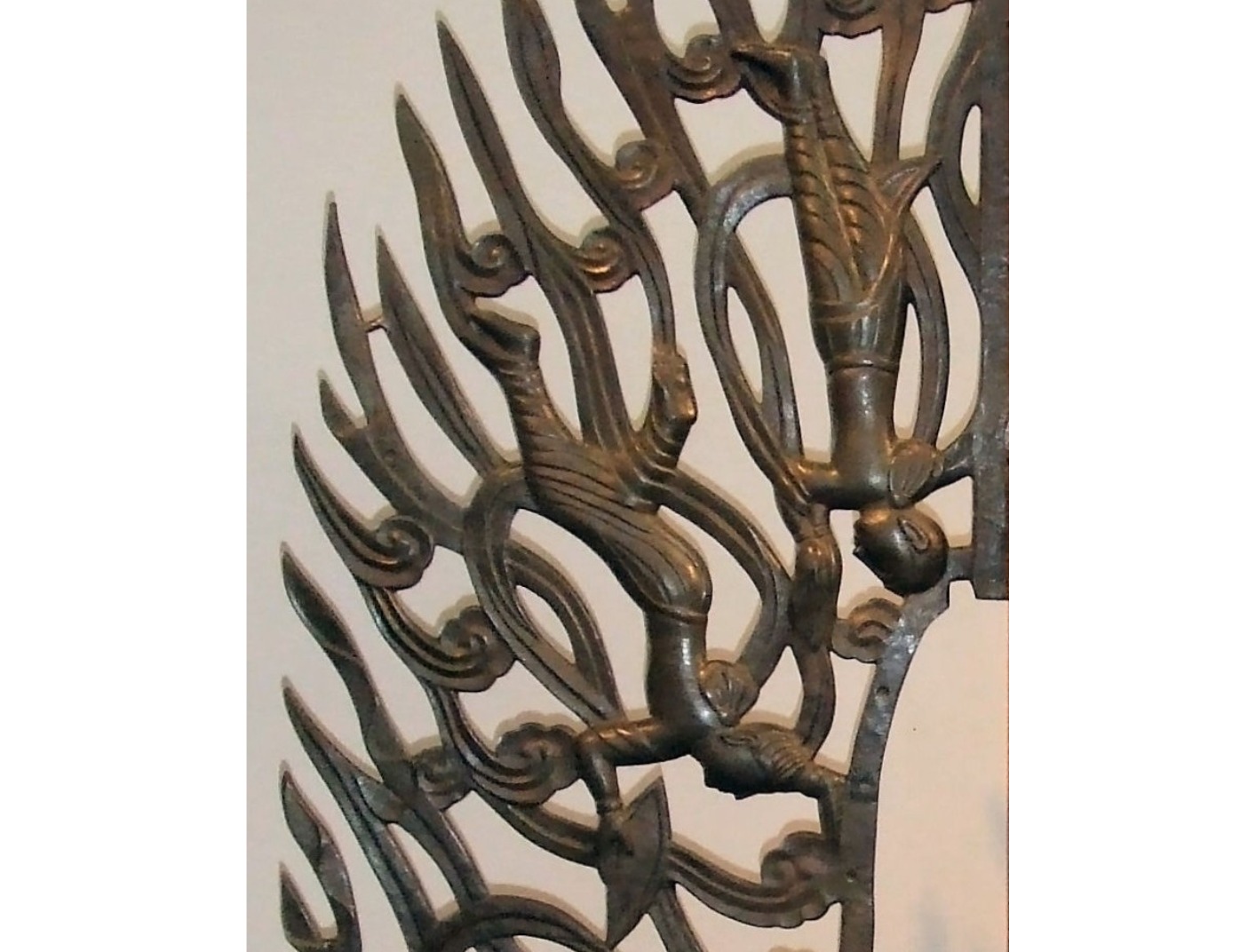
Openwork allows light, shadow, and empty space to become part of the design.
The Beauty of Openwork
Why Artists Continue to Admire the Suien
A Timeless Source of Inspiration
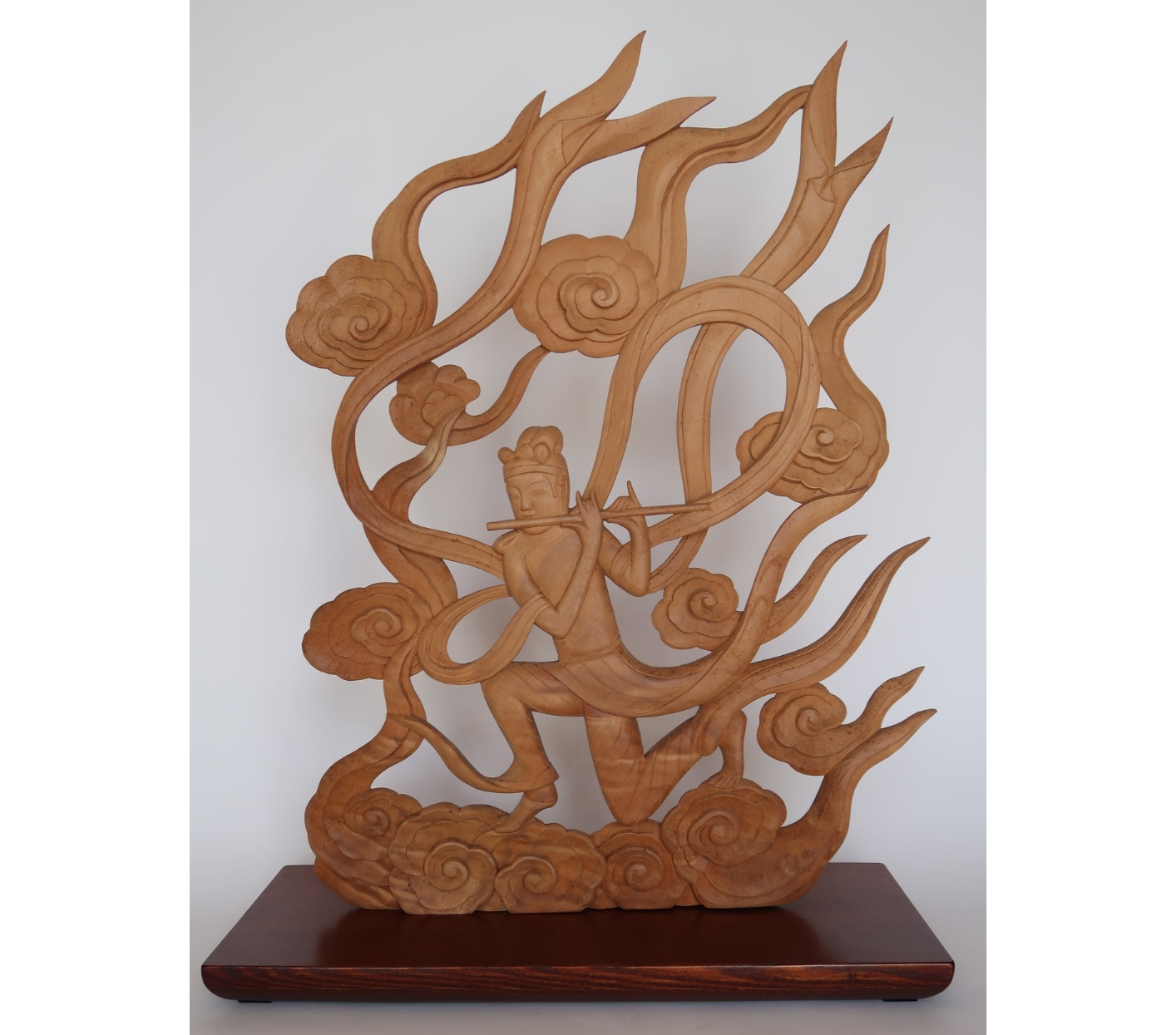
Tessō Mori’s original wood sculpture inspired by the Yakushi-ji Suien.
Related Reading