Blog
2026/06/16 15:51
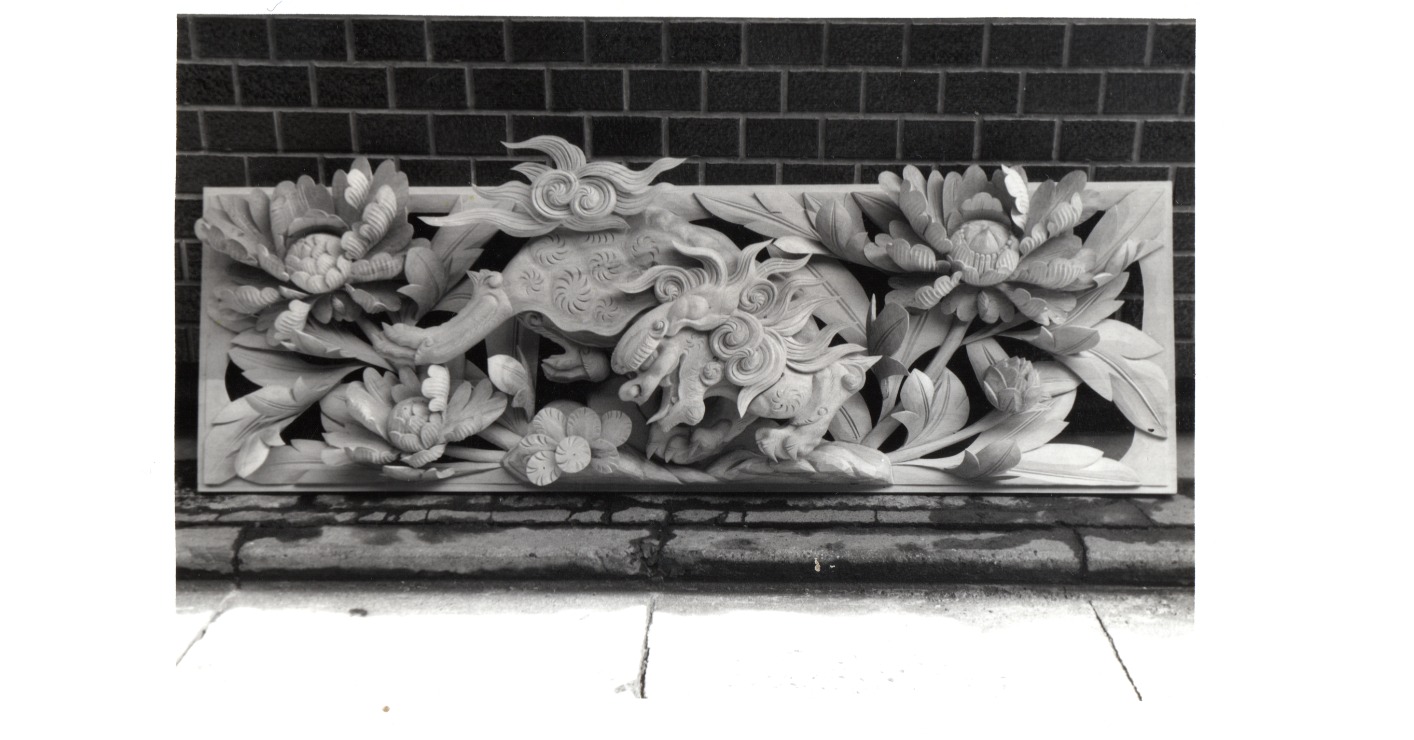
Young Hideo Mori during his apprenticeship under master woodcarver Yoshio Kawaguchi. ① Hideo Mori (1897–1964) Every family workshop has an origin story. For Mori Carving Studio, that story begins not with a building, a company, or a famous commission, but with a single craftsman born in a small mountain village in northern Shiga Prefecture. Hideo Mori was born in May 1897 in Kaminyū, a community long known for its tradition of woodcarving. Surrounded by forests and mountains, generations of craftsmen in the village transformed timber into temple carvings, Buddhist altar decorations, architectural ornaments, and sacred sculptures that found their way across Japan. Growing up in such an environment, Hideo was immersed in craftsmanship from an early age. The sound of chisels striking wood, the scent of freshly carved timber, and the sight of skilled artisans at work formed the backdrop of his childhood. Yet few could have imagined that this quiet village boy would become the foundation of a family tradition that would survive for more than a century. Today, visitors encounter the work of multiple generations of Mori craftsmen. The techniques, artistic values, and spirit that define Mori Carving Studio can all be traced back to Hideo Mori. He was a craftsman. He was an artist. And perhaps, had circumstances been different, he might have become one of Japan's great sculptors. His story is one of hardship, talent, resilience, and an unwavering determination to follow his own path. Life in rural Japan at the beginning of the twentieth century was demanding. Every member of a household contributed to the family's livelihood, and children often began working at an early age. Like many families in Kaminyū, the Mori family raised trout. One of Hideo's responsibilities was helping prepare feed for the fish. The work seemed simple. Ingredients were pushed into a grinding machine using a wooden stick. One day, impatient to finish the task, young Hideo used his finger instead. The machine caught his hand instantly. The accident severed the first joint of his right middle finger. For most people, such an injury would have ended any dream of becoming a woodcarver. Woodcarving requires strength, precision, and control from both hands. Losing part of a finger was a serious handicap. But Hideo possessed one advantage. He was naturally left-handed. Rather than allowing the accident to define him, he adapted. The injury became part of his identity rather than the end of his ambitions. Years later, people throughout the region would come to know him by a nickname that reflected both his disability and his remarkable ability. Sashū — “Left-Handed Shū.” What began as a simple description gradually became a mark of respect. The boy who had lost a finger would grow into a craftsman whose skill made the injury almost irrelevant. As a young man, Hideo entered apprenticeship under the respected master woodcarver Yoshio Kawaguchi. Apprenticeship in those days was far removed from modern vocational education. Young craftsmen spent years cleaning workshops, preparing materials, sharpening tools, and performing countless tasks before being trusted with important carving work. The environment was demanding and often unforgiving. Stories from the era describe strict masters who expected absolute discipline and apprentices who endured years of hardship in pursuit of mastery. Hideo soon encountered another challenge. Although naturally left-handed, he was instructed to carve with his right hand. At first, he obeyed. The results were disappointing. No matter how hard he practiced, his progress remained limited. His movements felt unnatural. His work lacked confidence. Eventually, he made a decision. He stopped following instructions and returned to carving with his dominant left hand. The change was immediate. His movements became fluid. His confidence grew. His natural talent emerged. Within a short time, he became one of the most skilled apprentices in the workshop. According to family stories, senior apprentices occasionally asked Hideo to complete difficult sections of their own projects because they could not match his ability. Even at a young age, his talent was becoming impossible to ignore. In his early years he used the artist name Kengō, a name associated with diligence and craftsmanship. Later he adopted the name Sashū, proudly embracing the left-handed carving style that had once been considered a disadvantage. The name would eventually become legendary. When Hideo completed his apprenticeship, his master offered practical advice. “If you want work, go to Nagoya.” It was sensible guidance. The techniques Hideo had learned belonged to the Nagoya tradition, and many craftsmen built successful careers there. The logical path was clear. Hideo ignored it. Instead, he chose Kyoto. The decision perfectly reflected the qualities that would define him throughout his life. He was independent. Stubborn. And unwilling to follow a path simply because someone else considered it correct. The move was risky. Kyoto carving differed significantly from the traditions he had learned. The techniques were different. The proportions were different. Even the artistic sensibilities were different. What had earned praise in one region could be considered inadequate in another. For a time, Hideo struggled. The transition was not easy. Yet he refused to give up. Patiently, he studied the Kyoto style. He absorbed new techniques while preserving the strengths of his earlier training. Gradually, his reputation grew. The same determination that had allowed him to overcome injury and apprenticeship now enabled him to establish himself among Kyoto's highly competitive craftsmen. Eventually, even veteran artisans recognized his ability. Among his many skills, one became especially famous. His lions. The power of their bodies. The movement of their manes. The vitality expressed in every curve and detail. His lion carvings possessed a life that captivated those who saw them. As his reputation spread, people began referring to him as: “Shishi no Morihide” — Hideo Mori, Master of Lions. It was not a title inherited from family tradition. It was a title earned through talent alone. By then, Hideo had already demonstrated a pattern that would define the rest of his life. When faced with convention, he chose independence. When confronted by difficulty, he chose persistence. And when others expected him to follow established paths, he created his own. Those qualities would carry him through even greater challenges in the years ahead. By the time Hideo Mori established himself in Kyoto, he had already overcome obstacles that would have ended most careers. He had transformed a childhood injury into a source of strength. He had rejected limitations imposed by others. And he had earned recognition through skill rather than inheritance. Yet the greatest challenges of his life still lay ahead. War. Hardship. Artistic ambition. And the creation of works that would become part of family legend. In Part II, we follow Hideo Mori through the most dramatic years of his life and explore how a gifted craftsman became the spiritual foundation of Mori Carving Studio. Discover how Hideo Mori endured war, pursued artistic freedom, created some of his most remarkable works, and laid the foundation for the generations that followed. → Part II — Artist, War, and LegacyTHE LEFT-HANDED REBEL
Part I — A Boy, an Apprenticeship, and a Defiant Journey to Kyoto
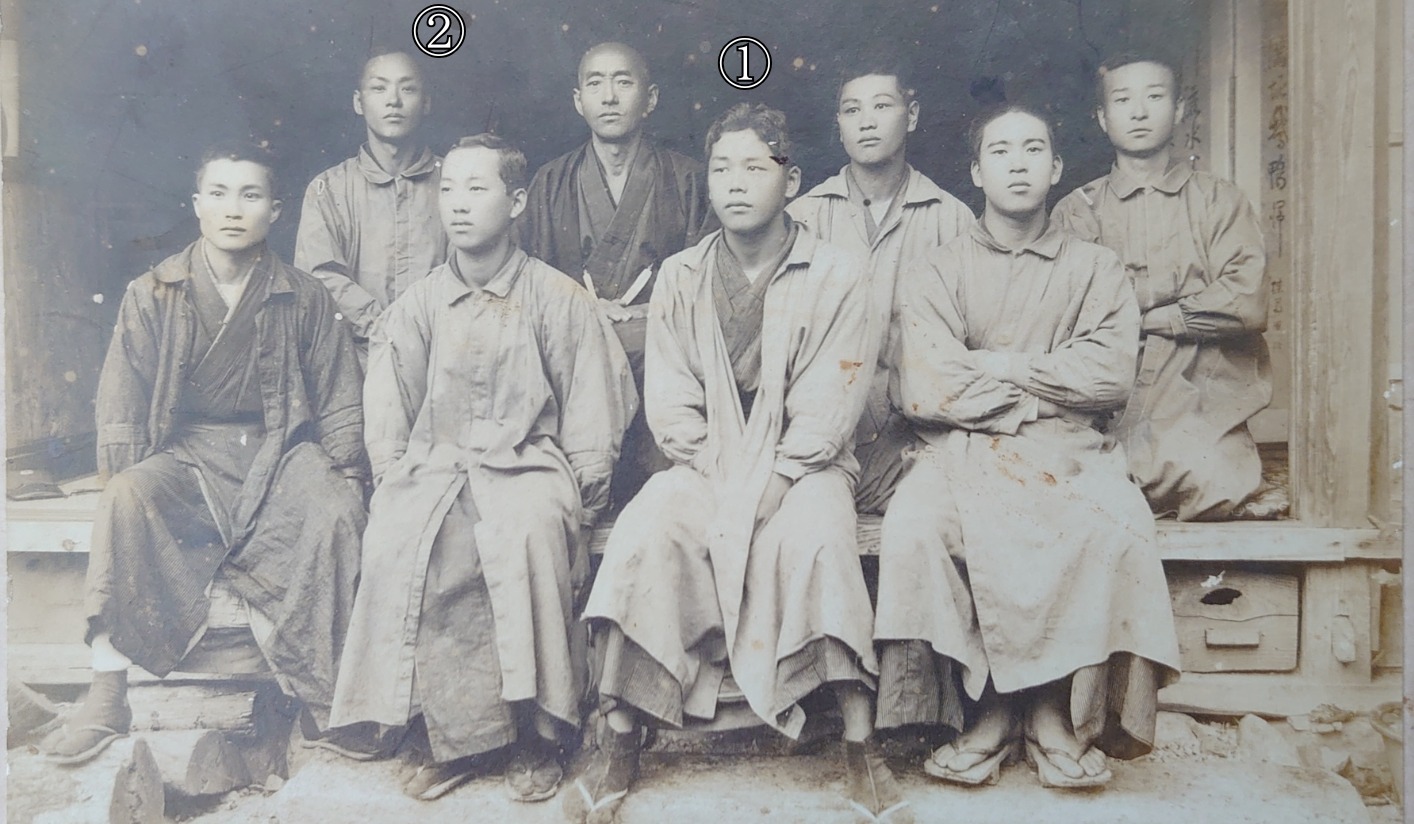
② Yoshio Kawaguchi (Master Woodcarver)The Grandfather Who Shaped a Legacy
A Boy Who Lost a Finger but Found His Gift
The Apprentice Who Refused to Follow Orders
Choosing Kyoto Instead of the Easy Road
To Be Continued
Continue the Journey