Blog
2026/06/09 12:50
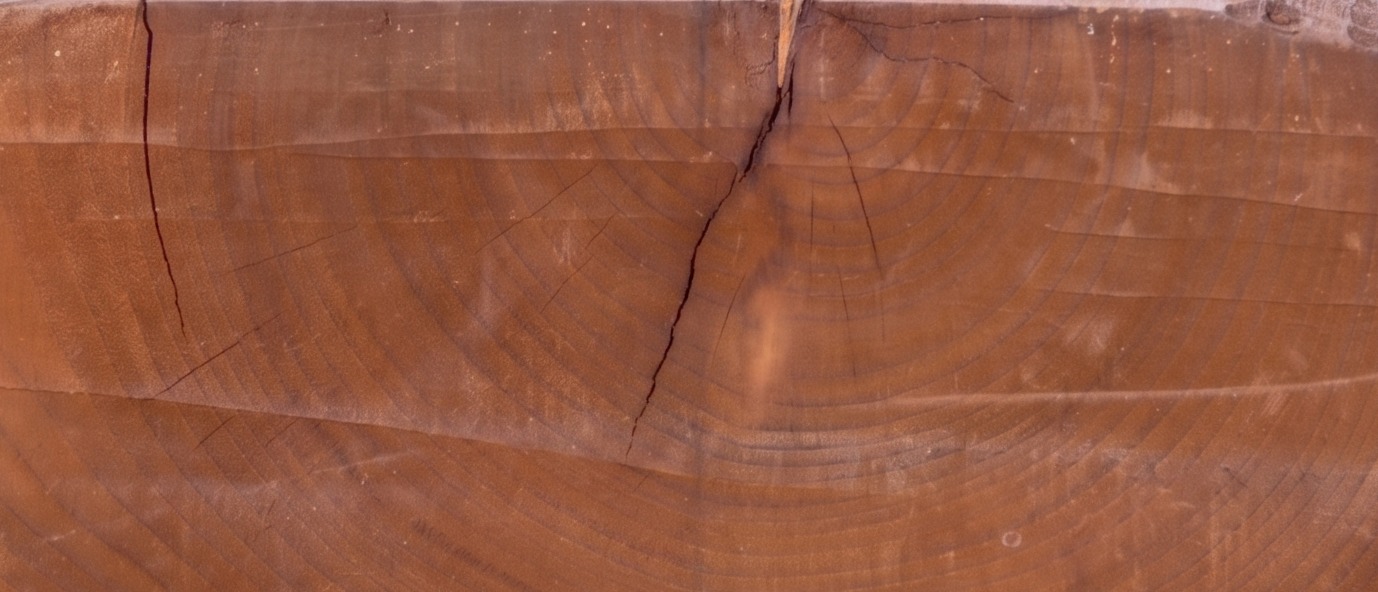
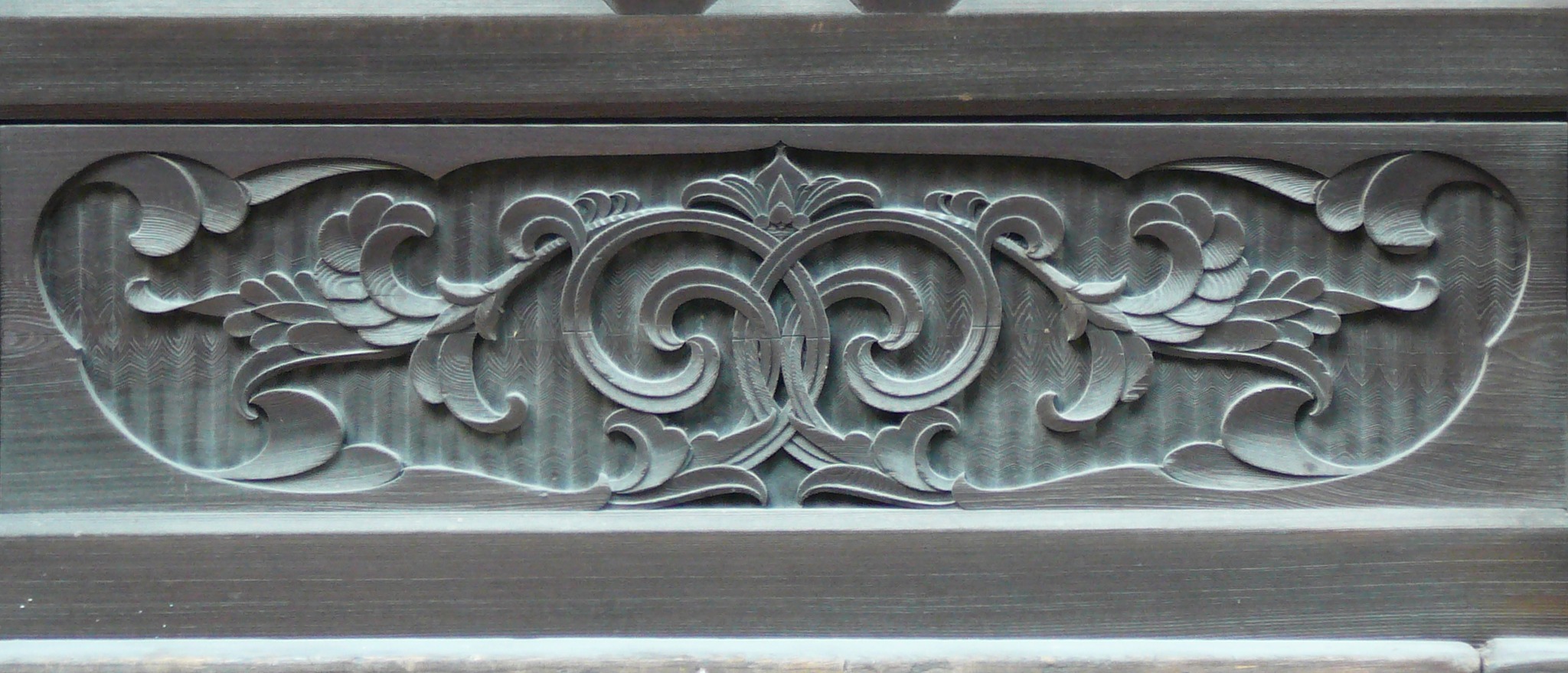
Caring for Your Hand-Carved Wooden Sculpture Thank you for welcoming a hand-carved wooden sculpture into your collection. Unlike synthetic materials, wood is a living material that continues to respond to its environment even after it has been transformed into a work of art. Its subtle changes over time are part of its beauty and character. For centuries, traditional Japanese wooden sculptures have been preserved in temples, shrines, and private collections through careful attention to light, humidity, and handling. By treating your artwork with similar care, it can be enjoyed and passed down for generations. ━━━━━━━━━━━━━━━━━━ Wood naturally absorbs and releases moisture in response to changes in humidity. Even after many years of careful drying, natural movement cannot be completely prevented. Small cracks, separations, or slight changes in shape may occur over time. This is a natural characteristic of solid wood and should not be regarded as a defect. Such changes are common among solid wood artworks and are often regarded as evidence of the material's authenticity and natural character. To help preserve the sculpture, please avoid displaying it in locations exposed to: • Direct sunlight Prolonged exposure to heat, dry air, or unstable humidity may contribute to cracking, warping, separation of wooden components, discoloration, or other natural changes. During dry seasons, small cracks may become more visible. In more humid conditions, these cracks may become less noticeable as the wood naturally reabsorbs moisture. This movement is part of the living nature of wood. ━━━━━━━━━━━━━━━━━━ Before displaying a wall-mounted sculpture, please ensure that the wall and mounting hardware are capable of safely supporting the artwork's weight. Avoid installing heavy sculptures on drywall, plasterboard, hollow walls, or other insufficient structures without appropriate reinforcement. For regions prone to earthquakes, vibration, or strong environmental movement, additional safety measures are strongly recommended to help prevent accidental falls. Heavy artworks should not be installed above beds, cribs, seating areas, or locations where people regularly remain underneath. If you are uncertain about installation requirements, consulting a qualified professional installer is strongly advised. Ultimately, the owner is responsible for selecting appropriate mounting hardware and ensuring safe installation and ongoing maintenance. ━━━━━━━━━━━━━━━━━━ Dust may be removed using a soft, dry cloth or a soft brush. Please avoid using: • Water These products may damage the wood, lacquer finish, or natural surface patina. ━━━━━━━━━━━━━━━━━━ Many traditional Japanese sculptures incorporate natural lacquer finishes such as Fuki-urushi (wiped lacquer). Fuki-urushi is a traditional Japanese finishing technique in which natural lacquer is repeatedly wiped into the wood, enhancing both durability and depth of appearance. Over time, lacquer develops a richer depth and luster, enhancing the beauty of the artwork. Because lacquer is a natural material, alcohol-based products, solvents, and chemical cleaners should never be used on the surface. Some artworks may incorporate traditional Japanese lacquer (Urushi). The lacquer used on our artworks has been fully cured prior to shipment and is considered safe for normal handling. However, individuals with extreme sensitivity or allergies to lacquer should exercise appropriate caution. ━━━━━━━━━━━━━━━━━━ When moving the sculpture, always support it from its strongest structural areas. Please avoid lifting the artwork by delicate carved elements such as fingers, robes, ornaments, lotus petals, halos, or other projecting details. Whenever possible: • Lift with both hands The original packing materials provide the safest method for moving or storing the sculpture. ━━━━━━━━━━━━━━━━━━ If the sculpture will not be displayed for an extended period, proper storage is essential. We recommend: • Wrapping the artwork in a breathable cloth • Avoiding sealed plastic bags or airtight coverings • Keeping the artwork elevated from the floor • Storing it in a stable indoor environment For long-term preservation, the traditional Japanese Kiribako (Paulownia wood storage box) has long been regarded as the preferred method for preserving valuable Japanese artworks. For those interested in learning more about the traditional Japanese Kiribako and its role in protecting fine artworks, please read our article: "Kiribako: The Traditional Guardian of Japanese Art" ━━━━━━━━━━━━━━━━━━ Every piece of wood possesses unique grain patterns, color variations, knots, and other natural characteristics. These features are not imperfections but part of the individuality and beauty of the material itself. Over time, the wood and finish will develop a richer patina, deepening the sculpture's character and enhancing its presence. Natural variations in wood grain, color, texture, aging, and minor movement or cracking of the wood are inherent characteristics of natural materials and should be appreciated as part of the artwork's unique character and beauty. Such natural changes are not considered defects. For information regarding returns, exchanges, limitations of liability, and other legal matters, please refer to our separate Terms of Sale, Safety Notice & Disclaimer. "Terms of Sale, Safety Notice & Disclaimer" Wood is a living material that continues to mature over time. Subtle changes resulting from natural aging are regarded as part of the artwork's evolving character. In Japan, wooden sculptures have been preserved and passed down for centuries through careful stewardship. We hope this work will become part of your family's story and be treasured for generations to come.
A Living Material
Environment & Humidity
• Air conditioners
• Heaters or fireplaces
• Strong airflow from ventilation systems
• Extremely dry environments
• Excessively humid environmentsHanging & Installation

Cleaning

• Alcohol
• Chemical cleaners
• Furniture polishAbout the Lacquer Finish
Transportation & Relocation

• Avoid impacts or sudden movements
• Retain the original packaging materials for future transportLong-Term Storage

The Character of Natural Wood