Blog
2026/06/22 11:21
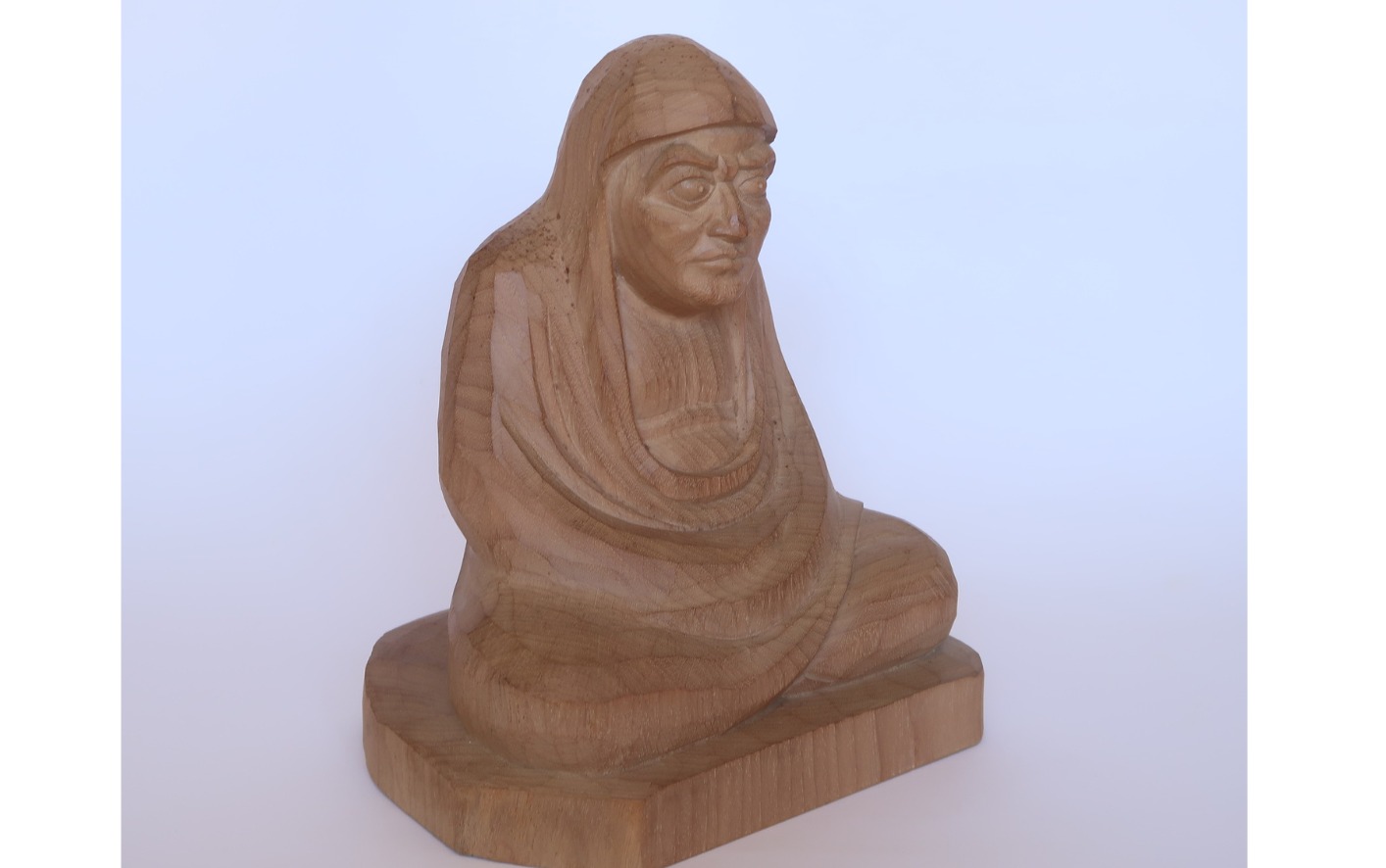
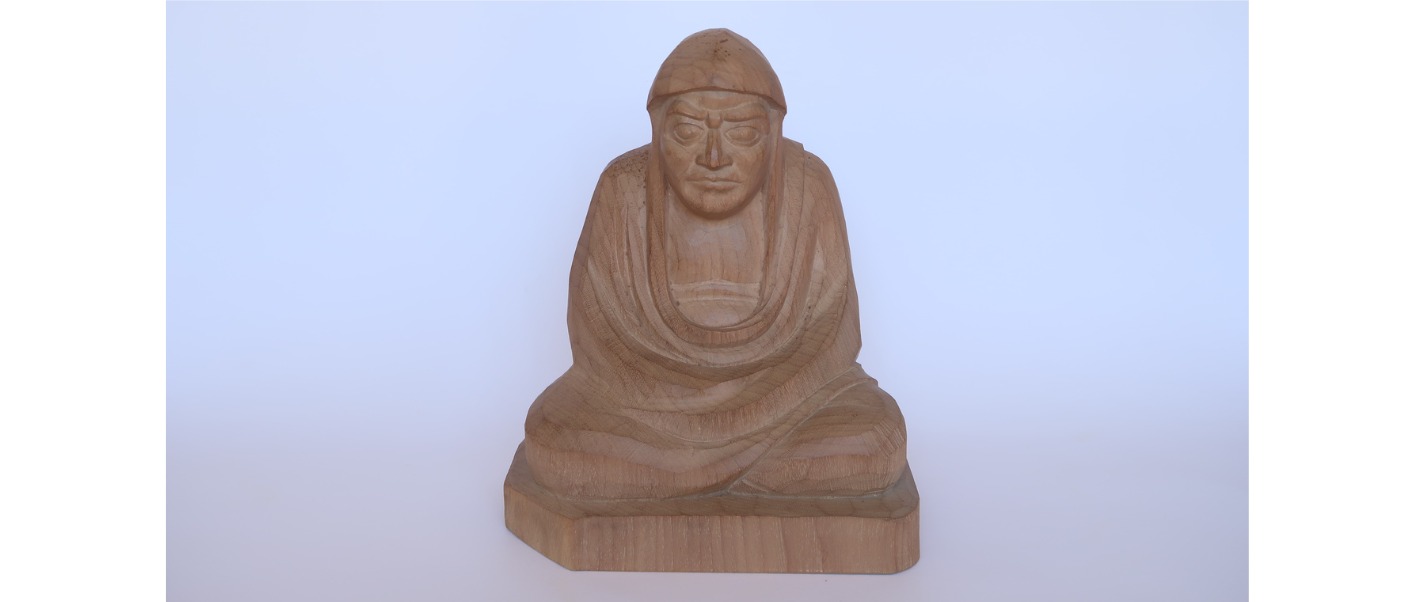
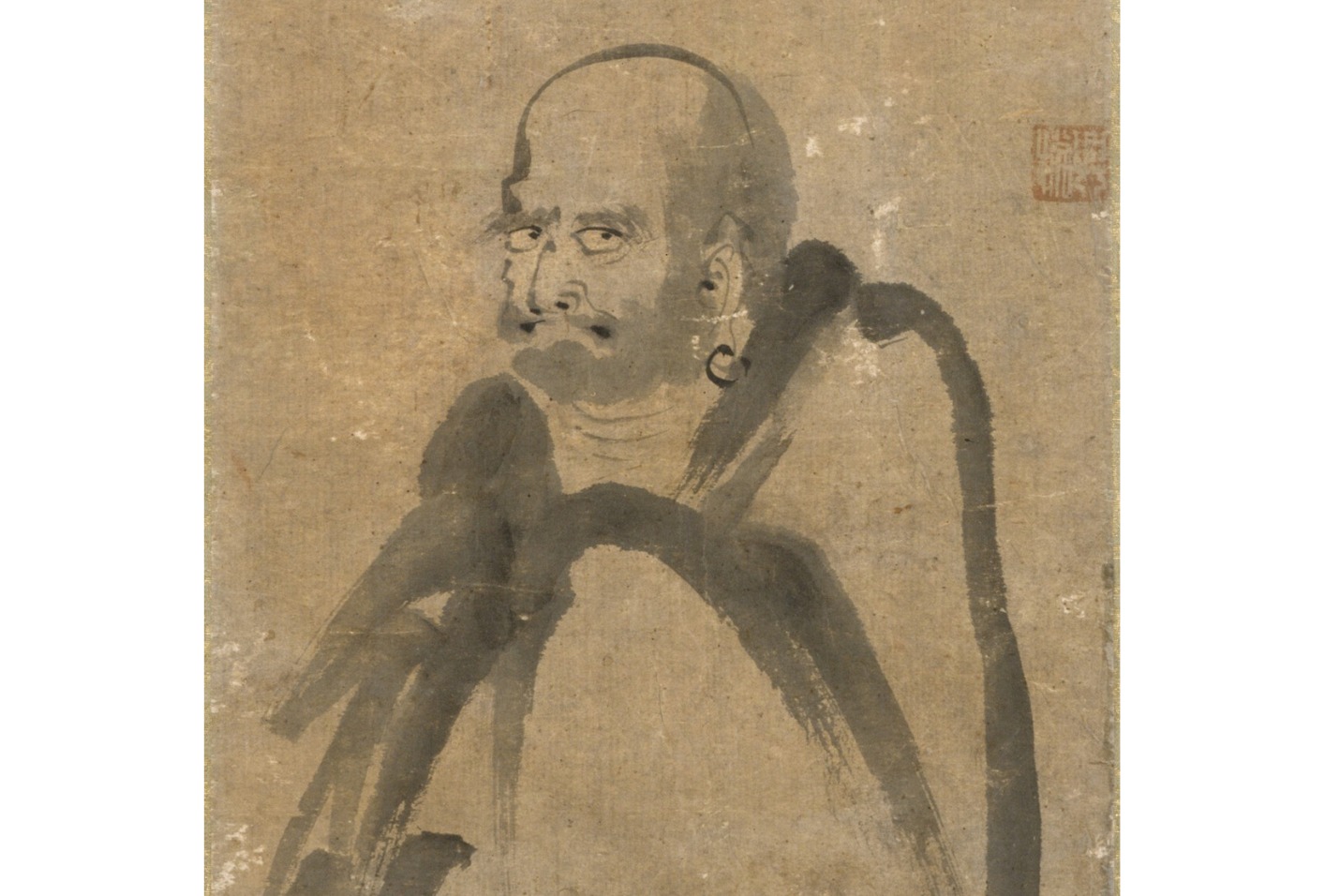
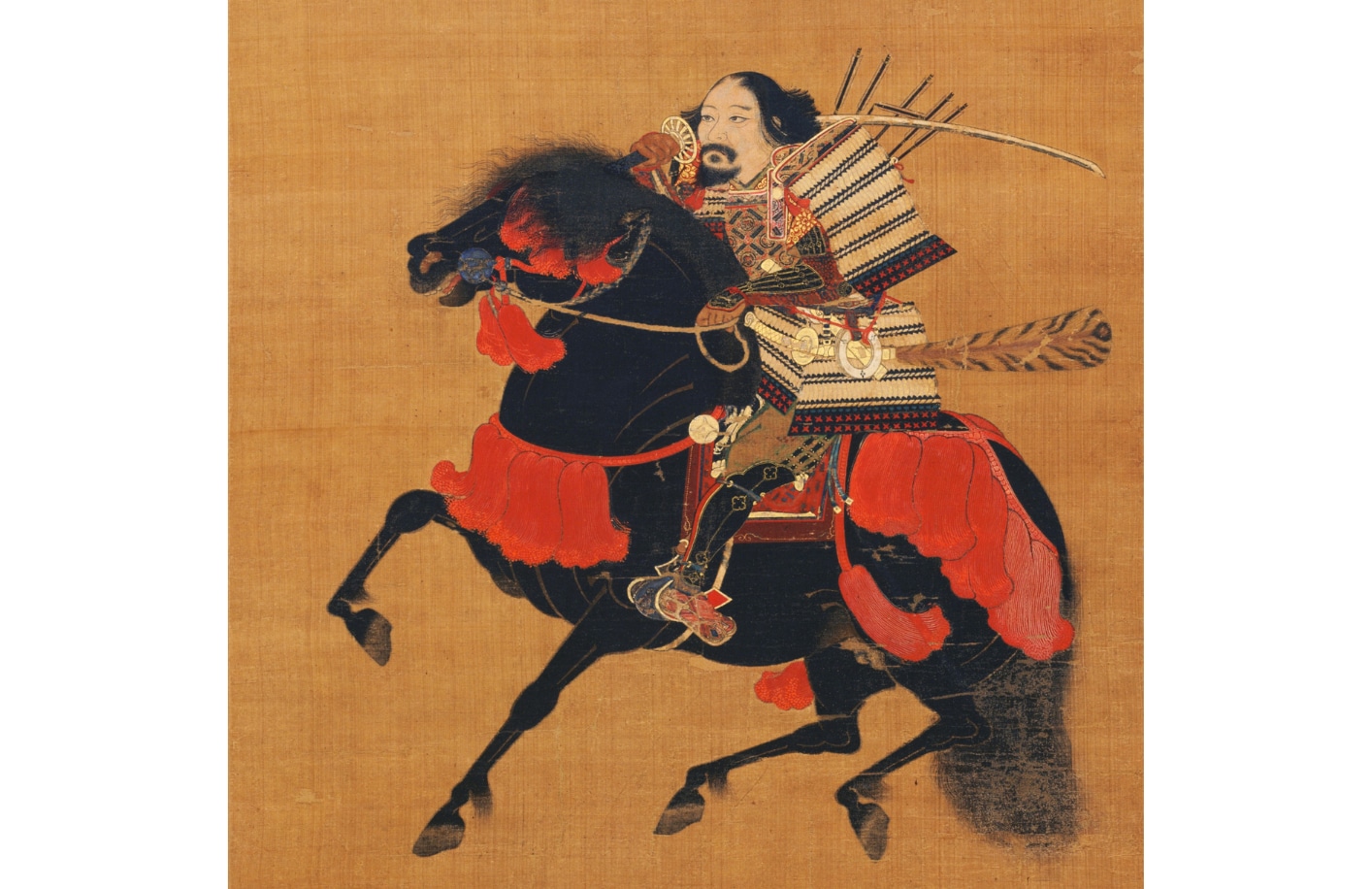
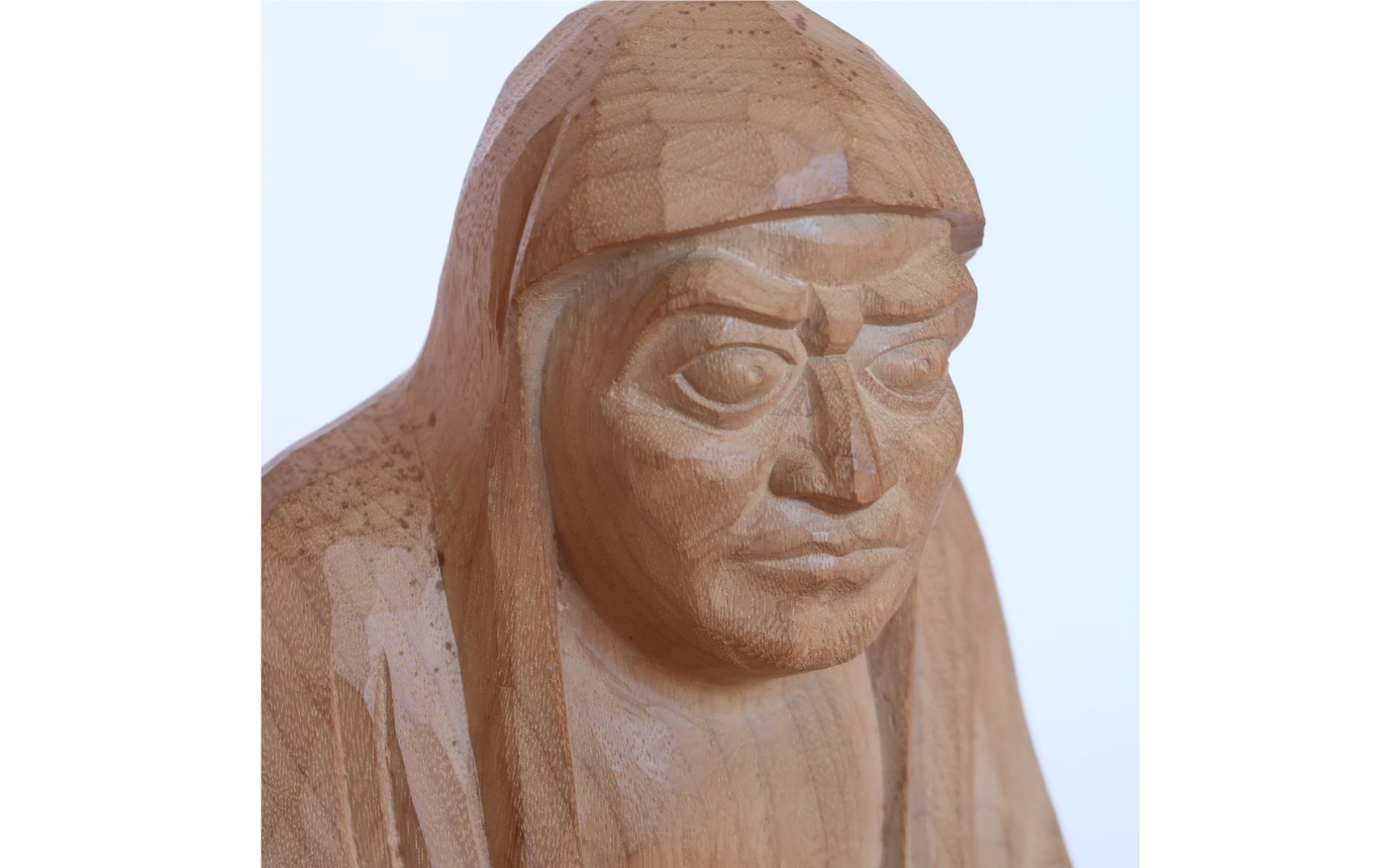
When Japanese people hear the word “Daruma,” many immediately imagine the familiar round red Daruma doll. Daruma dolls can be found throughout Japan as symbols of business success, academic achievement, new beginnings, and good fortune. Many people have seen politicians painting one eye on a Daruma doll after winning an election. Others know the custom of painting one eye when making a wish and the other after the wish has been fulfilled. Daruma is loved in Japan not only as a symbol of perseverance, but also for the doll’s charming shape, vivid red color, friendly expression, and association with good fortune. Because of these qualities, Daruma has become part of everyday Japanese life. Yet surprisingly, many people know little about the historical figure behind the doll. Who was Daruma? Why has his image continued to inspire people for more than a thousand years? The familiar red Daruma doll is one of Japan's most popular symbols of perseverance and good fortune. One important fact may surprise many readers. Daruma Daishi never came to Japan. Daruma, known outside Japan as Bodhidharma, is believed to have been an Indian Buddhist monk who lived around the 5th or 6th century. According to tradition, he later traveled to China, where he became associated with the origins of Chan Buddhism, the tradition that would eventually develop into Zen Buddhism in Japan. In other words, the Daruma known and loved by Japanese people was not a person who lived in Japan. Rather, his teachings, legends, and spiritual image crossed the sea and became deeply rooted in Japanese culture. Although he was neither Japanese nor ever visited Japan, few historical figures have become so familiar and beloved within Japanese culture. Daruma is often called the founder of Zen. Strictly speaking, he did not create a new religion. Rather, he is remembered as a monk who emphasized meditation and direct spiritual practice within the Buddhist tradition. Zen places great importance on personal experience. It does not rely solely on written scriptures or intellectual knowledge. One famous Zen phrase is: “Furyu Monji” Often translated as “not relying on words and letters.” The idea is that truth cannot be fully understood only through books or explanations. It must be experienced directly. For this reason, Zen values direct practice through meditation, self-discipline, and honest self-reflection. This spirit became one of the defining features of Zen, and Daruma came to symbolize that uncompromising path. The most famous legend about Daruma is called “Nine Years Facing a Wall.” According to tradition, Daruma sat in meditation inside a cave, facing a wall, for nine years. Whether this story is historical fact or symbolic legend remains uncertain. Yet the reason it has endured for centuries is clear. It expresses the power of patience, discipline, and unwavering commitment. To accomplish something meaningful, one must continue even when results are not yet visible. One must remain focused even when the path is difficult. This is why Daruma became a symbol of perseverance. In Japan, this spirit is often expressed through the phrase: “Fall seven times, stand up eight.” The Daruma doll itself reflects this idea. Its rounded shape allows it to rise again whenever it is pushed over. It is not a symbol of never falling. It is a symbol of always getting back up. Daruma never came to Japan. Yet the Zen tradition associated with him later had a profound influence on Japan’s warrior class. From the Kamakura period onward, Zen spread among the samurai. There was a reason for this. Samurai lived close to death. On the battlefield, hesitation could be fatal. Fear could destroy judgment. A disturbed mind could mean defeat. Zen offered a form of spiritual training that suited the warrior’s way of life. Through seated meditation, one could calm distracting thoughts. Through discipline, one could cultivate composure. Through practice, one could learn to face life and death with clarity. Zen did not emphasize scholarly study alone. It emphasized direct experience. This practical nature resonated strongly with the samurai spirit. Over time, Zen influenced many areas of Japanese culture. The tea ceremony. Ink painting. Dry landscape gardens. The aesthetics of simplicity. And even the spiritual foundations of the samurai way. Behind these traditions, we can still sense the spirit of Zen that traces back to Daruma. Daruma became one of the most beloved subjects in Japanese art. Zen monks painted him. Ink painters portrayed him. Artists of the Edo period reimagined him in countless ways. Unlike Kannon Bodhisattva, Daruma is not usually depicted with graceful beauty. His stern face, intense gaze, and powerful presence are balanced by a surprisingly human quality—at times severe, humorous, mysterious, or even warm. This is why artists continued to return to Daruma as a subject. He was not only a religious figure. He was also a symbol of human strength, discipline, imperfection, and endurance. Daruma has also been an important subject in Japanese woodcarving. Wood possesses a unique warmth. Unlike stone or metal, it carries a sense of life. Its grain, color, and texture become part of the sculpture itself. In hand-carved work, the marks of the artisan remain visible. The cuts of the chisel. The movement of the hand. The subtle unevenness of the surface. These details give a wooden Daruma sculpture a living presence. The strength of Daruma is not expressed only through his face. It is also expressed through the material itself. Through the weight of the wood. Through the silence of the form. And through the accumulated skill of the craftsman. A hand-carved Daruma is therefore very different from a mass-produced lucky doll. It does not merely represent good fortune. It represents the deeper spiritual figure behind the tradition. Modern life has become increasingly convenient. But it has also become increasingly distracting. Information never stops flowing. Messages arrive constantly. Many people find it difficult to remain focused, calm, and committed to long-term goals. In such an age, Daruma takes on renewed meaning. He reminds us to stay focused, continue despite slow progress, rise after failure, and remain steady in a restless world. Daruma is not only a Buddhist figure. Nor is he merely a Japanese lucky charm. He represents a universal human strength—the strength to endure, to practice, and to begin again. That may be why his image continues to resonate across countries, cultures, and generations. The sculpture featured here does not depict the familiar red Daruma doll. It portrays Daruma Daishi himself—the legendary monk behind the tradition. More than a symbol of luck, it is a carved expression of discipline, concentration, and inner strength, conveyed through its serious expression and quiet presence. All of these qualities point back to the deeper meaning of Daruma. For more than a thousand years, Daruma has been remembered as a figure of unwavering determination. He reminds us that true strength is not loud. It is steady. It is patient. It continues. The Daruma Daishi sculpture featured in this article was hand-carved by Tessō Mori of Mori Carving Studio. Discover the artwork and the story behind it below. View the Artwork →Daruma Daishi
The Man Behind Japan’s Famous Daruma Dolls

Daruma Never Came to Japan
Daruma as the Founder of Zen
The Legend of Nine Years Facing a Wall
Why Samurai Valued Zen

Daruma in Japanese Art
Daruma in Woodcarving
What Daruma Means Today
A Hand-Carved Daruma Daishi Sculpture